"We were particularly interested in the roles of social interactions and organizational culture, which are difficult to measure using common research approaches like surveys," said Leslie A. Curry, research scientist at the Yale Global Health Leadership Institute and lead author on the paper.
Hospitals in the high- and low-performing groups differed substantially in five ways: organizational values and goals, senior management involvement, broad staff presence and expertise in AMI care, communication and coordination, and problem solving.
Curry says that achieving high performance may require long-term investment and concerted efforts to create an organizational culture that supports full engagement in quality, strong communication and coordination among groups, and capacity for problem solving and learning across the organization.

Heart Attack - Overview
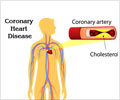
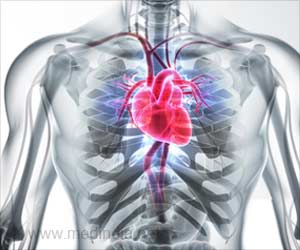
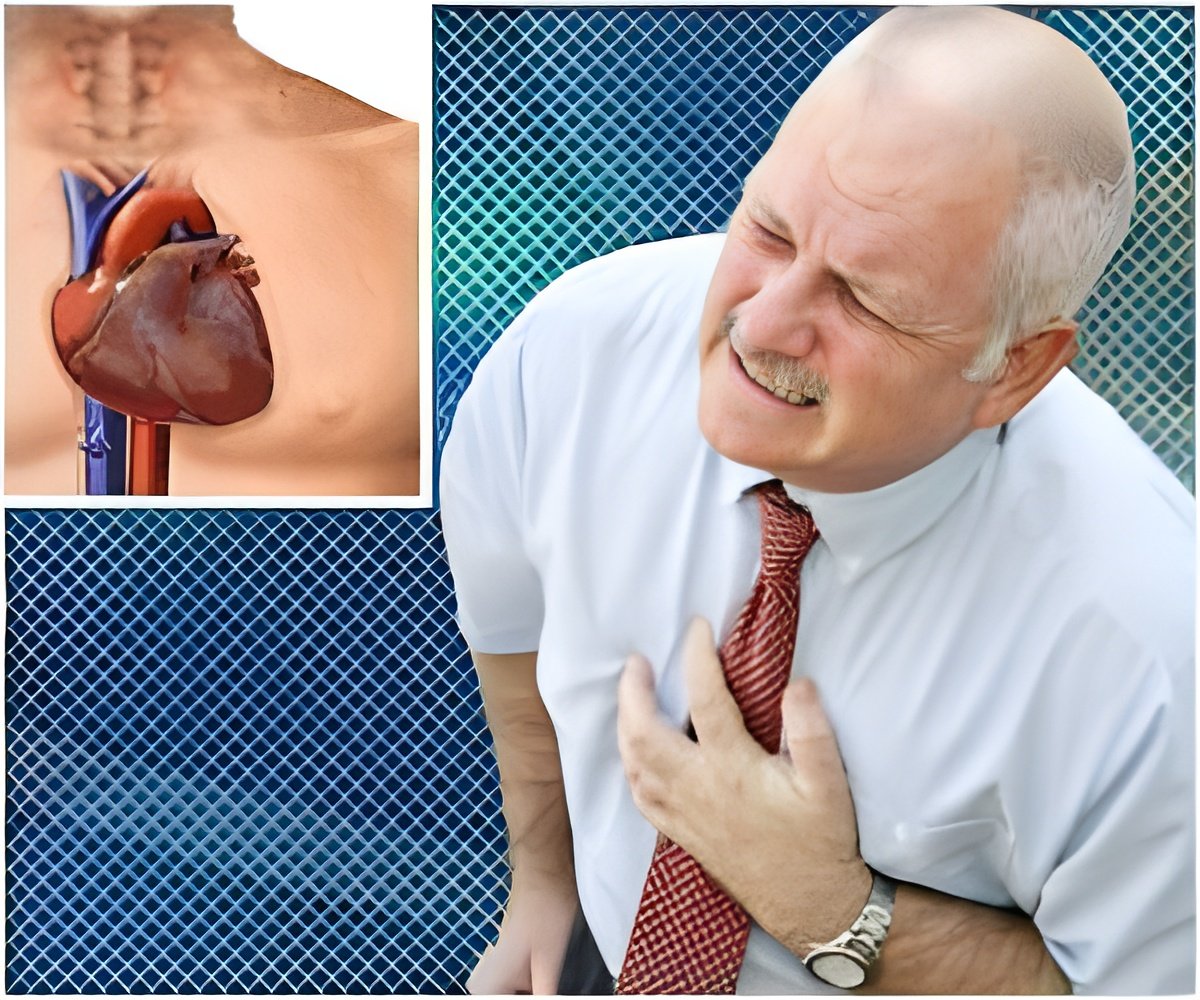
Heart attack is the death of the heart muscle due to loss of blood supply. Heart disease is the leading cause of death in the United States. Other names for heart attack include acute myocardial infarction, coronary thrombosis, and coronary occlusion.
Heart attack is the death of the heart muscle due to loss of blood supply. Heart disease is the leading cause of death in the United States. Other names for heart attack include acute myocardial infarction, coronary thrombosis, and coronary occlusion.
Source-ANI

What is a heart attack / How to prevent heart attacks
Heart attack is the death of the heart muscle due to loss of blood supply. Simple guidelines to avoid heart attack are listed.
Heart attack is the death of the heart muscle due to loss of blood supply. Simple guidelines to avoid heart attack are listed.