Vitamin D Deficiency - Causes, Symptoms, Diagnosis, Treatment
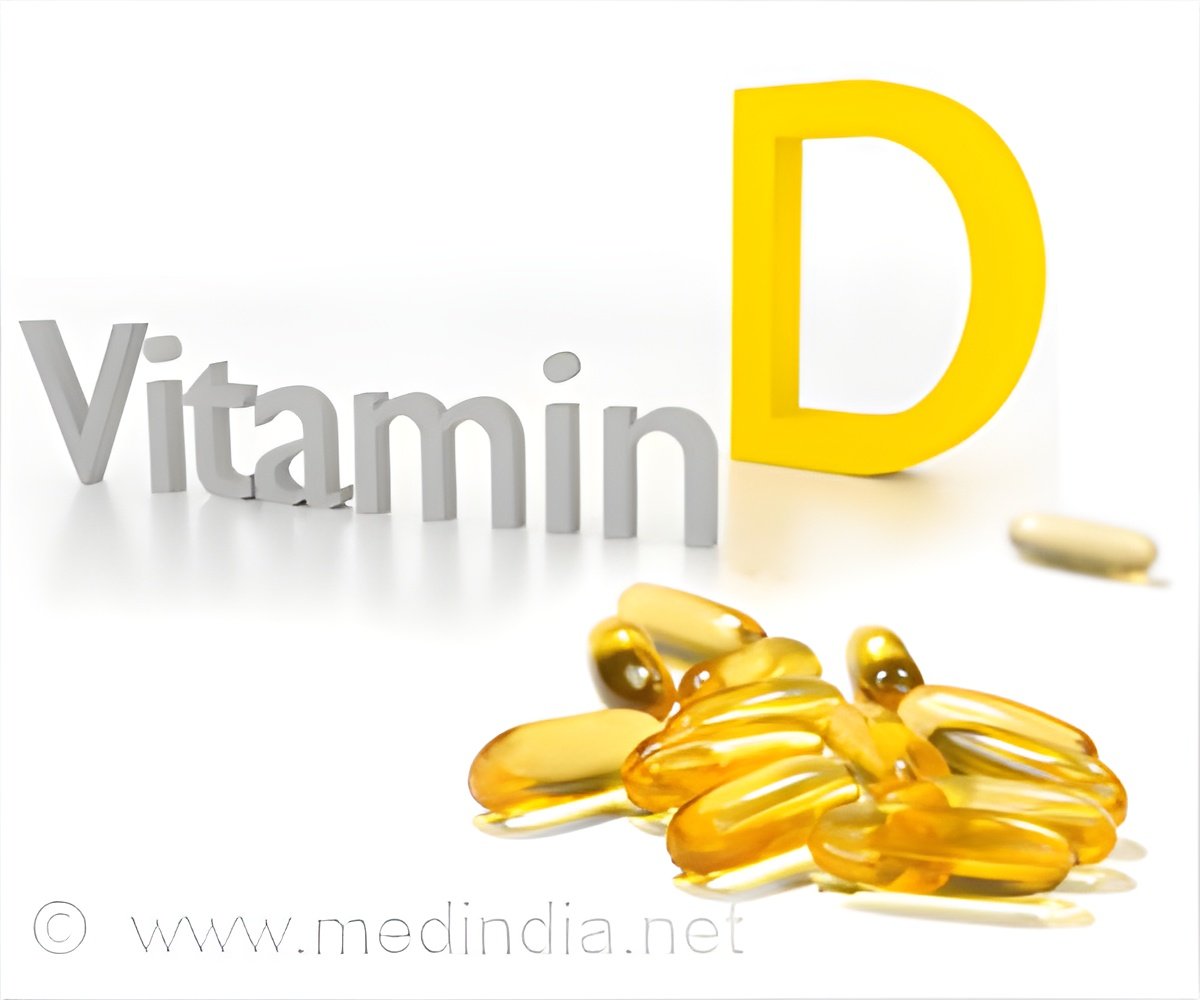
Vitamin D the sunshine vitamin is essential for strong bones. Vitamin D deficiency is reportedly increasing worldwide and cause bone pain and muscle weakness.
Vitamin D the sunshine vitamin is essential for strong bones. Vitamin D deficiency is reportedly increasing worldwide and cause bone pain and muscle weakness.
‘A deficiency of vitamin D is a common risk factor for worse outcomes in critically ill patients.
’
Tweet it Now
For this study, Ginde and Daniel Talmor, MD, MPH, chair of the Department of Anesthesia, Critical Care & Pain Medicine at Beth Israel Deaconess Medical Center in Boston, served as co-chairs of the protocol committee for the National Heart, Lung and Blood Institute (NHLBI) PETAL Network."The VIOLET study did not show benefit from vitamin D supplementation in this population of critically ill patients," said Ginde. "However, the study gives us a model to intervene in the earliest stage of critical illness, which will yield improved care and better health for our patients in the future."
In this case, the researchers sought to determine whether vitamin D supplementation could reduce morbidity and mortality in critically ill patients. While vitamin D is most known for strong bone formation, it also helps to fight infections, is a potent anti-inflammatory agent, and is essential for lung development and function.

Fish Oil, Vitamin D can Reduce Cancer, Heart Attack Risk
Taking vitamin D & fish oil supplements can prevent cancer and heart attacks, reveals a new study.
Taking vitamin D & fish oil supplements can prevent cancer and heart attacks, reveals a new study.
In this study, the NHLBI PETAL Network conducted a controlled study of patients who needed admission into intensive care units. Among those cases, patients had pneumonia, sepsis, shock, respiratory failure, and other critical conditions.
Advertisement

Fortifying Wheat Flour with Vitamin D Prevents 10 Million New Cases of Deficiency
Fortification and supplementation to target groups could prevent the incidence of new cases of Vitamin D deficiency.
Fortification and supplementation to target groups could prevent the incidence of new cases of Vitamin D deficiency.
From April 2017 through July 2018, 2,624 patients at 44 hospitals consented to participate in the study. Of those, 1,360 screened as vitamin D deficient, and ultimately 1,078 were included in the final analysis. About half received vitamin D, and half received a placebo, and the vitamin D group achieved rapid correction of vitamin D deficiency in the blood. Patients were followed for 90 days, and researchers found no difference in mortality rates, hospital length of stay, or time on mechanical ventilation between the two groups.
Advertisement

Vitamin D Supplementation can Slow Progression of Early Diabetes
High dose vitamin D supplementation can slow down the progression of prediabetes as well as newly diagnosed type 2 diabetes by improving the metabolism of glucose.
High dose vitamin D supplementation can slow down the progression of prediabetes as well as newly diagnosed type 2 diabetes by improving the metabolism of glucose.
Source-Eurekalert