
Response to Stimulus Different from Cell to Cell
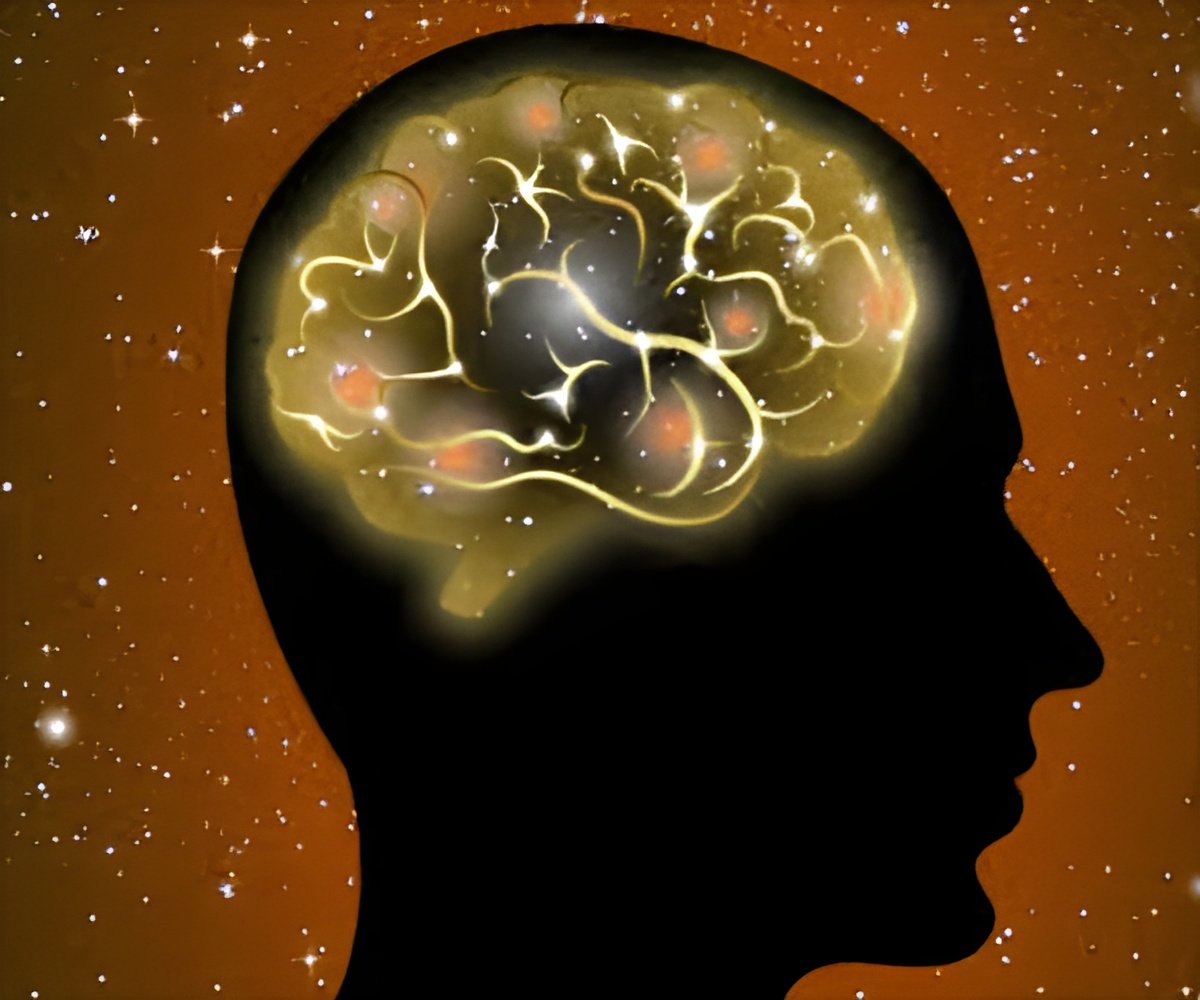
Contrary to what was once believed, there is a difference in the way each cell responds to stimulus, concludes a recent study.
Contrary to what was once believed, there is a difference in the way each cell responds to stimulus, concludes a recent study.
‘Astrocytes cannot send electrical signals like neurons can, they generated their own chemical signals in a coordinated way during intense stimuli’
Tweet it Now
The spinal cord is crucial for sensing and responding to the world. Sometimes it even works independently from the brain, such as when your hand recoils from a hot stove before the sensation has fully registered. But it is unknown exactly how the cells within the spinal cord encode these and other feelings from the skin or internal organs. In the new study, senior author Axel Nimmerjahn, an assistant professor in Salk's Waitt Advanced Biophotonics Center, and his team improved upon the miniaturized microscopes they first described back in 2008. The researchers' new version--which features numerous hardware and software improvements--enabled them to visualize changes in cellular activity in awake, roaming mice.
"For a long time, researchers have dreamed of being able to record cellular activity patterns in the spinal cord of an awake animal. On top of that, we can now do this in a freely behaving animal, which is very exciting," says first author Kohei Sekiguchi, a Salk researcher and PhD student at the University of California, San Diego.
Maintenance of Spinal Mobility Improves Lung Function in Ankylosing Spondylitis
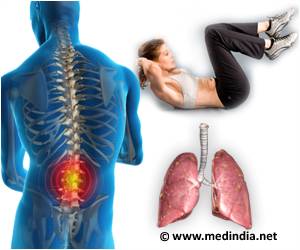
Maintenance of spinal mobility may improve lung function in patients with ankylosing spondylitis. Ankylosing spondylitis is a chronic inflammation of joints of the spine.
Maintenance of spinal mobility may improve lung function in patients with ankylosing spondylitis. Ankylosing spondylitis is a chronic inflammation of joints of the spine.
To the team's surprise, astrocytes, traditionally thought to be passive support cells, also respond to stimuli (albeit differently than the neurons). Though the astrocytes cannot send electrical signals like neurons can, they generated their own chemical signals in a coordinated way during intense stimuli.
Advertisement

Neural Code of the Brain Decoded by Researchers
The brain cells were activated and their responses were measured using flashes of light. This is a new approach to read the signals of the brain.
The brain cells were activated and their responses were measured using flashes of light. This is a new approach to read the signals of the brain.
"Not only can we now study normal sensory processing, but we can also look at disease contexts like spinal cord injury and how treatments actually affect the cells," says Nimmerjahn.
Advertisement
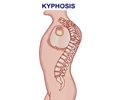
About Kyphosis
Kyphosis is a spinal disorder, which is derived from Greek word – 'kyphos' which means bowed or bent. Spinal curve of the backbone in the upper back causes bowing of the backbone. It also affects the lower back.
Kyphosis is a spinal disorder, which is derived from Greek word – 'kyphos' which means bowed or bent. Spinal curve of the backbone in the upper back causes bowing of the backbone. It also affects the lower back.
Source-Eurekalert