
Five Tips to Improve Survival Following a Heart Attack
Research shows that factors like invasive coronary strategy, aspirin and beta blockers increase survival risk after a heart attack on studying 389,057 patients.
Research shows that factors like invasive coronary strategy, aspirin and beta blockers increase survival risk after a heart attack on studying 389,057 patients.
‘Your heart cells can respond well to heart attack. A new study suggests that cells adjacent to injured areas within the heart can sense the damage and ensure immediate survival and could be exploited to increase the long term recovery of the heart.’
Read More..Tweet it Now
Additional research on these cells, and on similar cells in animals in which the heart does completely recover after a heart attack, may lead to new treatments for patients with heart damage in the future. Read More..
Heart Attack
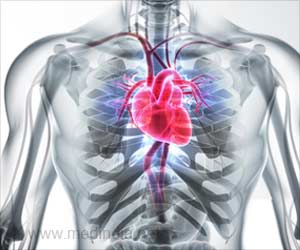
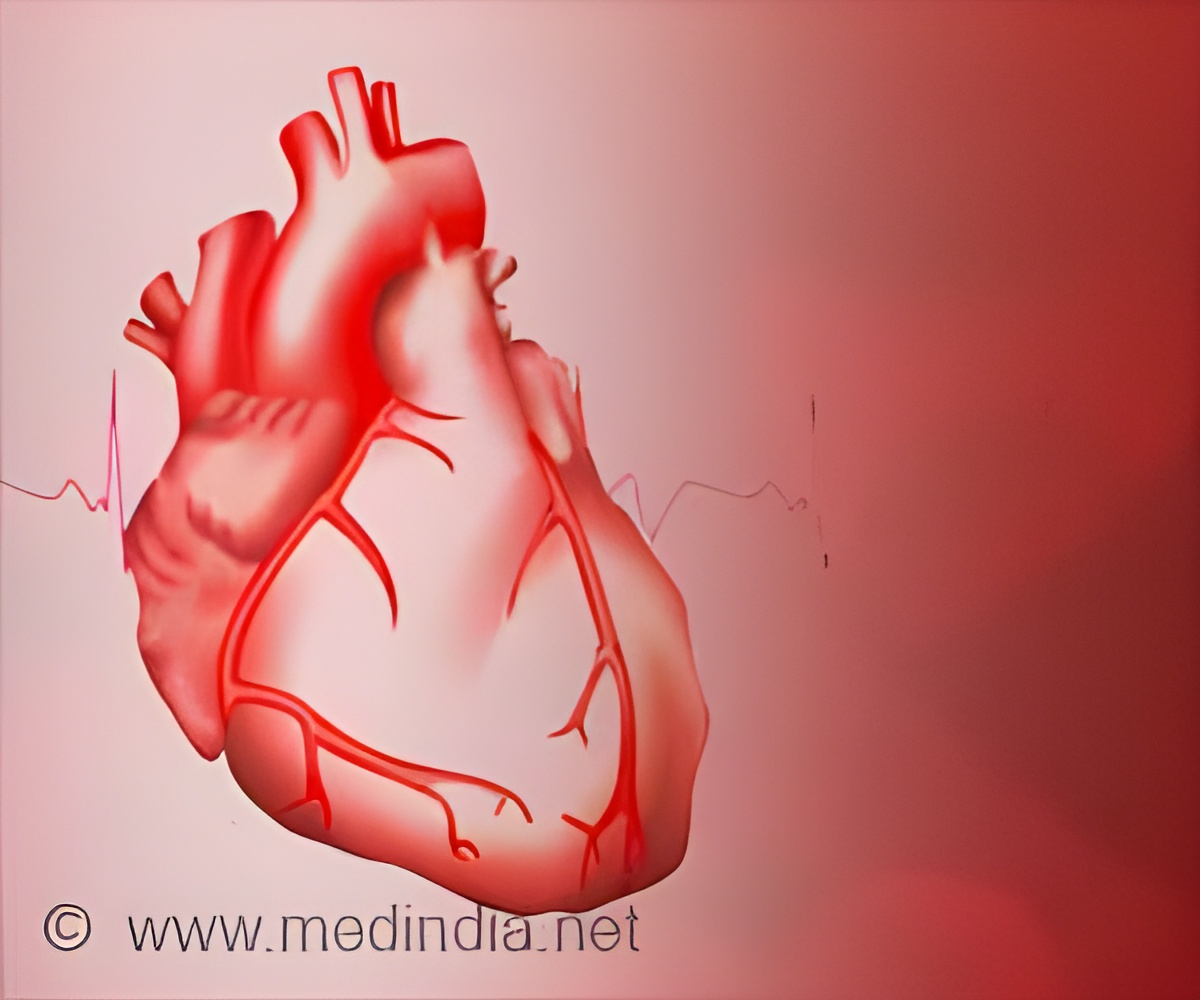
Cardiovascular diseases (CVDs) remain the main cause of death in the Western world. After a heart attack, scar tissue replaces the lost heart muscle. Because of this, the damage to the heart is permanent and patients are considered to have chronic heart disease.

Calculate Your Lifetime Risk of Heart Attack
Heart Risk Calculator assesses the lifetime risk for a heart attack and helps in making the right lifestyle choices to protect your heart.
Heart Risk Calculator assesses the lifetime risk for a heart attack and helps in making the right lifestyle choices to protect your heart.
Important Gene
Advertisement

Quiz on Heart Attack
The risk factors that work behind the scene before a heart attack are familiar to many. But do you realize the extent to which your lifestyle choices are putting your life at risk? Can you identify a heart attack when it occurs? Take our quiz and find out.
The risk factors that work behind the scene before a heart attack are familiar to many. But do you realize the extent to which your lifestyle choices are putting your life at risk? Can you identify a heart attack when it occurs? Take our quiz and find out.
The research team discovered that this program is incredibly important for surviving a heart attack. When they turned off one of the genes in this program, called NPPB, in mice with a heart attack, the chance of survival became much smaller.
Advertisement

Exercise Could Enhance Heart Attack Survival
A recent study from the European Society of Cardiology found exercise to be associated with improvement in heart attack survival.
A recent study from the European Society of Cardiology found exercise to be associated with improvement in heart attack survival.
By studying heart tissue of patients that had a heart attack, the researchers also identified a border zone in humans. This border zone turns out to respond in a similar way to a heart attack as the border zone in mice. However, the human border zone turned out to be located in a different area than doctors had thought until now.
Dream for the Future
"Now that we know that humans also develop a border zone after a heart attack, we can start to investigate why the heart of humans and mice does not recover after a heart attack, while the hearts of some other animals do," explains Dennis de Bakker, researcher in the group of Jeroen Bakkers (Hubrecht Institute). We may eventually be able to activate cells in the border zone to start growing back the lost heart tissue, in order to restore the heart after a heart attack. "For now, however, this remains a dream for the future," according to De Bakker.
Source-Eurekalert