
Diseases Related to Old Age
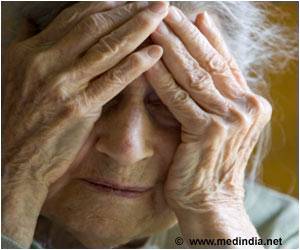
Ageing is referred to the accumulation of changes that brings a person closer to death.
Ageing is referred to the accumulation of changes that brings a person closer to death.
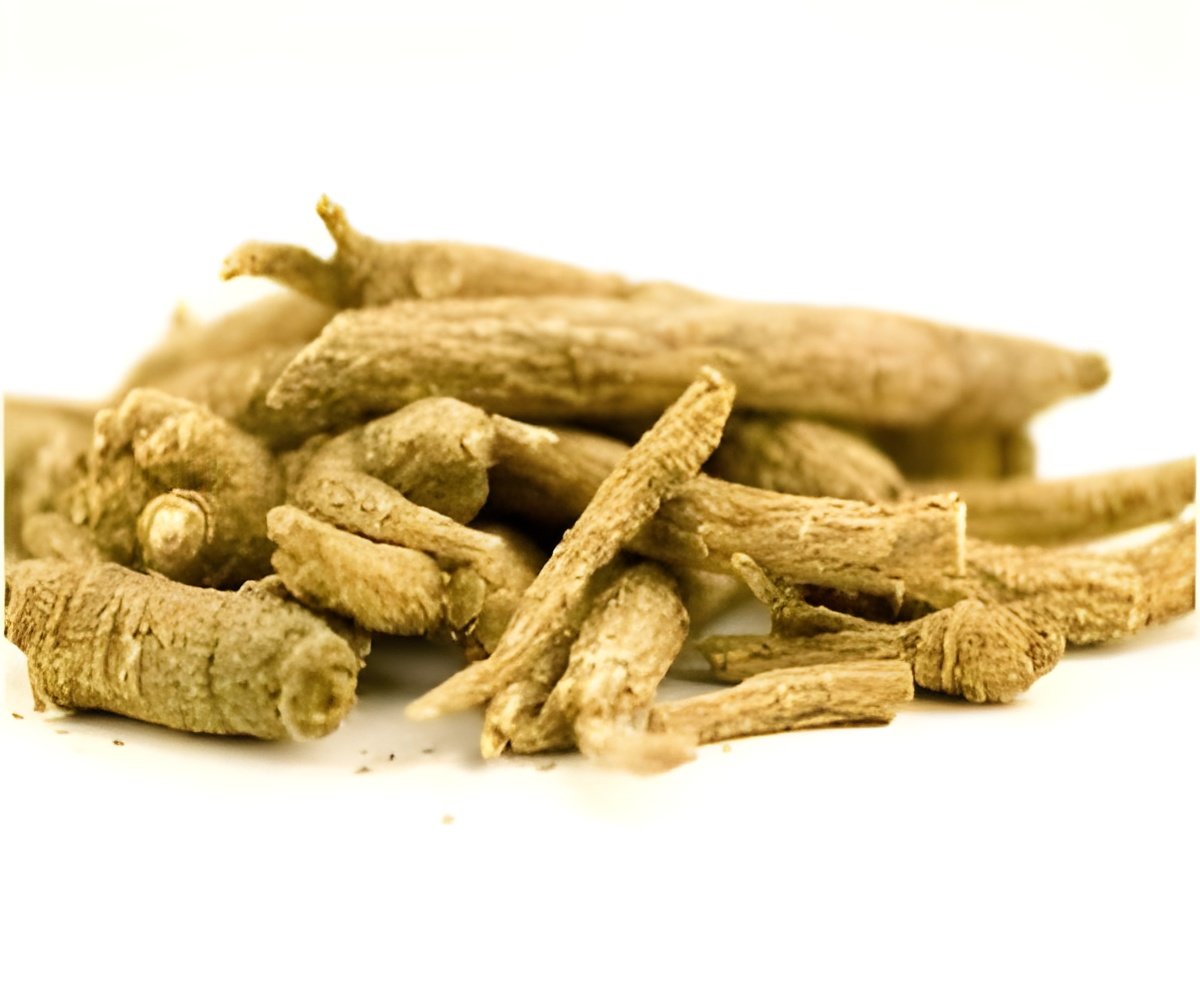
‘Ginseng is an Asian plant used in traditional medicine, where it is used as a tonic.
’
Tweet it Now
New research has now identified a natural substance called rhizolutin that may provide a foundation for treating novel Alzheimer's disease. Rhizolutin is produced by a Streptomyces strain that originates in the root zone of ginseng plants.Screening of natural product libraries showed that rhizolutin is a drug lead that could dissociate tau tangles (fiber-like aggregates of tau proteins) and amyloid-β (Aβ) plaques, both of which are common hallmarks of Alzheimer's disease. Such deposits form when amyloid-β proteins fold wrongly to form β-sheets, which can aggregate to form insoluble plaques and fibers. These lead to nerve cells' death, nerve inflammation, brain atrophy, and the cognitive losses these entails. No efficient treatment for Alzheimer's disease has been found.
The team demonstrated, through a variety of in vitro and in vivo experiments, that rhizolutin leads to clear dissociation of tau and insoluble Aβ aggregates. In neuronal and glial cells culture, rhizolutin markedly reduced the inflammatory processes and cell death caused by Aβ. Rhizolutin can significantly dissociate the Aβ plaques present in mice's brains with Alzheimer's.

Alzheimer’s disease - Causes, Symptoms, Diagnosis, Stages, Types, Prevention, Prognosis & Treatment
Alzheimer's disease is a progressive neurodegenerative disease affecting memory and thinking and making the person increasingly dependent on others.
Alzheimer's disease is a progressive neurodegenerative disease affecting memory and thinking and making the person increasingly dependent on others.
Source-Medindia

Diet and Alzheimer's Disease
Alzheimer's begins with forgetfulness, but over time affects speech and coordination along with drastic behavioral changes. The right diet may lower your risk by 40%. So isn't a diet change worth it?
Alzheimer's begins with forgetfulness, but over time affects speech and coordination along with drastic behavioral changes. The right diet may lower your risk by 40%. So isn't a diet change worth it?

Genetics of Alzheimer’s disease
There are numerous genes that have been discovered that are associated with Alzheimer’s disease and indicate increased risk, aiding genetic counseling and better care.
There are numerous genes that have been discovered that are associated with Alzheimer’s disease and indicate increased risk, aiding genetic counseling and better care.