
Adult to Child Living Donor Liver Transplantation
Adult to child liver transplantation refers to removing a small segment of liver from an adult and transplanting this segment into a child.
Adult to child liver transplantation refers to removing a small segment of liver from an adult and transplanting this segment into a child.
‘Liver toxicity has caused a number of drug failures over the years.’
Tweet it Now
"So far we have had no reliable way of determining in advance whether a medication that usually works well in most people might cause liver injury among a few," says Jorge Bezerra, MD, Director, Division of Gastroenterology, Hepatology and Nutrition at Cincinnati Children's.
"That has caused a number of promising medications to fail during clinical trials, and in rare cases, also can cause serious injury from approved medications. If we could predict which individuals would be most at-risk, we could prescribe more medications with more confidence," says Bezerra, who was not involved with the study.
Now that reliable test might be just around the corner.
Alcoholic Liver Disease - Causes Symptoms Diagnosis Treatment FAQs
Encyclopedia section of medindia gives general information about Alcoholic Liver Disease.
Encyclopedia section of medindia gives general information about Alcoholic Liver Disease.
People could take the genetic test and know their risk of developing DILI," says corresponding author Takanori Takebe, MD, an organoid expert at Cincinnati Children's who has been studying ways to grow liver "buds" for large-scale use in research.
Advertisement
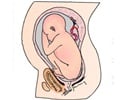
Breech Presentation and Delivery / Breech Birth
Breech birth or presentation is delivery of the fetus in a bottom or foot-first position. Causes of breech presentation include premature labor, uterine malformations and fetal abnormalities.
Breech birth or presentation is delivery of the fetus in a bottom or foot-first position. Causes of breech presentation include premature labor, uterine malformations and fetal abnormalities.
For clinicians, this would allow them to run a quick genetic test to identify patients at higher risk of liver injury before prescribing medications. The results might prompt a doctor to change the dosage, order more frequent follow-up tests to catch early signs of liver damage, or switch medications entirely.
Advertisement

Common Types of Liver diseases leading to Liver Transplantation
Liver disease that ends in liver failure (end stage liver disease), disrupting several important metabolic functions needs liver transplant for patient survival.
Liver disease that ends in liver failure (end stage liver disease), disrupting several important metabolic functions needs liver transplant for patient survival.
Liver toxicity has caused a number of drug failures over the years. Takebe says both patients and the drug maker were disappointed when a potential diabetes treatment called fasigliam was withdrawn in 2014 during phase 3 clinical trials. Some of the participants (at a rate equivalent to about 1 in 10,000) experienced elevated enzyme levels that suggested potential liver injury.
While such risks may appear low, at the time there was no way to predict which people would develop DILI, making the drug unacceptably dangerous. But the new polygenic risk score would make it possible to produce liver organoids that exhibit key risk variants to determine if a drug is harmful before people ever take it.
Source-Eurekalert