
Diabetes Essentials: Types, Complications, Management & Treatment
Diabetes is a metabolic disease caused by insulin deficiency that leads to high blood sugar levels and several associated complications if left untreated.
Diabetes is a metabolic disease caused by insulin deficiency that leads to high blood sugar levels and several associated complications if left untreated.
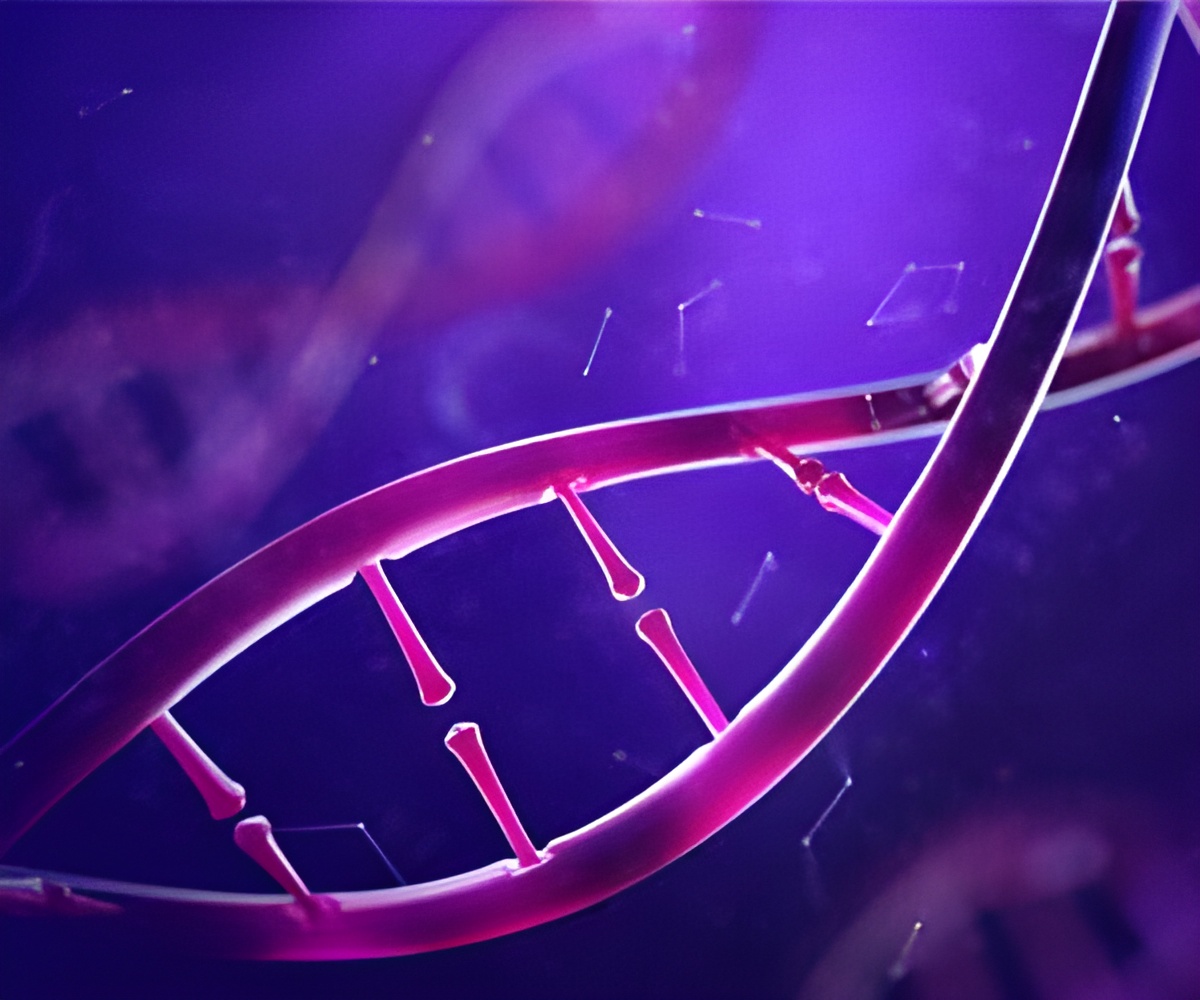
‘Newly identified gene mutation that slows the metabolism of sugar in the gut may pave the way for developing new potential treatments to fight diabetes, heart disease, and obesity.’
Tweet it Now
The research team say their finding could provide the basis for drug therapies that could mimic the workings of this gene mutation, offering a potential benefit for the millions of people who suffer from diabetes, heart disease, and obesity.The study, which is largely supported by the National Heart, Lung, and Blood Institute (NHLBI), part of the National Institutes of Health.
"We're excited about this study because it helps clarify the link between what we eat, what we absorb, and our risk for the disease. Knowing this opens the door to improved therapies for cardiometabolic disease," said Scott D. Solomon, M.D., a professor of medicine at Harvard Medical School and a senior physician at Brigham and Women's Hospital in Boston, who led the research.
Obesity - Causes, Symptoms, Diagnosis, Complications, Treatment
Obesity is a condition where there is excess accumulation of body fat which poses a risk to the health of the individual. It can affect children and adults.
Obesity is a condition where there is excess accumulation of body fat which poses a risk to the health of the individual. It can affect children and adults.
People who have the natural gene mutation appear to have an advantage when it comes to diet, Solomon noted. Those who eat a high-carbohydrate diet and have this mutation will absorb less glucose than those without the mutation. A high-carbohydrate diet includes such foods as pasta, breads, cookies, and sugar-sweetened beverages.
Advertisement
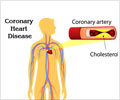
Coronary Heart Disease - Causes, Symptoms, Risk Factors, Diagnosis, Tretment
In coronary heart disease, blood is unable to flow through blocked arteries. The main symptom is chest pain or angina. Treatment is with medications or surgery.
In coronary heart disease, blood is unable to flow through blocked arteries. The main symptom is chest pain or angina. Treatment is with medications or surgery.
The researchers found that about 6 percent of the subjects carried a mutation in SGLT-1 that causes limited impairment of glucose absorption. Individuals with this mutation had a lower incidence of type 2 diabetes, were less obese, had a lower incidence of heart failure, and had a lower mortality rate when compared to those without the mutation, even after adjusting for dietary intake (including total calories, sodium, and sugars).
Advertisement

Drinking Milk at Breakfast can Lower Diabetes, Obesity Risk
Consuming high-protein milk in the morning along with your breakfast cereal can slow digestion, lower blood sugar levels and improves satiety (feeling of fullness) at lunchtime. This dietary strategy can help reduce diabetes and obesity burden.
Consuming high-protein milk in the morning along with your breakfast cereal can slow digestion, lower blood sugar levels and improves satiety (feeling of fullness) at lunchtime. This dietary strategy can help reduce diabetes and obesity burden.
Source-Eurekalert