
Tuberous Sclerosis: Causes, Symptoms, Signs, Diagnosis & Treatment
Tuberous sclerosis is genetic disorder characterized by benign tumors in many parts of the body, including brain, skin, lungs, kidney and heart.
Tuberous sclerosis is genetic disorder characterized by benign tumors in many parts of the body, including brain, skin, lungs, kidney and heart.
‘The study aims to determine the impact of a preventive treatment with vigabatrin on the developmental outcome of kids with tuberous sclerosis complex at two years of age.’
Tweet it Now
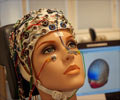
“There is a small window, perhaps two to three months in duration, between the first detectable signs of abnormal brain activity and the onset of seizures in infants with TSC,” said Martina Bebin, professor in the Department of Neurology in the UAB School of Medicine and the study’s primary investigator. “Those detectable signs can be discovered through electroencephalography, or EEG, before any symptoms are present. This window gives us an opportunity for preventive therapeutic intervention to delay or prevent the onset of seizures.”Previous studies by Bebin’s research team identified EEG biomarkers of abnormal brain activity in infants with TSC. These biomarkers typically are detectable within the first four to six months of the infant’s life, and predate the onset of seizures by two to three months.
Using EEG, the new study will look for the presence of the biomarkers to determine when abnormal brain activity begins, and then launch a drug intervention during the window between the first signs of abnormal brain activity and before seizure onset. The researchers are hoping to determine whether early intervention will have a positive effect on developmental outcomes and delay or prevent the onset of seizures.
Drug Developed to Prevent Organ Rejection can Treat Brain Tumors in Tuberous Sclerosis Complex Patients
Tumors in patients with tuberous sclerosis complex (TSC) can be shrunk dramatically with the help of a drug that had been originally developed to prevent the rejection of transplanted organs.
Tumors in patients with tuberous sclerosis complex (TSC) can be shrunk dramatically with the help of a drug that had been originally developed to prevent the rejection of transplanted organs.
“The aim of the study is to determine the impact of a preventive treatment with vigabatrin on the developmental outcome of children at two years of age,” Bebin said. “Traditionally, most children with TSC don’t see a neurologist until seizures begin. We want to examine the effects of early intervention, prior to the onset of seizures. If the intervention is successful, it could have a significant impact on clinical practice.”
Advertisement
NHS to Offer Drug for Tuberous Sclerosis Complex
British children suffering from a rare form of genetic disorder now have an alternative to surgery
British children suffering from a rare form of genetic disorder now have an alternative to surgery
Source-Newswise

Drug Developed to Deal With Organ Rejection Found to Reduce Seizures in Patients With Tuberous Sclerosis Complex
People suffering from tuberous sclerosis complex (TSC) could be benefited with a drug, originally developed to prevent the rejection of transplanted organs.
People suffering from tuberous sclerosis complex (TSC) could be benefited with a drug, originally developed to prevent the rejection of transplanted organs.