
Avian Influenza / Bird Flu-Causes-Symptoms-Treatment- FAQs
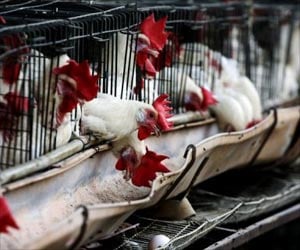
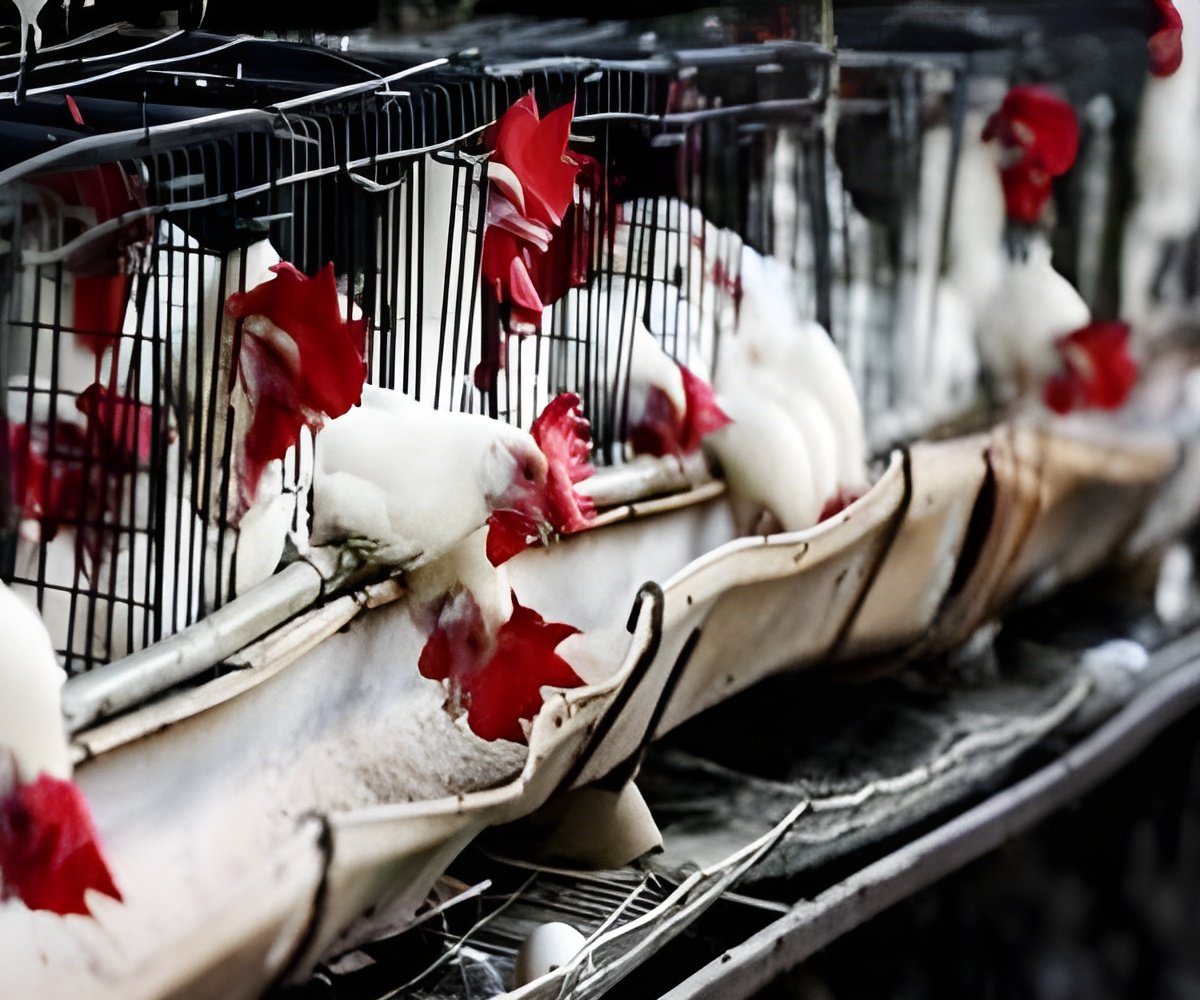
Bird flu (avian influenza/avian flu) is a disease caused by an influenza virus (H5N1) that primarily affects birds but can infect humans also.
Bird flu (avian influenza/avian flu) is a disease caused by an influenza virus (H5N1) that primarily affects birds but can infect humans also.
‘Avian influenza A (H3N8) viruses are commonly identified in animals. Cross-species transmission of avian influenza viruses has been recorded for various species.’
Tweet it Now
The woman from Guangdong province fell ill due to the virus on February 22 and was hospitalized for severe pneumonia on March 3. She subsequently died on March 16, the global health body said in a statement. "The case was detected through the severe acute respiratory infection (SARI) surveillance system. The patient had multiple underlying conditions. She had a history of exposure to live poultry before the onset of the disease, and a history of wild bird presence around her home," the WHO said.
According to reports from health officials, the preliminary epidemiological investigation into this event suggests that exposure to a live poultry market may have been the cause of infection.
Exploring the First Death from Influenza Virus in China
Health authorities also carried out epidemiological investigation and close contact tracing. They found no other cases among close contacts of the infected individual.
Quiz on Flu
Influenza (or rather, the flu) is a cold weather infectious condition that affects the young and old alike. Though most reported cases are mild, the flu can sometimes cause severe and life-threatening complications in both children and adults, thanks to wrong medications and improper vaccinations. Learn more about the disease from our Flu Quiz and guard yourself and your family from a possible infection.
Influenza (or rather, the flu) is a cold weather infectious condition that affects the young and old alike. Though most reported cases are mild, the flu can sometimes cause severe and life-threatening complications in both children and adults, thanks to wrong medications and improper vaccinations. Learn more about the disease from our Flu Quiz and guard yourself and your family from a possible infection.
However, due to the constantly evolving nature of influenza viruses, the WHO stressed the importance of global surveillance to detect virological, epidemiological and clinical changes associated with circulating influenza viruses which may affect human (or animal) health.
Advertisement

Quiz on Common Cold
A person afflicted with the common cold is most infectious three days after the start of infection. Find out more about the malady and about some simple home remedies to counter the problem from this quiz on cold.
A person afflicted with the common cold is most infectious three days after the start of infection. Find out more about the malady and about some simple home remedies to counter the problem from this quiz on cold.
Samples from the patient's residence and the wet market where she spent time before the onset of illness tested positive for H3N8, the UN health body said.
Advertisement

Top 10 Healthy Foods to Fight Cold and Flu
Food found in our pantry is rich in medicinal properties to fight the common cold or flu. Here are some foods that can help build immunity and fight cold
Food found in our pantry is rich in medicinal properties to fight the common cold or flu. Here are some foods that can help build immunity and fight cold
Meanwhile, the Chinese government has enhanced monitoring and disinfection in the surrounding environment of the patient's residence and suspected exposure areas. It has also launched public risk communication activities to improve public awareness and adoption of self-protection measures.
Source-IANS