
Fish Eyes May Help Understand Inherited Blindness
Discovery of a gene in zebrafish that triggers congenital blindness could lead to a suitable cure for similar disease in humans.
Discovery of a gene in zebrafish that triggers congenital blindness could lead to a suitable cure for similar disease in humans.
‘Listeners are most likely to tune in when a speaker delivers the most emotional peaks of his/her narrative, as revealed by synchronous pupil dilation patterns of speakers and listeners due to shared attention.’
Tweet it Now
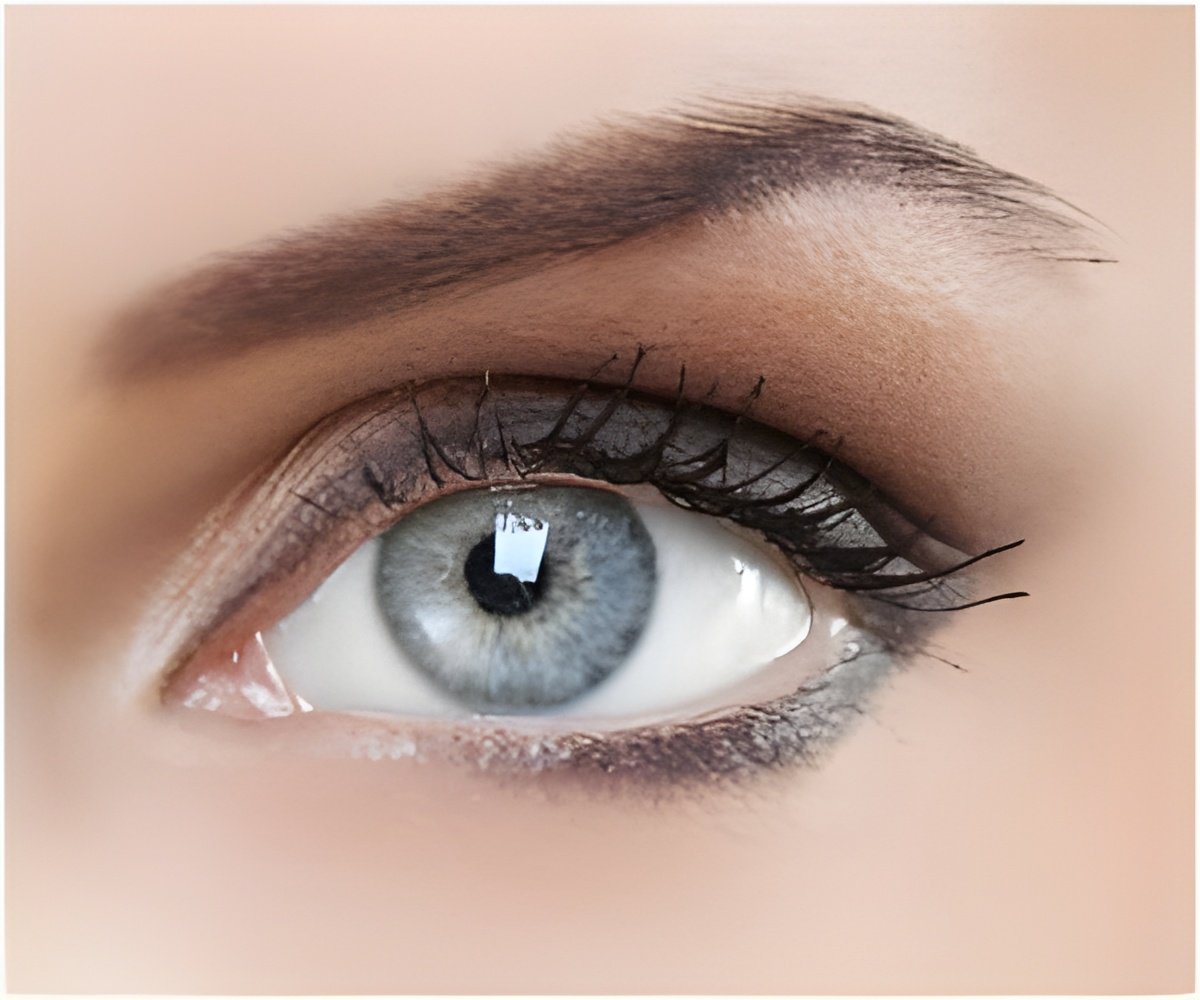
Speakers who are highly expressive were more likely to evoke pupillary synchrony. Most people know that pupils dilate to adjust the amount of light that enters the eye, but pupils also dilate rapidly in response to information that is being processed moment by moment. The study measured engagement in real-time by evaluating a physiological response or in this case, pupil dilations, which cannot be faked or controlled consciously. "'The eyes are the window to the soul' is an ancient saying supported by many scientific studies linking pupil dilation and eye gaze to mental states such as attention and intention. Here we show that the eyes not only reveal the inner workings of one mind, but reveal when two minds connect," said researcher Thalia Wheatley. The study builds on the researchers' earlier findings demonstrating that pupil dilation patterns reflect the contents of consciousness or what one pays attention to.
They plan to investigate their latest findings on pupillary synchrony further through a study using a dual infrared eye-tracker that can be used to track the dilations of a speaker and listener at the same time. The findings appear in the Journal of Experimental Psychology: General.

New App can Help Speak Language of Eyes
Current eye-tracking input systems for people with ALS or other motor impairments are expensive, not robust under sunlight, and require frequent re-calibration.
Current eye-tracking input systems for people with ALS or other motor impairments are expensive, not robust under sunlight, and require frequent re-calibration.

When We Blink, Why Our Eyes Don't Blur?
When we blink, our eyeballs roll back in their sockets and do not always return to the same spot when we reopen our eyes.
When we blink, our eyeballs roll back in their sockets and do not always return to the same spot when we reopen our eyes.

BioEYES Program Increases Science Understanding and Positive Attitudes
Project BioEYES is effective at increasing students' science knowledge and positive attitudes about science, revealed a study.
Project BioEYES is effective at increasing students' science knowledge and positive attitudes about science, revealed a study.