
Bell's Palsy - Anatomy, Causes, Incidence and Prevalence, Symptoms
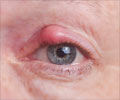
Bell's palsy is facial nerve disorder that causes weakness of the muscles on one side of the face. Its cause is unknown but most people make a full recovery within 8 to 12 weeks.
Bell's palsy is facial nerve disorder that causes weakness of the muscles on one side of the face. Its cause is unknown but most people make a full recovery within 8 to 12 weeks.
From March 2009 to May 2010, 49 patients with paralytic inability to completely close the eye were treated at the Facial Nerve Center at Massachusetts Eye and Ear Infirmary, Boston. Thirty-seven of the patients completed preoperative and postoperative FaCE surveys.
"Overall QOL, measured by the FaCE instrument, significantly improved following static periocular treatment," the authors report. "Mean FaCE scores increased from 44.1 to 52.7."
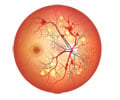
Diabetic Retinopathy - Risk Factors - Symptoms - Treatment - Diagnosis - FAQs
The term ‘diabetic retinopathy’ refers to changes in the retina which often occur in people with diabetes.
The term ‘diabetic retinopathy’ refers to changes in the retina which often occur in people with diabetes.
Two patients experienced localized cellulitis (a bacterial infection of the skin and tissues beneath the skin) in reaction to the eyelid weight. There was one eyelid weight extrusion.
Advertisement

Quiz on Eye
The eyes are the most complex part of the body after the brain. To learn more about the eye, its functions and the diseases that affect the eye participate in this quiz.
The eyes are the most complex part of the body after the brain. To learn more about the eye, its functions and the diseases that affect the eye participate in this quiz.
Source-Eurekalert