
Exercise - Benefits - Planning - Workout-Schedule - Tips to Lose Weight
It is important for us to understand the power of daily exercise. Only then can we motivate ourselves to inculcate the habit of exercise on a daily basis.
It is important for us to understand the power of daily exercise. Only then can we motivate ourselves to inculcate the habit of exercise on a daily basis.
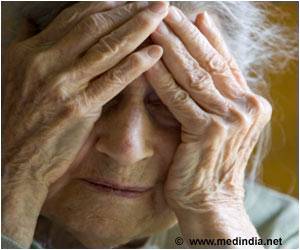
‘The Ageing-On research group developed a programme to improve the life quality of elderly people who are in residential care.’
Tweet it Now
Strength, balance and stamina are worked on. The programme is run progressively and the intensities are increased as the capabilities of the people, for whom the adaptations of the body are greater, increase. This makes it pioneering because firstly there are few studies exploring the effects of physical exercise on frailty in this population, and secondly, the programmes do not tend to be adapted to the capabilities of the each individual. The effectiveness of the programme was analysed in a sample of 112 participants from 10 centres for the elderly. They were randomly divided into two groups: the "control" group that continued with its usual activities and care, and the "experimental" group that did two 45-minute sessions of physical exercise per week designed to improve strength and balance. The time they spent walking was gradually increased until they reached at least 20 minutes a day.
Physical and cognitive improvement

Test your Knowledge on Exercise Addiction
Exercise addiction, or exercise dependence, is a compulsive habit of engaging in an extreme physical activity performed beyond the required level of fitness. Exercise addicts may start physical activity for weight control and falsely believe that more exercise leads to faster results.
Exercise addiction, or exercise dependence, is a compulsive habit of engaging in an extreme physical activity performed beyond the required level of fitness. Exercise addicts may start physical activity for weight control and falsely believe that more exercise leads to faster results.
After three months, the study showed a significant improvement in most of the physical variables, such as strength, walking speed and balance in the people who were doing physical exercise. By contrast, the people in the "control" group saw a reduction in their physical capabilities.
Advertisement

Target Heart Rate During Exercise
Embarking on a fitness regime? Find out what your safe heart rate zone while exercising.
Embarking on a fitness regime? Find out what your safe heart rate zone while exercising.
The positive results obtained have been published in the journals BMC Geriatrics, Maturitas and Experimental Gerontology. The Ageing-On research group has also designed a methodology whereby any centre for the elderly can set up an exercise programme developed with the guidelines set out in its research.
Advertisement

Top 14 Fibromyalgia-Friendly Exercises
Fibromyalgia may be incurable but your life doesn’t have to come to a standstill. Here are some of the best exercises for fibromyalgia that will help ease the pain.
Fibromyalgia may be incurable but your life doesn’t have to come to a standstill. Here are some of the best exercises for fibromyalgia that will help ease the pain.
Source-Eurekalert