Air Pollution - Pollutants - Health Effect - Efforts to Reduce
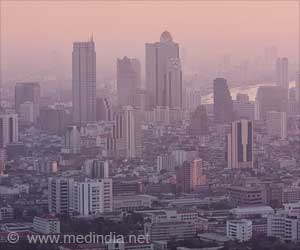
Nearly 2.4 million deaths every year are attributable to air pollution. Air pollutants may be solid particles, liquid droplets or gases. Proper planning methods should be adopted to reduce air pollution.
Nearly 2.4 million deaths every year are attributable to air pollution. Air pollutants may be solid particles, liquid droplets or gases. Proper planning methods should be adopted to reduce air pollution.
‘Excess emissions in Texas cause approximately $150 million a year in negative health consequences.
’
Tweet it Now
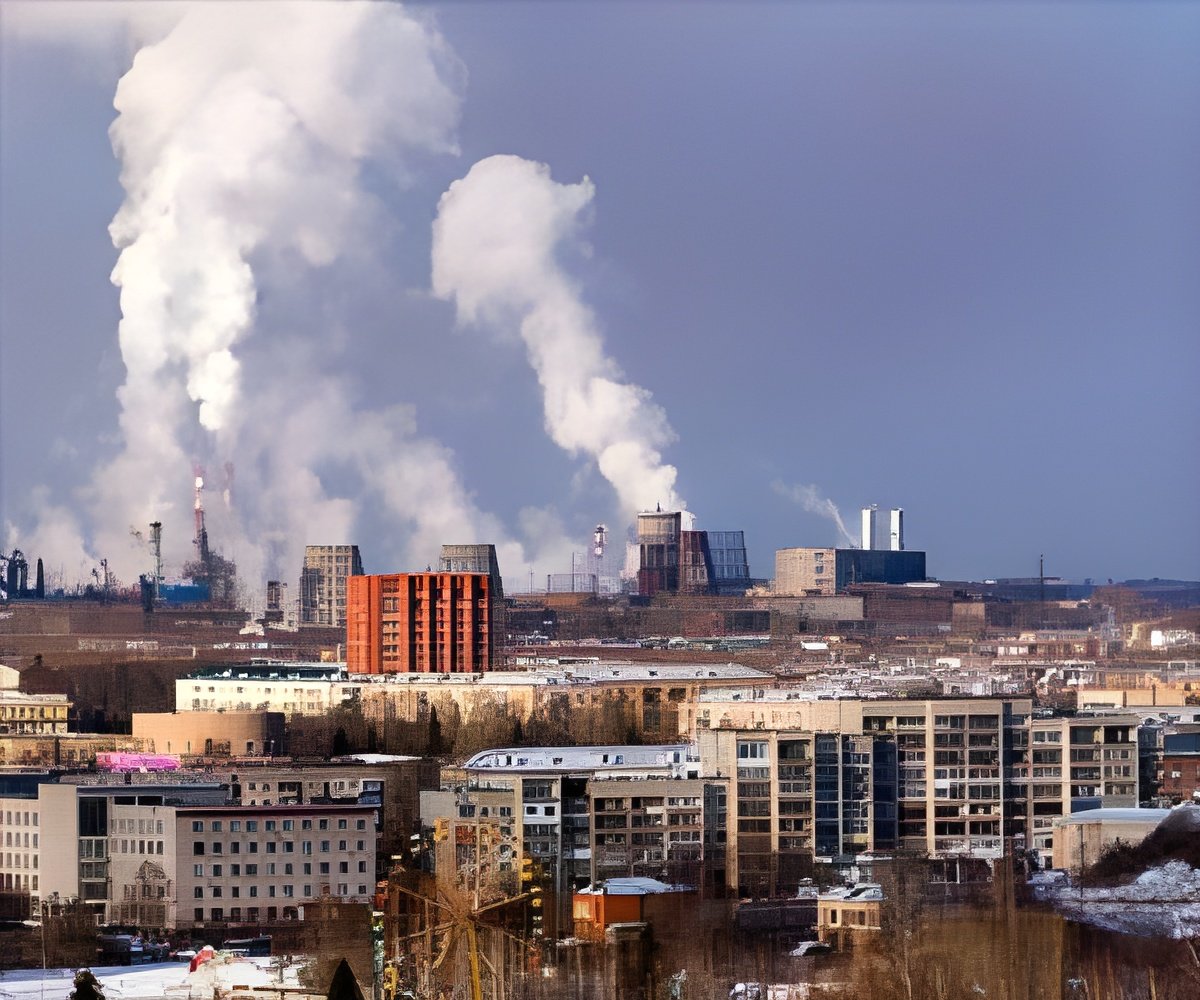
The study, "Understanding Excess Emissions from Industrial Facilities: Evidence from Texas," has been published online by the journal Environmental Science and Technology. Additional authors are SPEA assistant professor Alex Hollingsworth and associate professor David Konisky. It is the first study to examine statewide excess emissions of a range of air pollutants produced by multiple industrial sectors over a period of time, from 2002 to 2016. Industrial sectors include refineries, oil and gas fields, chemical plants and natural gas facilities.
The researchers found that a few events at a handful of facilities produced a large share of excess emissions. The typical excess event produced about 1 ton of emissions, but some produced more than 1,000 tons. In the refining sector, six refineries caused 77 percent of carbon monoxide excess emissions.

Quiz on Pollution
Pollution not only has an adverse effect on the earth, it also affects all living beings. Test your knowledge regarding the health effects of pollution by taking this quiz.
Pollution not only has an adverse effect on the earth, it also affects all living beings. Test your knowledge regarding the health effects of pollution by taking this quiz.
In some facilities, excess emissions produced more pollution than normal operations. At one refinery, a 56-hour event in 2003 released more sulfur dioxide than the plant was permitted to emit for the year.
Advertisement

Quiz on Global Warming
The International Conference on Global Warming (GCGW-2012) will be held in Istanbul, Turkey on July 8-12, 2012. Take this quiz to learn what causes global warming, how it can affect your health, and what can be your contribution to contain it.
The International Conference on Global Warming (GCGW-2012) will be held in Istanbul, Turkey on July 8-12, 2012. Take this quiz to learn what causes global warming, how it can affect your health, and what can be your contribution to contain it.
The U.S. Environmental Protection Agency looks to states to regulate emissions through state implementation plans. But it wasn't until 2015 that the EPA began pushing states to effectively regulate excess emissions. With a recent change in leadership at the EPA, the enforcement of regulations on excess emissions may be in flux, the researchers say.
Advertisement

Delhi Government Organizes Campaign to Deal With Air Pollution
To deal with the problem of air pollution in Delhi and the NCR region, centre and Delhi govt have organized 70 teams for creating mass awareness.
To deal with the problem of air pollution in Delhi and the NCR region, centre and Delhi govt have organized 70 teams for creating mass awareness.