Deep Brain Stimulation for Parkinson�s Disease
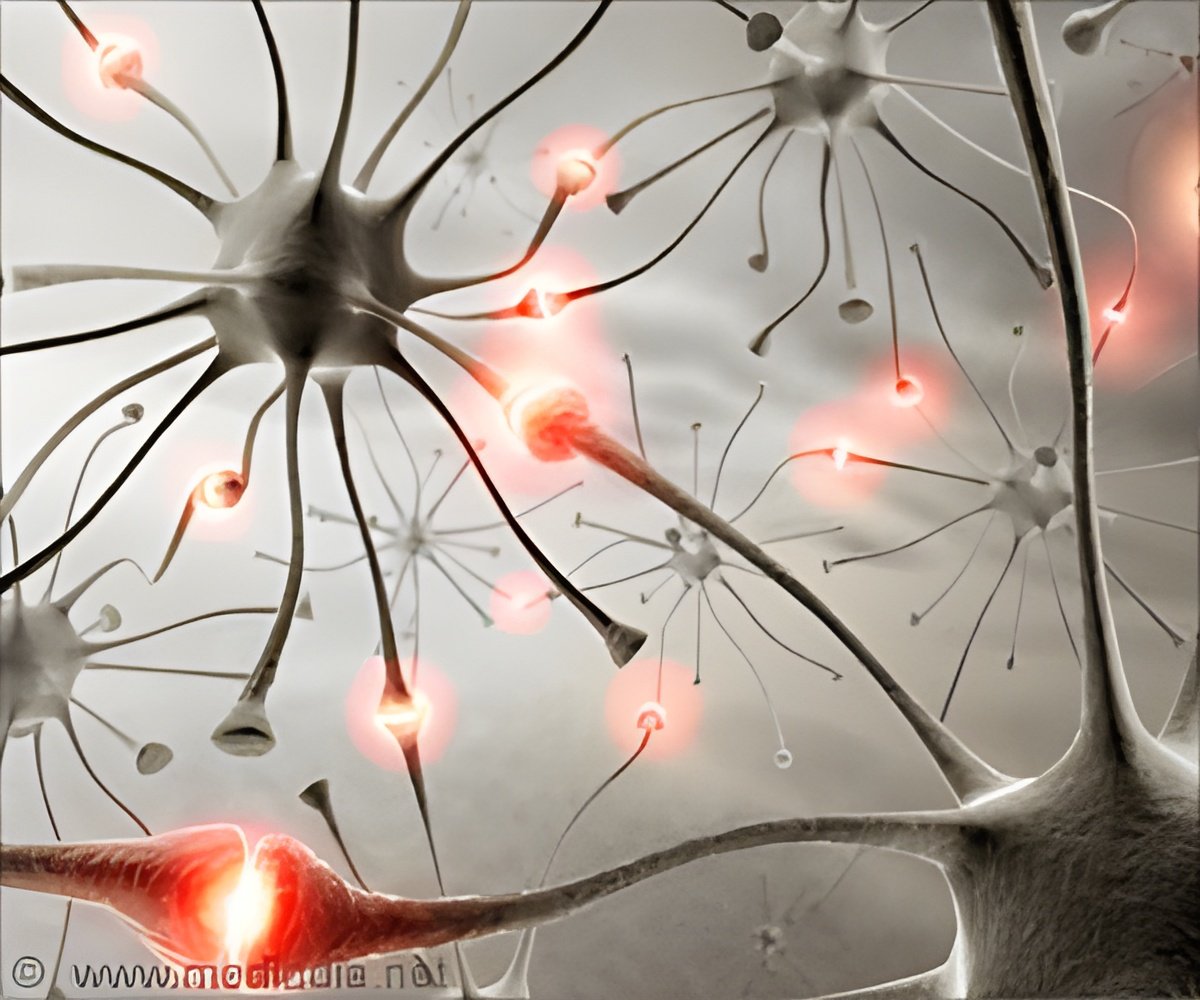
Deep brain stimulation using electrical impulses jumpstarts the nerve cells that produce the chemical messenger dopamine to reduce tremors and muscle rigidity that are the hallmark of Parkinson’s disease.
Deep brain stimulation using electrical impulses jumpstarts the nerve cells that produce the chemical messenger dopamine to reduce tremors and muscle rigidity that are the hallmark of Parkinson’s disease.
‘Sleep behavioral disorders help discover their strong link with Parkinson's disease. It was found that inflammation with activated brain's immune cells and a loss of neuronal activity in the brain directly related to changes in peripheral immune cells in the blood, the monocytes. This could pave the way for new diagnostic tools and forms of treatment for Parkinson’s disease in the future that modulates cells in the blood.’
Tweet it Now
It is characterized by the hallmark formation of inclusion proteins called alpha-synuclein in the form of Lewy bodies. Parkinson’s disease comes under a group of neurodegenerative diseases – synucleinopathies that involves both central and peripheral immune responses. And these abnormal accumulations of protein aggregates are found to be preceded by the rapid-eye-movement (REM) sleep behavior disorder (iRBD) before the onset of Parkinson’s disease.
However, the course of peripheral immune changes occurring either early or late in the disease and their relation to brain events is yet unclear.

Inflammatory Bowel Disease Raises the Risk of Parkinson's
Relatively new research findings indicating that the earliest stages of Parkinson's disease (PD) may occur in the gut have been gaining traction in recent years.
Relatively new research findings indicating that the earliest stages of Parkinson's disease (PD) may occur in the gut have been gaining traction in recent years.
Sleep Behavior Disorder and Parkinson’s Disease
Advertisement
New Insights into Parkinson�s Treatment
One of the factors behind nerve cell death in Parkinson's disease identified, unlocking the potential for new treatment to slow the progression of Parkinson’s disease.
One of the factors behind nerve cell death in Parkinson's disease identified, unlocking the potential for new treatment to slow the progression of Parkinson’s disease.
REM Sleep Behavior Disorder (RBD) is a condition where the patients physically act vivid dreams with vocalizations and movements. And RBD patients are associated with a high risk (90%) of developing Parkinson's or related disorders over 5-10 years.
Advertisement
The team had found that the increased expression of immune cells – classical monocytes and mature natural killer cells in the blood of iRBD patients correlated with nigral immune activation and reduced putaminal dopaminergic function when measured with 11C-PK11195 positron emission tomography (PET) and 18F-DOPA PET respectively.
Evaluating Peripheral Immune Cells in Parkinson’s Disease
"We could see that the blood's immune system changes very early on - even before Parkinson's is diagnosed. This is the first study to show that the body's immune system continuously communicates with the brain during the development of Parkinson's disease and that changes in the body's immune system influence the condition of the neurons in the brain. In connection with Parkinson's, this presents us with new opportunities for studying the immune cells in the blood and finding new forms of treatment," says Marina Romero-Ramos, associate professor at the Department of Biomedicine at Aarhus University.
This derives a strong association between peripheral blood monocytes and brain immune and dopaminergic changes in a synucleinopathy-related disorder, thus inviting a cross-talk between periphery and brain during the disease.
Thus the study spots out the new hope to find and investigate ways to manage Parkinson's disease by treating the blood and not the brain.
"This opens up the possibility of being able to design immunotherapy that modulates cells in the blood, which subsequently would stop or delay the changes in the brain. For the patients, being able to enjoy more years with good quality of life will be very significant. It also opens up opportunities for us to be able to find biomarkers in the blood that can tell us how someone's brain is doing. Blood tests can be done more often and cheaper than a brain scan", says Romero-Ramos.
Further evaluation of the data allows it to be replicated in new groups of patients by more labs and perform more testing.
Source-Medindia