Tendon Injuries Could be Treated by Athletes' Own Blood
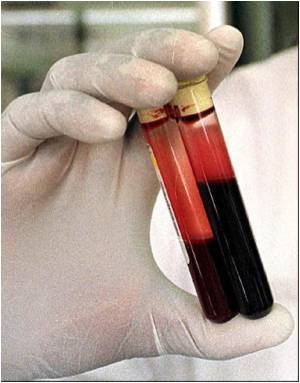
The technique of treating tendon injuries in athletes by injecting them with their own blood, also quickening their recovery time has been perfected by a doctor in Melbourne.
The technique of treating tendon injuries in athletes by injecting them with their own blood, also quickening their recovery time has been perfected by a doctor in Melbourne.
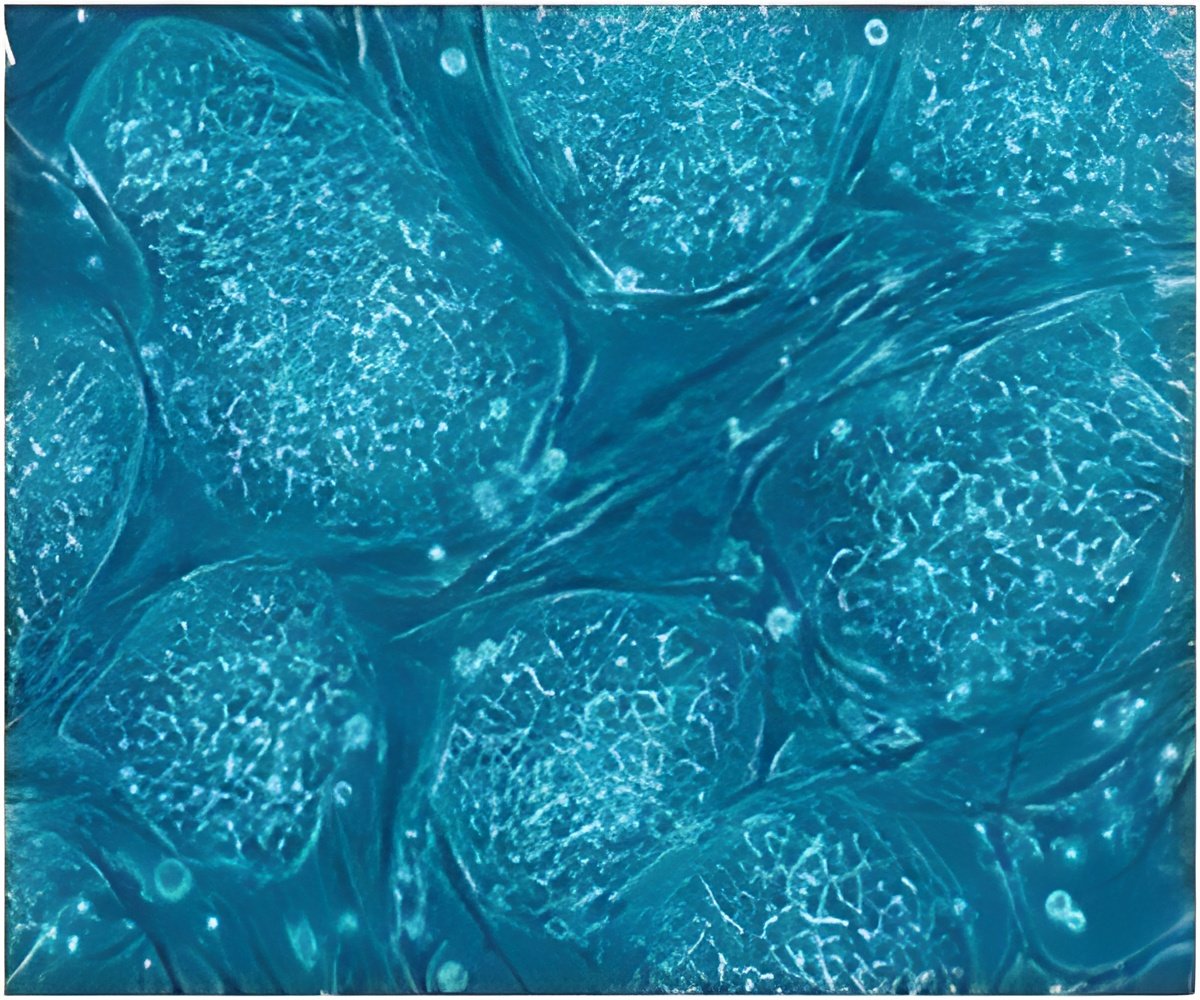
Stem cells injections are already common veterinary medicine, and scientists are curious how to make stem cell treatments more effective. In this paper, the authors looked at the use of three types of stem cells: bone marrow-derived mesenchymal stem cells, adipose-derived stem cells and umbilical cord blood-derived stem cells.
These types of cells have the potential to strengthen a tendon after injury. Implants of bone marrow-derived mesenchymal stem cells (BMSC) can increase collagen production and organized collagen fibers in the tendon. Adipose-derived stem cells can express certain proteins important in healing.

Tendon Injuries' Diagnosis may Be Revolutionised by Pneumatic Robot
Initial trials on four healthy volunteers suggest that a pneumatic robot can position patients' limbs inside an MRI scanner, and allow physicians to get sharp images of tendons that
Initial trials on four healthy volunteers suggest that a pneumatic robot can position patients' limbs inside an MRI scanner, and allow physicians to get sharp images of tendons that
Umbilical cord blood-derived stem cells (UCB) may have the most potential for healing horse injuries in the future. These cells may be better able to grow into new types of cells and repair tendon damage. So far there have been no studies of UCB use in actual horse tendon injuries. But in vitro studies show that UCB could be capable of tendon regeneration.
Advertisement

In Rough Mexico City Neighborhood, Horses Bring Relief
It was when La Hera ranch still lay in fields outside Mexico City that Guadalupe Pena's great grandparents began working with horses.
It was when La Hera ranch still lay in fields outside Mexico City that Guadalupe Pena's great grandparents began working with horses.
Source-Eurekalert

Riding Motorbikes, Horses and Bicycles Are Riskiest Sports: Study
Riding motorbikes, horses and bicycles can be riskiest sports, accounting for hundreds of major trauma cases in Victoria each year, suggests a study.
Riding motorbikes, horses and bicycles can be riskiest sports, accounting for hundreds of major trauma cases in Victoria each year, suggests a study.