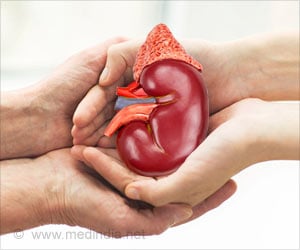
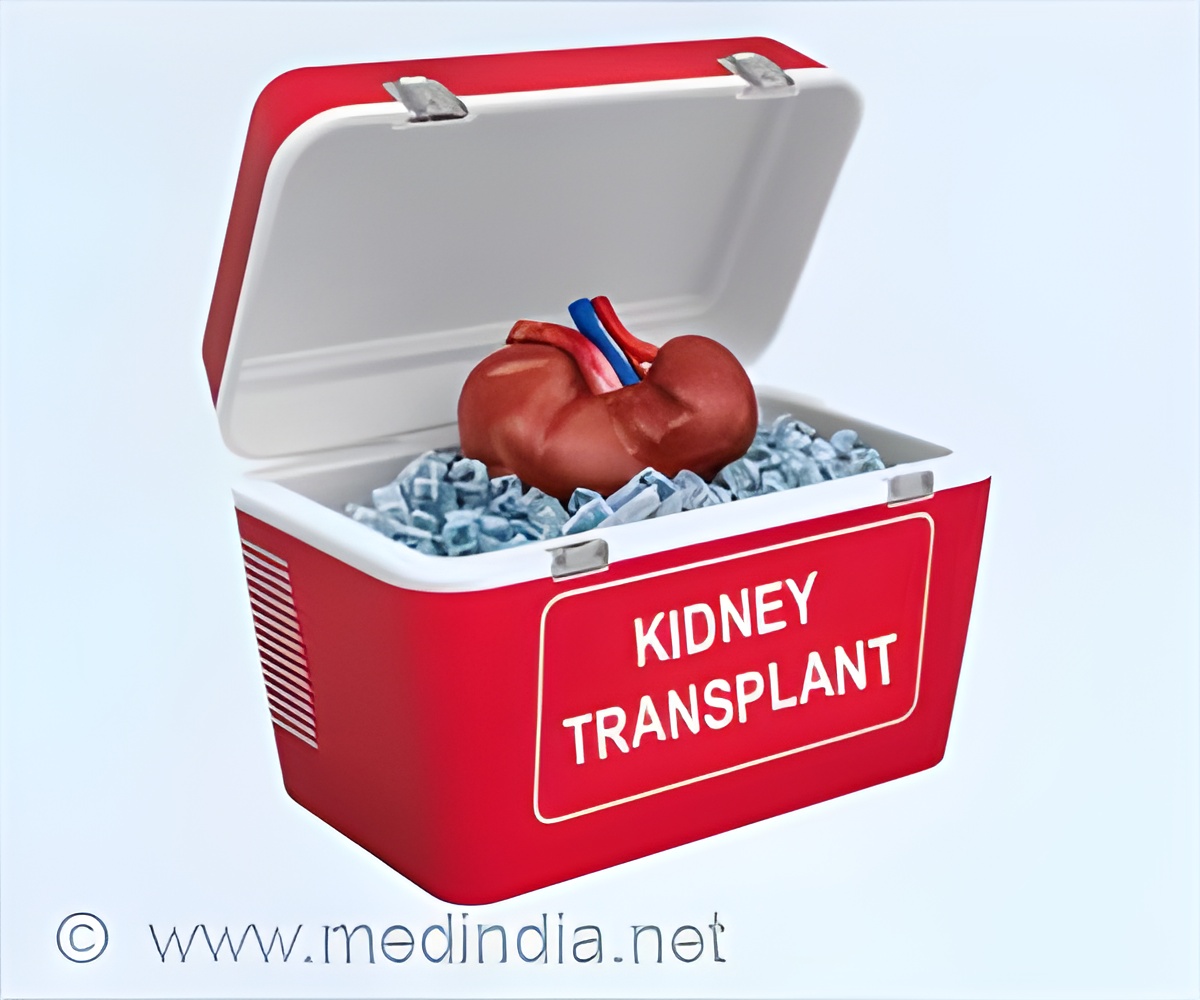
Elderly patients do indeed profit from kidney transplantation, even when the donor organ is also old, reports a new study.
Paired Donor Exchange Kidney Transplantation
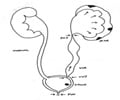
Paired donor exchange kidney transplantation is a process in which unrelated kidney donors are matched to recipients so that compatible transplants can be performed.
Paired donor exchange kidney transplantation is a process in which unrelated kidney donors are matched to recipients so that compatible transplants can be performed.
‘Elderly patients can access kidney transplantation and remain dialysis free for their remaining lifespan by using grafts from extremely aged deceased donors.
’





Screening programs have increased the survival rates of many illnesses such as cancer, national vaccination programs have completely eradicated many diseases, and better safety standards such as traffic regulation, risk management, and safe work procedures have helped to reduce the number of accidents. In a nutshell, people are getting older and healthier, but the prevention of chronic kidney disease (CKD) is lagging behind, with the number of patients on the rise. In 2016, 121 pmp started renal replacement; in 2017, this number rose to 127 pmp - according to figures released by the ERA-EDTA Renal Registry [2]. Most patients are elderly people because the risk of chronic kidney disease increases with age. The mean age of patients starting RRT was 63.4 years.
The best available treatment of end-stage renal disease is kidney transplantation. "We know that patients benefit immensely from this treatment, survival, and quality of life are significantly better compared to dialysis patients," explains Professor Ron Gansevoort, Press Officer of the ERA-EDTA. This can be easily explained: After successful kidney transplantation, the detoxification function can return almost completely to normal, and there is no accumulation of toxins and water in the body, as in dialysis patients between dialysis treatments. Furthermore, patients are not dependent on the blood washing procedure (usually three times a week for 4 hours), which greatly impacts "normal life."

Kidney Transplantation is Associated With Better Survival
Kidney transplantation may prolong the survival of not only patients who have recently initiated dialysis, but also for patients on long-term dialysis.
Kidney transplantation may prolong the survival of not only patients who have recently initiated dialysis, but also for patients on long-term dialysis.
These questions have now been answered by a new study published in NDT [1]. One hundred thirty-eight recipients (?75 years) who received kidney transplants from similarly aged deceased persons between 2002 and 2015 were analyzed. One- and five-year patient survival was 82.1% and 60.1%, respectively, whereas the corresponding rates for death-censored graft survival were 95.6% and 93.1%, respectively.
Advertisement
Children�s Access to Kidney Transplantation Affected by Racial Disparities
The risk of death in black children compared to white children with kidney failure was higher over the last two decades.
The risk of death in black children compared to white children with kidney failure was higher over the last two decades.
Source-Eurekalert
Regional and Racial Disparities in Access to Kidney Transplantation in America?
Researchers find that there is substantial geographic variation in access to kidney transplantation, with a disproportionate lack of access in the Southeast U.S.
Researchers find that there is substantial geographic variation in access to kidney transplantation, with a disproportionate lack of access in the Southeast U.S.