
Reports of Ebola Outbreak in Calabar are Untrue: Nigerian Government
An unnamed man died last Wednesday, after showing Ebola-like symptoms, according to officials at the University of Calabar Teaching Hospital.
An unnamed man died last Wednesday, after showing Ebola-like symptoms, according to officials at the University of Calabar Teaching Hospital.
"Our findings show the unprecedented local and international response led to a substantial decline in Ebola transmission," said report lead author Adam Kucharski, lecturer in Infectious Disease Epidemiology at the LSHTM.
The world's worst recorded Ebola outbreak has infected more than 28,000 and killed 11,300 people in Guinea, Liberia and Sierra Leone since it began in December 2013, and is only now coming under control.
Health Department Quarantines 700 People in Sierra Leone After New Ebola Death
The teenager died last Sunday in a rural suburb of the city of Makeni, in a northern province that had not recorded a single case of the deadly virus in nearly six months.
The teenager died last Sunday in a rural suburb of the city of Makeni, in a northern province that had not recorded a single case of the deadly virus in nearly six months.
Increasing the number of beds in Ebola holding facilities, community care and treatment centers averted further infections by isolating patients from their communities, according to the study, which was published in the American journal Proceedings of the National Academy of Sciences.
Advertisement
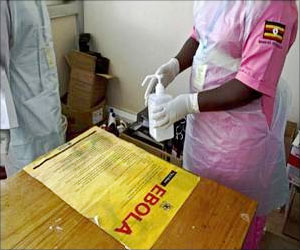
UN Chief Applauds Progress in Fighting Ebola, Warns of Setbacks Due to Lapse in Vigilance
Ban Ki-Moon stressed the importance of community engagement and active surveillance to fight Ebola and urged the UN to continue lending its support.
Ban Ki-Moon stressed the importance of community engagement and active surveillance to fight Ebola and urged the UN to continue lending its support.
The last two known Ebola patients in Sierra Leone were released just over two weeks ago and began a new 42-day countdown for a virus free nation officially.
Advertisement

74,000 Likely Cases of Malaria Were Not Treated Due to the Ebola Scare
Tens of thousands of people in Guinea did not seek help for malaria, fearing infection from people with Ebola, or confinement if they showed feverish symptoms.
Tens of thousands of people in Guinea did not seek help for malaria, fearing infection from people with Ebola, or confinement if they showed feverish symptoms.