
Atrial Fibrillation - Causes, Symptoms, Diagnosis, Treatment, Complication, Risks
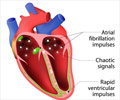
Atrial fibrillation may not be life-threatening in itself but it is important to understand the causes, symptoms and treatments because of the risk of life-threatening complications.
Atrial fibrillation may not be life-threatening in itself but it is important to understand the causes, symptoms and treatments because of the risk of life-threatening complications.
‘Older patients treated for atrial fibrillation with amiodarone is linked to a higher risk of fall-related injuries and fainting.
’
Tweet it Now
To prevent atrial fibrillation symptoms, health professionals may treat patients with medications to control their heart rate or rhythm. However, these medications can potentially raise the risk for falls and fainting, though the connection hasn't studied significantly in the past.To learn more, researchers in Denmark designed a study to learn more about the potential risk for falls and fainting among older adults taking medication for atrial fibrillation.
Using Danish health data, the researchers identified patients who were between the ages of 65 and 100 when they were first diagnosed with atrial fibrillation. The researchers examined the records of 100,935 atrial fibrillation patients 65 years or older who filled prescriptions for heart rhythm medications.

Drugs for Atrial Fibrillation - Symptoms, Treatment, Side Effects & Precautions
Atrial fibrillation is a condition with irregular heart rhythm. Be aware of the prescribed drugs, their side effects and precautions, to avoid risk to life.
Atrial fibrillation is a condition with irregular heart rhythm. Be aware of the prescribed drugs, their side effects and precautions, to avoid risk to life.
Then the researchers looked for those patients who had emergency department visits or hospital admissions for fainting, fall-related injuries, or both. Fall-related injuries were defined as fractures of the thigh, elbow, forearm, wrist, shoulder or upper arm, pelvis, and skull, as well as major and minor head injuries.
Advertisement
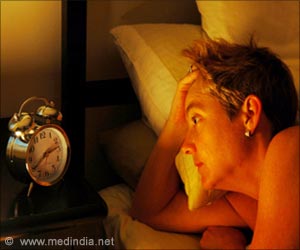
Poor Sleep may Heighten the Risk for Atrial Fibrillation
New study links poor sleep quality to atrial fibrillation (AF). This finding provides another evidence that sleep quality is important to cardiovascular health and specifically to atrial fibrillation (AF). Improving sleep might help stave off atrial fibrillation.
New study links poor sleep quality to atrial fibrillation (AF). This finding provides another evidence that sleep quality is important to cardiovascular health and specifically to atrial fibrillation (AF). Improving sleep might help stave off atrial fibrillation.
- 17,132 (17 percent) had a fall-related injury
- 5,745 (5.7 percent) had a fainting episode
- 21,093 (20.9 percent) had either a fall-related or fainting-related injury
- There were 40,447 deaths without a fall-related injury or fainting episode, which accounted for 40.1 percent of study participants.
The researchers reported that the medication amiodarone was significantly associated with increased risk, whether it was prescribed alone or with other heart rhythm drugs. The medication digoxin was slightly associated with fall-related injuries.
Advertisement
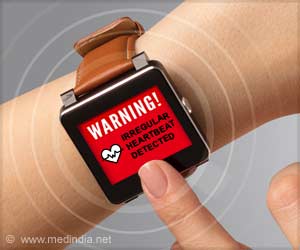
Atrial Fibrillation Diagnosed Using Mobile Health Devices
Using digital medicine technologies researchers were able to identify undiagnosed atrial fibrillation in at-risk populations
Using digital medicine technologies researchers were able to identify undiagnosed atrial fibrillation in at-risk populations
"Our findings add to evidence that, for older patients with atrial fibrillation, treatment with amiodarone is associated with a higher risk of fall-related injuries and fainting," said the researchers. Additionally, the amiodarone connection was strongest within the first two weeks of the treatment but still present after long-term treatment.
The researchers concluded that being informed on the adverse risks of a given treatment is crucial to make shared decisions and provide quality patient care.
Source-Eurekalert