
Congenital Heart Disease – Septal Defects
Heart diseases that are present at birth are called “ Congenital heart diseases”.
Heart diseases that are present at birth are called “ Congenital heart diseases”.
‘Newborns with congenital heart defect who require device-assisted feeding are unable to ingest the optimal calories needed for proper growth and development.’
Tweet it Now
The prospective, observational, cohort study investigated the growth and development in the first year of life in infants who had undergone neonatal cardiac surgery during the first month of life. A total of 72 infants with CHD at six and twelve months were assessed. Research procedures included anthropometric (measurement and study of the human body) evaluations at three, six, nine, and twelve months. Feeding mode (bottle or breast only, bottle or breast combined with tube assisted feeding, or tube assisted feeling only) was recorded at discharge and at three months.
Of the 72 newborns with complex CHD, 38 (53 percent) were exclusively orally fed at hospital discharge; whereas the other 34 (47 percent) required device-assisted feeding, combined with oral feeding.

Parents of Children With Congenital Heart Disease Needs Better Information
Physicians delivering the diagnosis need to do a better job of showing compassion, ensuring parents understand all their options and providing easily understandable information, based on a survey of parents of children with congenital heart disease.
Physicians delivering the diagnosis need to do a better job of showing compassion, ensuring parents understand all their options and providing easily understandable information, based on a survey of parents of children with congenital heart disease.
Newborns who required device-assisted feeding at hospital discharge and at three months of age were at the greatest risk of altered cognitive development.
Advertisement
Nonsurgical Correction of Congenital Heart Disease
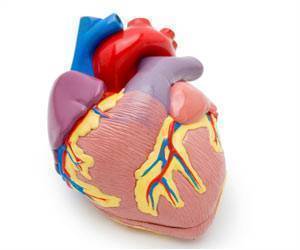
Common cardiac birth defect, referred to as hole in the heart , has been corrected in six premature infants without subjecting them to open-heart surgery, using a new technique.
Common cardiac birth defect, referred to as hole in the heart , has been corrected in six premature infants without subjecting them to open-heart surgery, using a new technique.
The inability to feed may be an indicator of immature feeding skills, which may suggest the need for early device-assisted feeding could be indicative of abnormal brain development. Infants with complex CHD with poor growth and those who require device-assisted feeding early in life are at increased risk for neurodevelopmental disability.
Advertisement

Genetic Mechanism Linked to Congenital Heart Disease Identified
Recent study provides new insight into the genetic cause of congenital heart disease.
Recent study provides new insight into the genetic cause of congenital heart disease.
The findings are set for publication in an upcoming issue of The Journal of Pediatrics.
Source-Eurekalert