
Screening for Diabetes - Test - Frequently Asked Questions
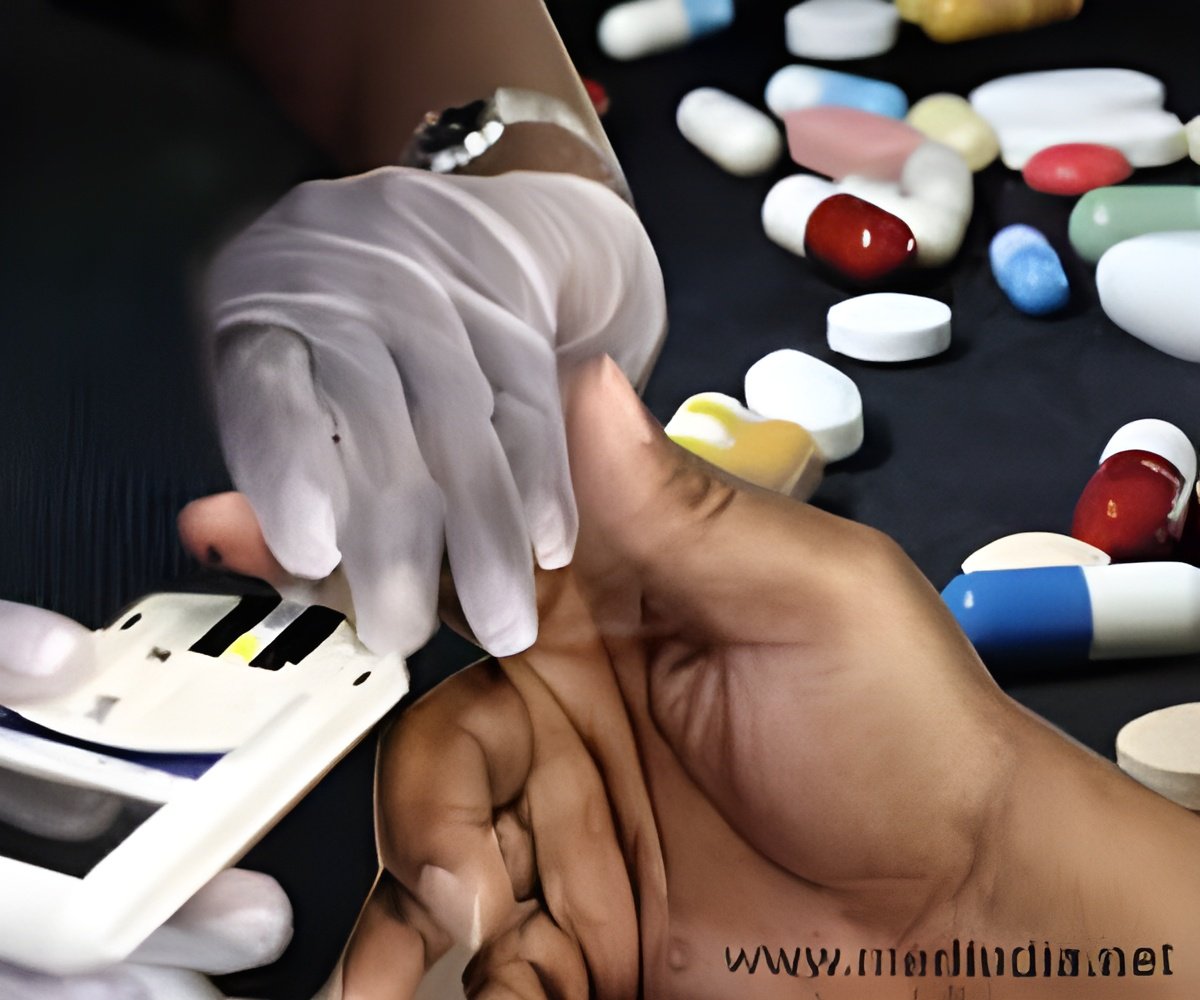
Diabetes screening is done using blood tests like fasting blood sugar and hemoglobin A1c levels. Diabetes affects 8.3% Americans and about 10% Indians.
Diabetes screening is done using blood tests like fasting blood sugar and hemoglobin A1c levels. Diabetes affects 8.3% Americans and about 10% Indians.
‘The bidirectional relationship between diabetes and COVID-19 can be used to understand whether COVID-19 can induce type-1 diabetes or if the acute-onset diabetes is permanent or temporary and whether people who are borderline type-2 develop the disease.’
Read More..Tweet it Now
During the SARS 2002 outbreak, researchers in China had found increased evidence of developing diabetes in affected patients.Read More..
The study published in The New England Journal of Medicine states, “There is a bidirectional relationship between COVID-19 and diabetes. On the one hand, diabetes is associated with an increased risk of severe COVID-19. On the other hand, new-onset diabetes and severe metabolic complications of preexisting diabetes… have been observed in patients with COVID-19.”
Testing in Mice

Coronavirus
Coronaviruses infect animals, humans, and birds. Human coronaviruses, such as SARS, MERS, and 2019-nCoV cause respiratory distress and even death. The S protein is the infectious agent of the virus.
Coronaviruses infect animals, humans, and birds. Human coronaviruses, such as SARS, MERS, and 2019-nCoV cause respiratory distress and even death. The S protein is the infectious agent of the virus.
Possible Mechanism
Advertisement

Coronavirus Threat Will Stay Unless Everyone Immunized, Says Harvard Schola
COVID-19 impact in India is considerable given our huge population as well as population density, said Harvard Scholar.
COVID-19 impact in India is considerable given our huge population as well as population density, said Harvard Scholar.
When COVID-19 patients develop diabetes, there are high levels of sugar and ketones in their body. The insufficient insulin compromises the break down of blood sugar, leading to high levels of sugar. When sugar does not get converted to glucose, the body does not get adequate energy which, then turns to alternate sources like ketones. This leads to ketosis which increases morbidity and mortality in COVID-19 patients.
Advertisement

N95 Respirator Decontamination Method Using Microwave-generated Steam Identified
Researchers have discovered N95 respirator decontamination method using microwave-generated steam.
Researchers have discovered N95 respirator decontamination method using microwave-generated steam.
Source-Medindia