The most comprehensive analysis of research priorities for transgender health care will be published in Current Opinion in Endocrinology, Diabetes, and Obesity.


Lesbian, Gay, Bisexual, Transgender Persons in India - Q&A on 'Coming Out'
Magdalene Jeyarathnam, Director of Center for Counselling, tenders an insightful discussion on the acculturation of Lesbian, Gay, Bisexual and Transgender community and society.
Magdalene Jeyarathnam, Director of Center for Counselling, tenders an insightful discussion on the acculturation of Lesbian, Gay, Bisexual and Transgender community and society.
‘In an effort to better understand transgender health care barriers, a broad spectrum of researchers collaborated to put forth a series of papers.’





This comprehensive analysis of research priorities for transgender health care will be published in the April issue of Current Opinion in Endocrinology, Diabetes, and Obesity.
TransNet was founded to develop a strategy to move transgender research forward. The group identified priority areas for research and, in coordination with the National Institutes of Health (NIH), co-sponsored a research meeting which produced the analysis. The result of the collaboration is a complete review of the literature on transgender medical and health care to date along with identification of priorities to make forward progress.
One goal is to better understand the barriers to health care that transgender individuals face. Research shows that transgender people are not only discriminated against by society as a whole, but by the medical community in particular, and that transgender individuals suffer disproportionate rates of HIV infection, depression (with suicide), anxiety and substance abuse.
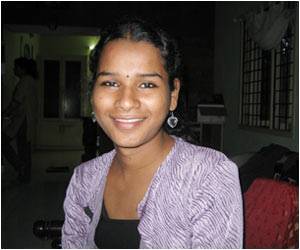
Teenage Transgender Documentary on 'Hope'
Kanchana, is a young transgender woman, who recently showcased her documentary ‘Nambikkai’ meaning Hope. The documentary is about the talents and the human nature of people who are differently abled.
Kanchana, is a young transgender woman, who recently showcased her documentary ‘Nambikkai’ meaning Hope. The documentary is about the talents and the human nature of people who are differently abled.
"Greater understanding of what external factors may be affecting delivery of care to these patients and of the resources needed to deliver care is necessary," explained Safer, who is also the section editor of the publication and Program Director for Endocrinology Fellowship Training at BMC. Data sets need to separate transgender people from the larger LGBTQ population to better understand their specific needs.
Advertisement

Mental Health Concerns of Transgender Population Living in Chennai, South India - A Study
A study on Transgender population in Chennai, reveals a strong need for both Psychologists and Physicians to first understand and accept transgender persons and then improve their general wellbeing.
A study on Transgender population in Chennai, reveals a strong need for both Psychologists and Physicians to first understand and accept transgender persons and then improve their general wellbeing.
Limited research has been done on medical issues that affect the transgender population. For example, while this population is at higher risk for suicide it is unclear whether transgender people (who undergo hormonal and surgical therapies) are at increased risk for cardiovascular death or cancer death.
Advertisement

'Eunuch' No More Theme of Transgender Documentaries
Seven transgender women showcased their skills through their original documentaries in a venture that was jointly presented by ‘Project Kalki’ and The Alliance Française de Madras.
Seven transgender women showcased their skills through their original documentaries in a venture that was jointly presented by ‘Project Kalki’ and The Alliance Française de Madras.
Additionally, sexual function is a medical subject which has previously been taboo in this population and must be studied further. Through this series of publications, TransNet focuses the direction of future transgender medicine research. "By improving the current medical knowledge on health topics that specifically impact the transgender community, we hope to achieve the goal of continually improving the health and outcomes of transgender individuals who receive medical care."
Source-Eurekalert