Meningitis - Causes - Symptoms - Diagnosis - Treatment - FAQs
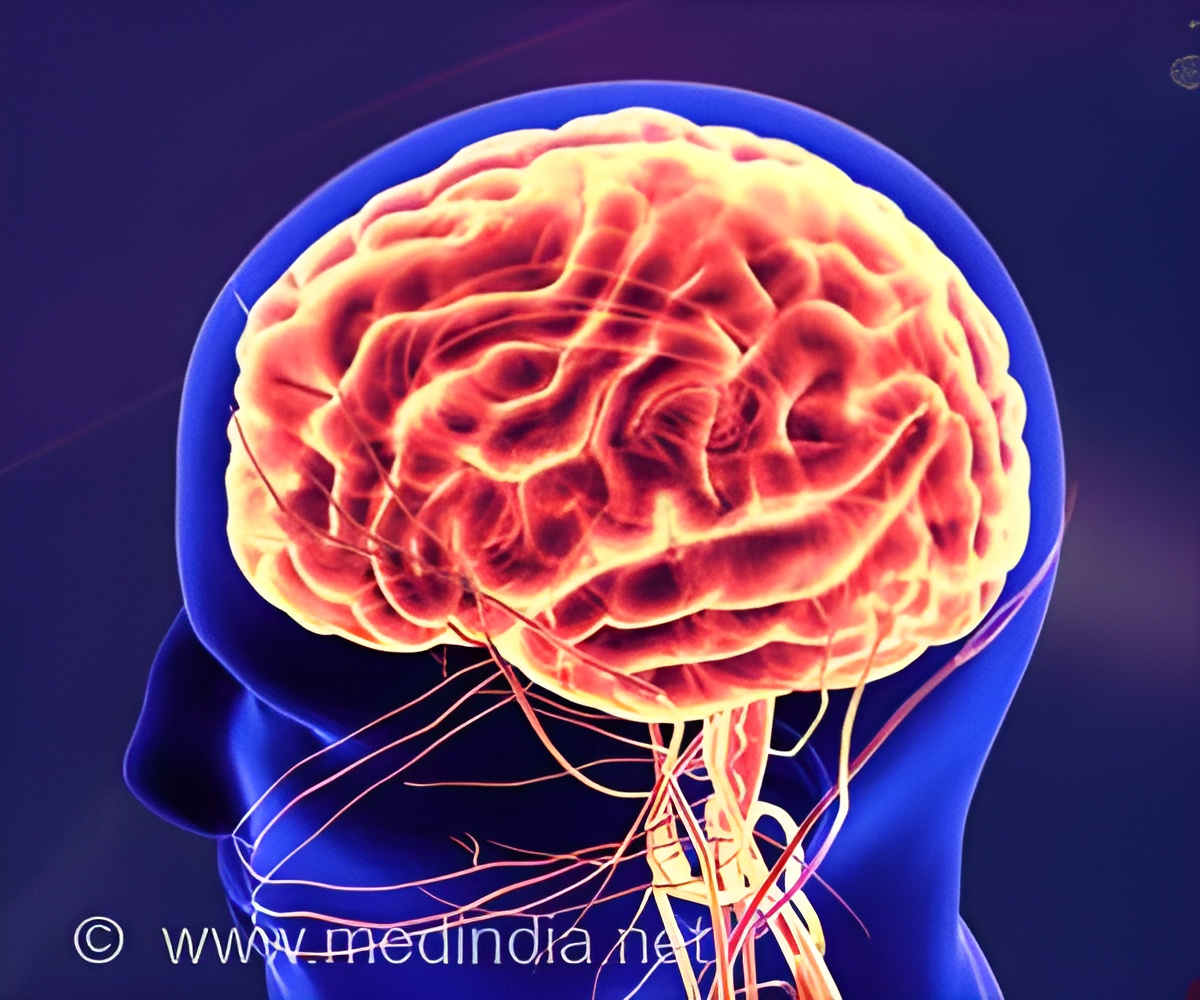
Meninges are the three layers of membrane that cover the brain and infection of the cerebrospinal fluid between them causes meningitis the disease of the meninges.
Meninges are the three layers of membrane that cover the brain and infection of the cerebrospinal fluid between them causes meningitis the disease of the meninges.
‘Viruses are the main cause of meningitis in adults. Diagnosis of meningitis is often delayed due to unnecessary brain scans being performed before spinal tap which is the essential investigation to find out the cause of the illness.’
Tweet it Now
It was found that diagnosis of meningitis is often delayed due to unnecessary brain scans being performed before lumbar puncture - which is the essential investigation to determine the cause of the illness. The majority of patients (81%) had a brain scan and 70% of those took place before lumbar puncture, otherwise known as a spinal tap. Recommendations in national guidelines urge doctors to perform a lumbar puncture within the first hour in patients with suspected meningitis unless the patient has particular symptoms which make it unsafe to. Only 12% of patients studied should have had a brain scan prior to lumbar puncture if the guidelines had been followed.
Cases of bacterial meningitis - the life threatening form of the disease - have significantly reduced over the last few decades following the introduction of vaccines against some of the most common types, and the study found that viral meningitis now accounts for the majority of cases. Being able to quickly determine which bacteria or virus is causing the illness is essential for the appropriate treatment of patients. Antibiotics should be given urgently to those with bacterial meningitis, but not viral meningitis, as viruses don't respond to antibiotics.

Cryptococcal Meningitis - Causes, Risk Factors, Symptoms, Diagnosis, Treatment and Prevention
Cryptococcal meningitis is a fungal infection affecting the coverings of the brain (meninges). It is rare in healthy persons and affects those with poor immunity such as AIDS patients or on immunosuppressive treatments.
Cryptococcal meningitis is a fungal infection affecting the coverings of the brain (meninges). It is rare in healthy persons and affects those with poor immunity such as AIDS patients or on immunosuppressive treatments.
Patients in the new study who were investigated promptly with lumbar puncture were also more likely to have a specific cause of the meningitis identified, and to spend less time in hospital. Overall, the specific virus or bacteria causing the illness was not identified for 43% of patients.
Advertisement

Bacterial Meningitis - Causes, Symptoms, Diagnosis, Treatment & Prevention
Bacterial infection that causes inflammation of the membranes of the brain, is called bacterial meningitis. Effective vaccination helps prevent the condition.
Bacterial infection that causes inflammation of the membranes of the brain, is called bacterial meningitis. Effective vaccination helps prevent the condition.
Dr Mike Griffiths, senior investigator on the study, added, "Diagnosing a specific cause of meningitis quickly is key to getting patients on the right antibiotics, if needed, or avoiding unnecessary antibiotics in those with viral meningitis. Once viral meningitis has been diagnosed, efforts should focus on treatment of the symptoms and expediting discharge from hospital which would be less distressing for patients and ease pressures on the NHS."
Advertisement
World Meningitis Day 2017: Exclusive Interview With PadmaShri Dr. C.U Velmurugendran
World Meningitis Day 2017 is celebrated on 24th April 2017 to rasie awareness about meningitis. Exclusive interview with Dr. C.U.Velmurugendran, neurologist.
World Meningitis Day 2017 is celebrated on 24th April 2017 to rasie awareness about meningitis. Exclusive interview with Dr. C.U.Velmurugendran, neurologist.
"The findings in this study are really significant. It's clear that the time it takes to get a correct diagnosis is having serious consequences and the national guideline is not being followed. Around the world, there is a pressing need for improved rapid diagnostic tests for meningitis. We are supporting research to that aim."
Source-Eurekalert