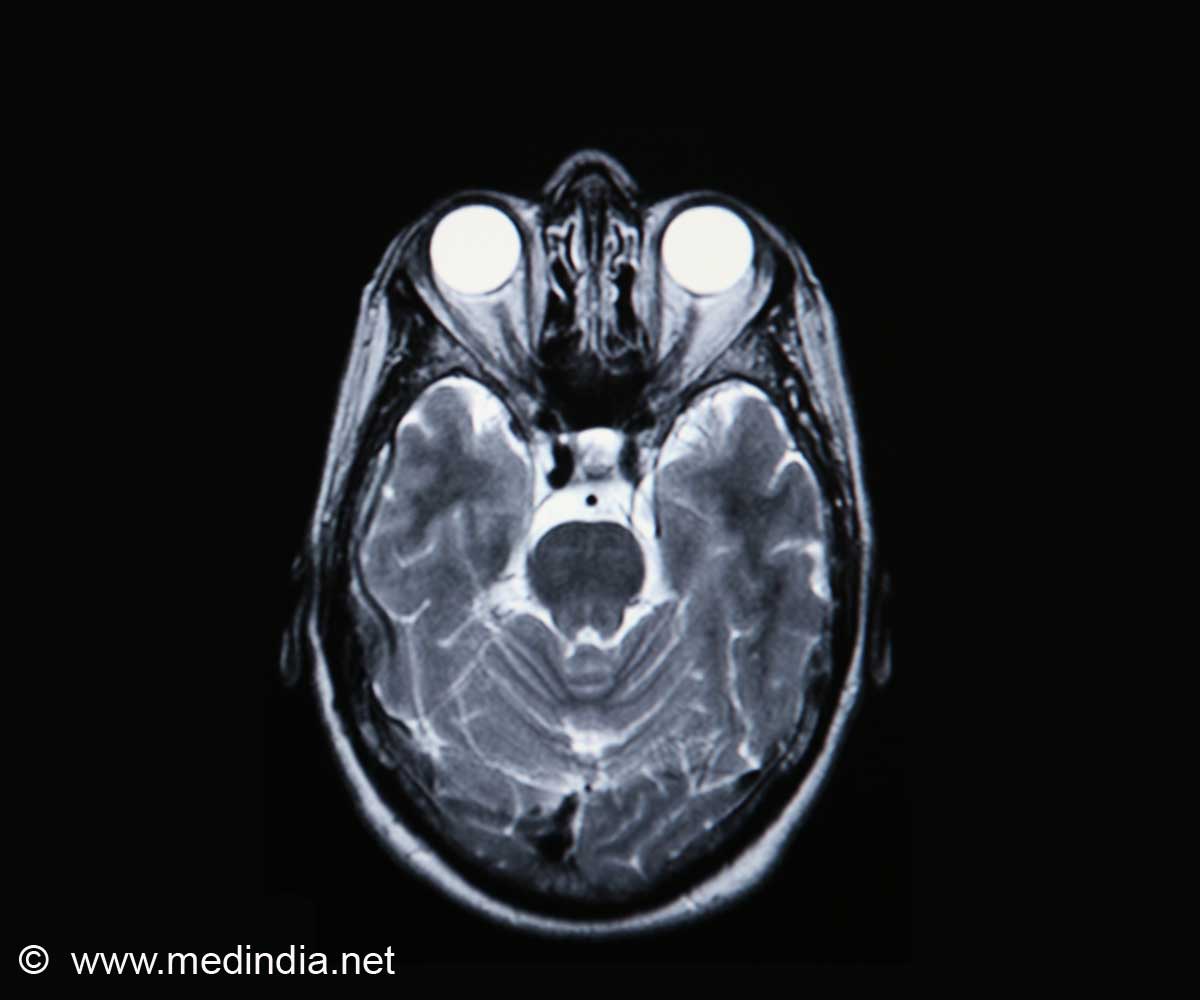

Women With Diabetes At Increased Risk Of Developing Cognitive Impairment
Mental decline usually associated with age, might affect women with diabetes or pre-diabetes more than men say researchers according to a recent
Mental decline usually associated with age, might affect women with diabetes or pre-diabetes more than men say researchers according to a recent
Canadian researchers conducted a review of evidence to understand the efficacy and safety of cognitive enhancers. They looked at 8 randomized trials that compared 1 of 4 cognitive enhancers (donepezil, rivastigmine, galantamine or memantine) to placebo among patients with mild cognitive impairment.
Although they found short-term benefits to using these drugs on one cognition scale, there were no long-term effects after about a year and a half. No other benefits were seen on the second cognition scale or on function, behaviour and mortality. As well, patients on these medications experienced substantially more nausea, diarrhea, vomiting and headaches.
Cancer survivors may have cognitive impairment
People who have survived cancer may have higher risks of having cognitive impairment , suggests a new study.
Researchers from University
People who have survived cancer may have higher risks of having cognitive impairment , suggests a new study.
Researchers from University
Advertisement

Physical Activity Lowers Cognitive Impairment Risk
In older adults, a link is established between regular physical activity and halt in cognitive impairment, find studies.
In older adults, a link is established between regular physical activity and halt in cognitive impairment, find studies.
Source-Eurekalert

A Novel Approach for Treating Cognitive Impairments
A safe and effective way to treat cognitive impairments associated with schizophrenia by enhancing N-methyl-D-aspartate (NMDA) glutamate receptors
A safe and effective way to treat cognitive impairments associated with schizophrenia by enhancing N-methyl-D-aspartate (NMDA) glutamate receptors