About Mosquito Diseases
Mosquito-borne diseases, like malaria, filaria, dengue, etc are common in places conducive of mosquito breeding. Swamps, ponds and stagnated drainage provide optimal breeding ground for mosquitoes.
Mosquito-borne diseases, like malaria, filaria, dengue, etc are common in places conducive of mosquito breeding. Swamps, ponds and stagnated drainage provide optimal breeding ground for mosquitoes.
‘Rates of malaria transmission depend on whether mosquitoes bite humans or animals, and whether they rest after that meal in an area where they will encounter pesticides.’
Tweet it Now
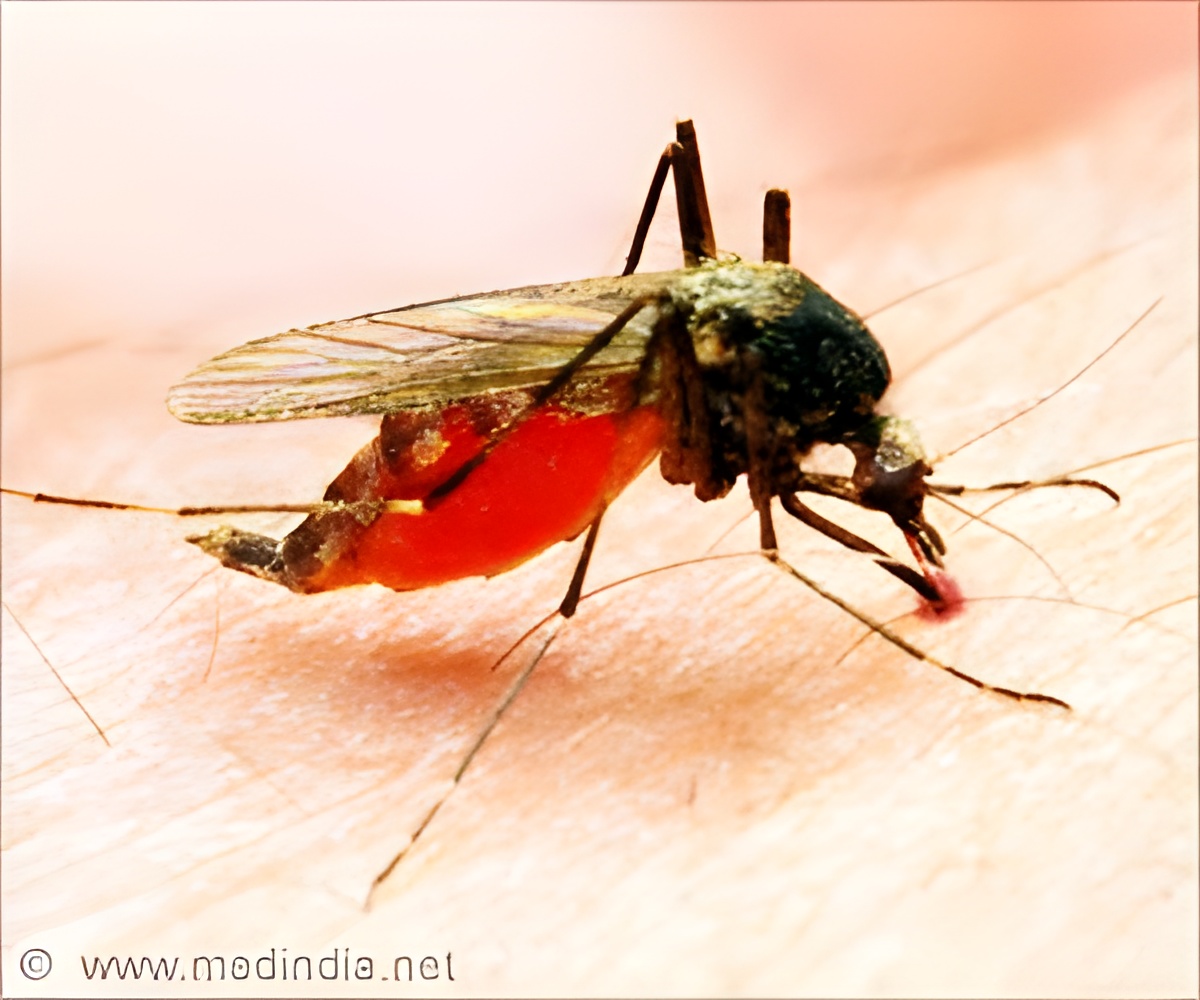
The researchers sequenced the genomes of 23 human-fed and 25 cattle-fed mosquitoes collected both indoors and outdoors from the Kilombero Valley in Tanzania. They identified a genetic component that contributes to the mosquito's host choice, but not its choice of resting place. They narrowed down the gene region associated with cattle feeding to a chromosomal rearrangement called the 3Ra inversion. While the findings provide strong support that the inversion in An. arabiensis is linked to cattle feeding, researchers will need to perform controlled host choice tests across a larger geographic area to confirm the connection.
The study is the first to use genomic tools to find a genetic basis for earlier observations that inversions can be linked to a preference for cattle feeding in mosquitoes. Using genetics to better understand and track mosquito behavior can be used to improve local control strategies. This knowledge may also open novel avenues for stopping malaria's spread, such as genetically modifying mosquitoes to prefer cattle over people.
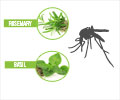
Top 10 Plants that Repel Mosquitoes Naturally
Growing mosquito repellent plants, helps in naturally protecting the area from mosquitoes and pests, thereby reducing incidence of mosquito-borne diseases.
Growing mosquito repellent plants, helps in naturally protecting the area from mosquitoes and pests, thereby reducing incidence of mosquito-borne diseases.
Source-Eurekalert
Chikungunya - Causes, Symptoms, Diagnosis, Treatment. FAQs
Chikungunya is a viral disease spread by mosquito bites; it causes fever, severe joint pain and rash on the body. Chikungunya occurs in Africa, Asia and the Indian sub continent.
Chikungunya is a viral disease spread by mosquito bites; it causes fever, severe joint pain and rash on the body. Chikungunya occurs in Africa, Asia and the Indian sub continent.
Dengue and Dengue Fever - Symptoms, Causes, Diagnosis, Treatment & Prevention
Dengue is a tropical disease caused by mosquitoes carrying the dengue virus. Symptoms include fever, joint & muscle ache, fatigue, nausea and skin rash.
Dengue is a tropical disease caused by mosquitoes carrying the dengue virus. Symptoms include fever, joint & muscle ache, fatigue, nausea and skin rash.