
Childhood Stroke Result of Contraceptive Pill, Smoking
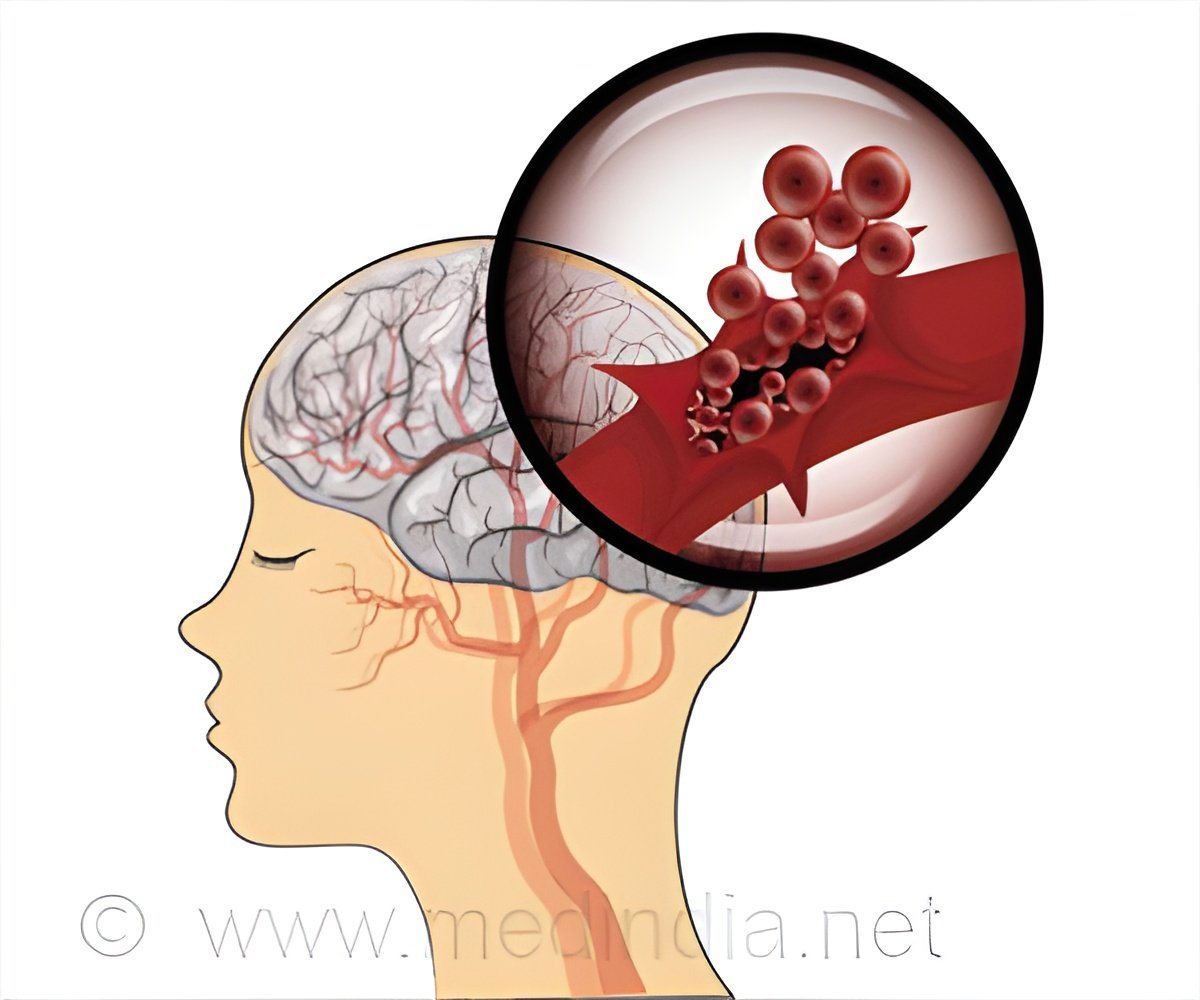
Chidhood stroke has as its risk factor oral contraceptives coupled with smoking or anaemia, researchers say after their study.
Chidhood stroke has as its risk factor oral contraceptives coupled with smoking or anaemia, researchers say after their study.
‘Headache was reported in 6% of children under age three and 46% of those three or older - far higher than the estimated percent of adults who experience headache with an ischemic stroke.’
Tweet it Now
To examine how frequently headache occurs in childhood stroke, and
whether headache pain is related to the reason for the stroke,
researchers examined whether headache was documented at the onset of
clot-caused (ischemic) stroke in 355 children (age 29 days to 18 years)
enrolled in the multi-center Vascular Effects of Infection in Pediatric
Stroke (VIPS) study funded by the National Institutes of Health.Headache was reported in 6% of children under age three and 46% of those three or older - far higher than the estimated percent of adults who Billinghurst noted experience headache with an ischemic stroke.
Researchers note that the younger children may not have been able to communicate if they were having a headache.
Genetic Disorder Causing Strokes and Vascular Inflammation in Children Discovered
Gene variants that cause a rare syndrome of sporadic fevers, skin rashes and recurring strokes that begin early in Childhood have been discovered by researchers of National Institute of Health.
Gene variants that cause a rare syndrome of sporadic fevers, skin rashes and recurring strokes that begin early in Childhood have been discovered by researchers of National Institute of Health.
- 50% of children with definite artery abnormalities related ischemic stroke;
- 3% of children with possible artery abnormalities related ischemic strokes;
- 51% of children with no artery abnormalities related ischemic strokes.
Advertisement
Aquatic Treadmill Found to be More Effective for Stroke Patients
Walking on an underwater treadmill was found to be more effective than walking on a conventional treadmill for patients in rehabilitation after a stroke.
Walking on an underwater treadmill was found to be more effective than walking on a conventional treadmill for patients in rehabilitation after a stroke.
- 70% of children with stroke caused by a blood vessel tear (dissection);
- 70% of those with non-progressive narrowing of the blood vessels (transient arteriopathy of childhood);
- 12% of children with moyamoya disease, a rare cause of progressive blood vessel blockage at the base of the brain; and
- 43% of those with inflammation in blood vessel walls occurring after infection, cancer, or other medical conditions. "It is possible that younger brains have blood vessels that are more easily distended and more likely to activate pain sensors that trigger headache. It is also possible that inflammation - a powerful activator of pain sensors - may be more important in the processes underlying stroke in children than in adults," Billinghurst said.
Advertisement
New 'EVA Park' Technology may Help Improve Language Disorder After Stroke
People suffering from aphasia can improve their communication with the use of a virtual reality world - EVA Park - developed by researchers.
People suffering from aphasia can improve their communication with the use of a virtual reality world - EVA Park - developed by researchers.
"The VIPS study has already shown that inflammation plays a key role in the vascular injury pathway in children with stroke. We will be doing further work to see if there are differences in blood markers of inflammation in those with and without headache at time of stroke."
Although headache was most common in stroke related to blood vessel tears or narrowing, the numbers in this study were too small to suggest that doctors use the presence of headache to determine the stroke cause, according to the researchers.
"We would like to conduct a study of children who enter hospital emergency rooms with headache and suspected stroke to see whether there are characteristics of the headache or other neurologic symptoms that predict whether a stroke will be confirmed on imaging. We would like to develop a predictive formula that can help physicians diagnose stroke more rapidly and enable earlier, perhaps life-saving, stroke treatments," Billinghurst said.
The headache information in the study was limited to whether a doctor or parent reported that a child had a headache at the time of the stroke, so the researchers could not evaluate details such as when headache began, how long it lasted, how it was treated, or whether the child or family members were known to have had migraine headaches in the past.
Source-Eurekalert