Can cell therapy help heart failure? Yes, it reduced the risk of heart attack and stroke and improves the heart ejection fraction of heart failure patients.
Congestive Heart Failure (Congestive Cardiac Failure) Current Management
Congestive heart failure (CHF) is a condition in which the heart fails to work adequately as a pump that can deliver oxygen rich blood to the body.
Congestive heart failure (CHF) is a condition in which the heart fails to work adequately as a pump that can deliver oxygen rich blood to the body.
‘The effect of the cell therapy was synergistic with and additive to state-of-the-art heart failure medications’





Patients in the trial were on full guideline-recommended drug therapy for heart failure, suggesting that the effect of the cell therapy was synergistic with and additive to state-of-the-art heart failure medications. The findings are published in the Journal of the American College of Cardiology. More than 6 million Americans have chronic heart failure, a progressive disease that leads to a weakening of the heart muscle and a loss of its pumping function. Most heart failure drugs address the detrimental changes that occur in the heart as a result of pathways that are activated during heart failure to compensate for poor heart function.
These activated pathways eventually contribute to the progression of heart failure and repeated hospitalizations. Despite advances in therapies targeting these pathways, mortality rates remain high. The unique mechanism of action of MPC appears to provide an alternative approach that has the potential to make a significant impact on the high mortality of this disease.
Successful New Chronic Heart Failure Treatment Using Cell Therapy
This trial was performed at 51 sites in 565 patients with chronic heart failure, who were also on standard-of-care heart failure treatment. The study, which had a mean follow-up of 30 months, was designed to examine the effects of MPC comprising immunoselected, culture-expanded mesenchymal precursor cells (MPCs), on the number of hospitalizations and major adverse cardiovascular events in heart failure.
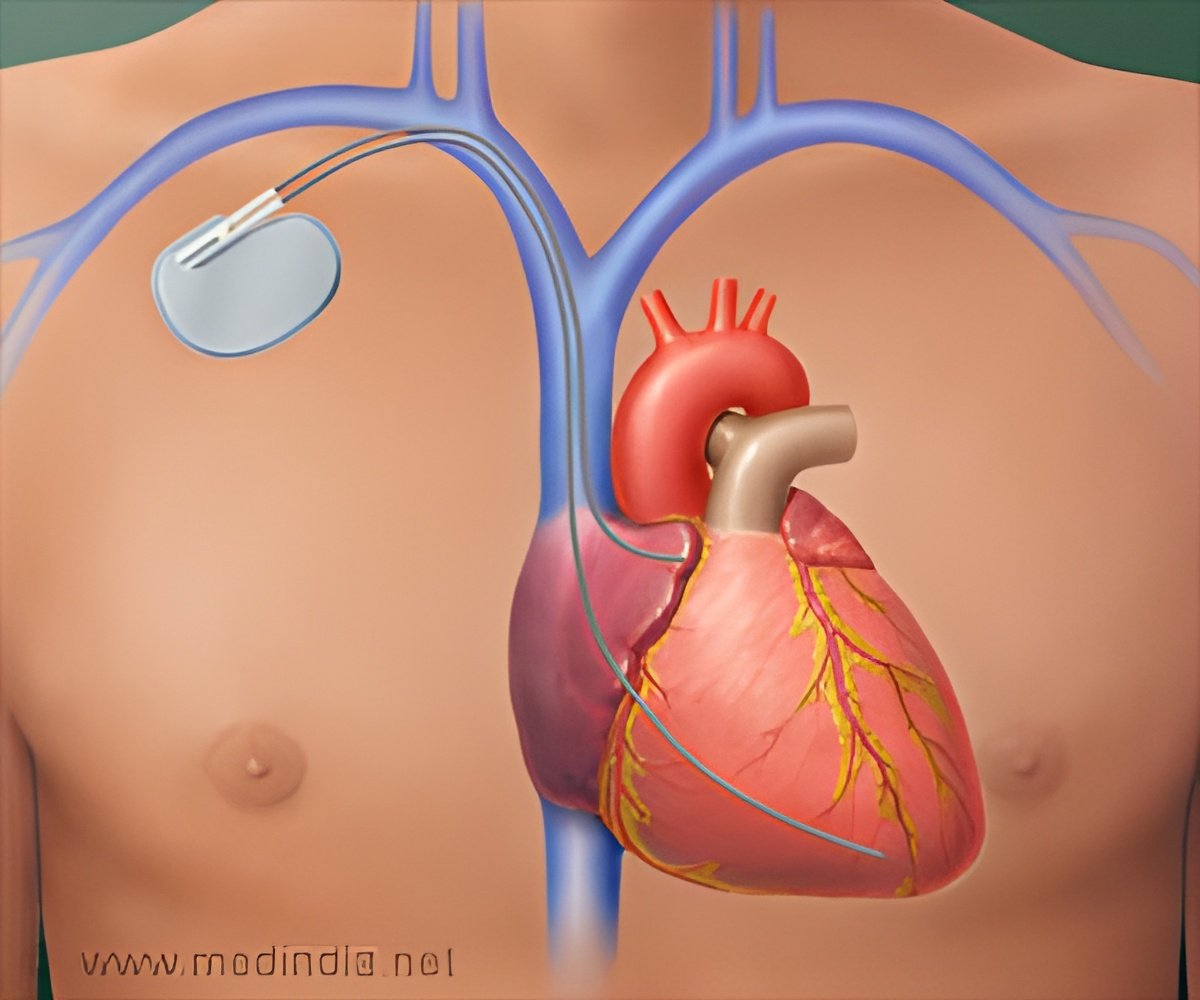
Implantable Cardioverter Defibrillator - Indications, Advantages and Risks
An Implantable Cardioverter Defibrillator is an implantable cardiac device which defibrillates the heart in case of life-threatening arrhythmias.
An Implantable Cardioverter Defibrillator is an implantable cardiac device which defibrillates the heart in case of life-threatening arrhythmias.
MPC-treated patients showed a significant strengthening of the left ventricular muscle within the first 12 months as measured by an increase in left ventricular ejection fraction, which measures the heart’s pumping ability and is one of the metrics used to assess overall heart function.
Advertisement
Safety of COVID-19 mRNA Vaccines for Heart Failure Patients
Is COVID-19 vaccine safe for heart patients? Yes, COVID-19 mRNA vaccines are linked to a decreased risk of death in heart failure patients.
Is COVID-19 vaccine safe for heart patients? Yes, COVID-19 mRNA vaccines are linked to a decreased risk of death in heart failure patients.
Similarly, to what was seen with these major adverse cardiovascular events, improvement in ejection fraction was even more pronounced in patients with higher inflammation levels.
Advertisement

Single Life can Take a Toll on Your Heart
Men who don't get married are more likely to die of heart ailments
Men who don't get married are more likely to die of heart ailments
Current Status of Stem Cell Therapy in Heart Failure
The results are an important step in understanding how cell therapy provides benefits in patients with chronic heart failure due to poor pump function. The cells appear to work by reducing inflammation, increasing microvascular flow, and strengthening the heart muscle.Locally, in the heart, the MPCs can protect cardiac muscle cells from dying and can improve blood flow and energetics. In large blood vessels throughout the body, the reduced inflammation resulting from the activation of MPCs may decrease plaque instability, which is what leads to heart attacks and stroke.
The findings of long-term improvements in outcomes for patients with chronic heart failure due to low ejection fraction and poor pump function are important milestones in the field of cell therapy for cardiovascular disease.
The results help in identifying those heart failure patients with inflammation who are at greatest risk and most likely to benefit from MPC therapy and findings will be confirmed in future studies. This seminal trial sets the stage for eventually adding cell therapy to the treatment arsenal for heart failure.
For millions of people in the United States over the age of 20 who suffer from heart failure, MPC therapy could change the future of cardiovascular care for patients with heart failure due to inflammation.
Source-Eurekalert