Caesarean Section Deliveries in India Has Gone Up from 10% to 30%
The caesarean section is a globally recognized maternal health-care indicator.
The caesarean section is a globally recognized maternal health-care indicator.
‘If there are no complications with pregnancy or labour, a vaginal birth is safer than a caesarean birth. Vaginal birth also makes future pregnancies and fertility safer.’
Tweet it Now
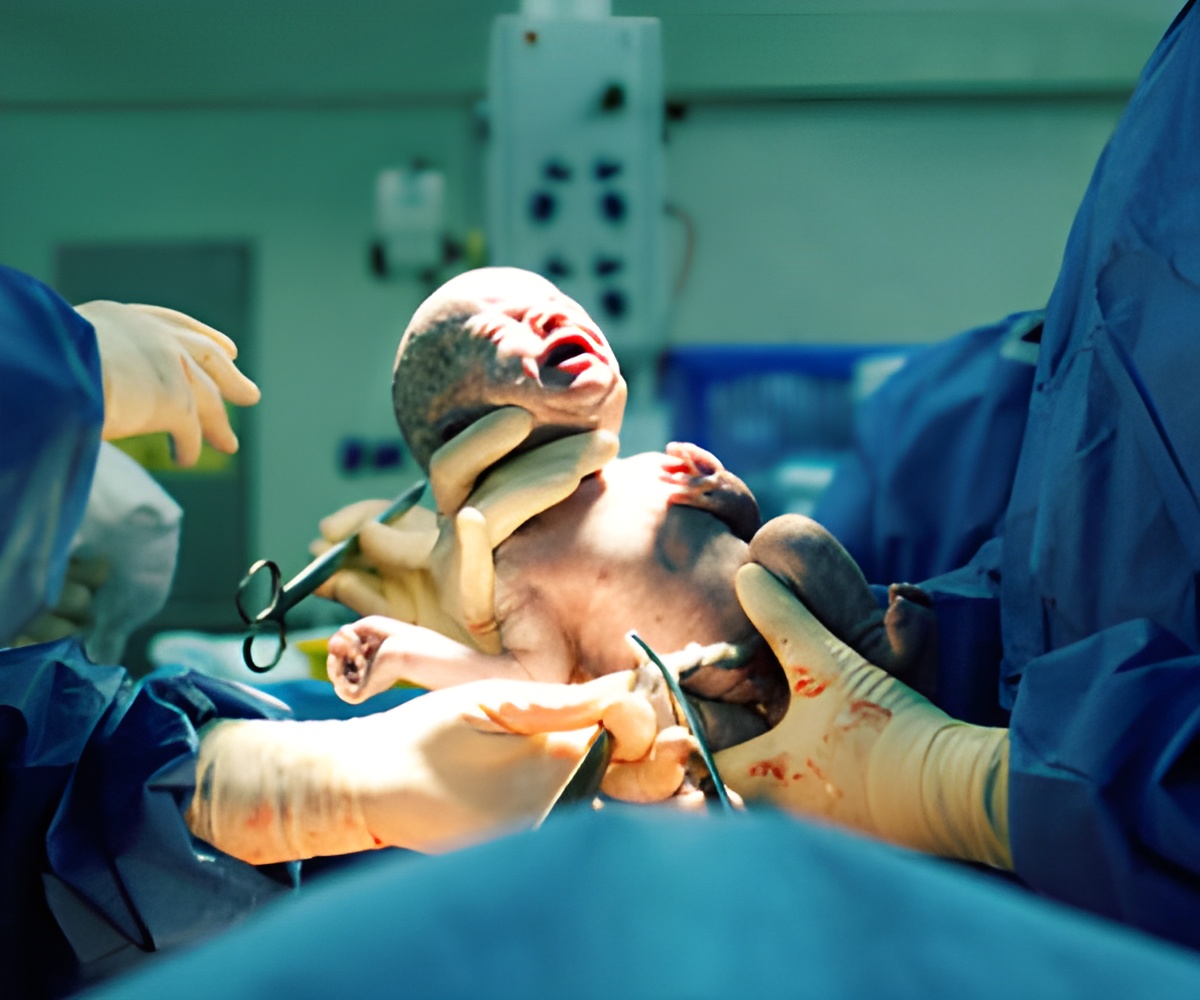
Medical science says that if there are no complications with pregnancy or labour, a vaginal birth is safer than a caesarean birth. Vaginal birth also makes future pregnancies and fertility safer. According to the World Health Organisation (WHO), until 2010, caesarean sections were limited to 8.5 percent of all deliveries in India. "But in the last decade or so, the numbers have escalated in many parts of the country, reaching as high as 41 percent of deliveries in Kerala and 58 percent in Tamil Nadu," it said.
Bandita Sinha, gynaecologist and fertility specialist at World of Women, a leading medical centre for gynaecology cases, said: "The alarming factor is that the recommended level of caesarean deliveries by WHO is 10-15 percent. The sudden increase in the number of caesarean sections is visible in both urban and rural areas."

Caesarean Births may be Impacting Human Evolution
Continuous usage of caesarean sections may be impacting human evolution as more mothers now need surgery to deliver a baby due to their narrow pelvis size.
Continuous usage of caesarean sections may be impacting human evolution as more mothers now need surgery to deliver a baby due to their narrow pelvis size.
According to Sinha, there are various indications of a caesarean delivery, like contracted pelvis, where if the size of the baby is not proportionate to the size of the birth canal, normal delivery becomes difficult.
Advertisement

Pre-labour Caesarean Delivery Linked to Acute Lymphoblastic Leukaemia
A potential correlation between pre-labour caesarean delivery (PLCD) and acute lymphoblastic leukaemia could offer new targets for cancer prevention research.
A potential correlation between pre-labour caesarean delivery (PLCD) and acute lymphoblastic leukaemia could offer new targets for cancer prevention research.
Gauri Gore, gynaecologist at city-based Zen Hospital, said: "Sometimes, the caesarean-section becomes risky if the mother has genital herpes. So, it has to be ensured that the mother's infection does not pass on to the baby."
Advertisement
Three Women Die After Caesarean Section at Government Hospital in Odisha
The condition of three women who underwent caesarean section deteriorated suddenly after taking medicines, and they died after a bout of severe vomiting.
The condition of three women who underwent caesarean section deteriorated suddenly after taking medicines, and they died after a bout of severe vomiting.
Source-IANS