
Anti-Ageing and Benefits of Red Wine-Starve and Live Long-Resveratrol Benefits
Ageing process has always been an enigma. Recent research indicates that red wine could delay the process.
Ageing process has always been an enigma. Recent research indicates that red wine could delay the process.
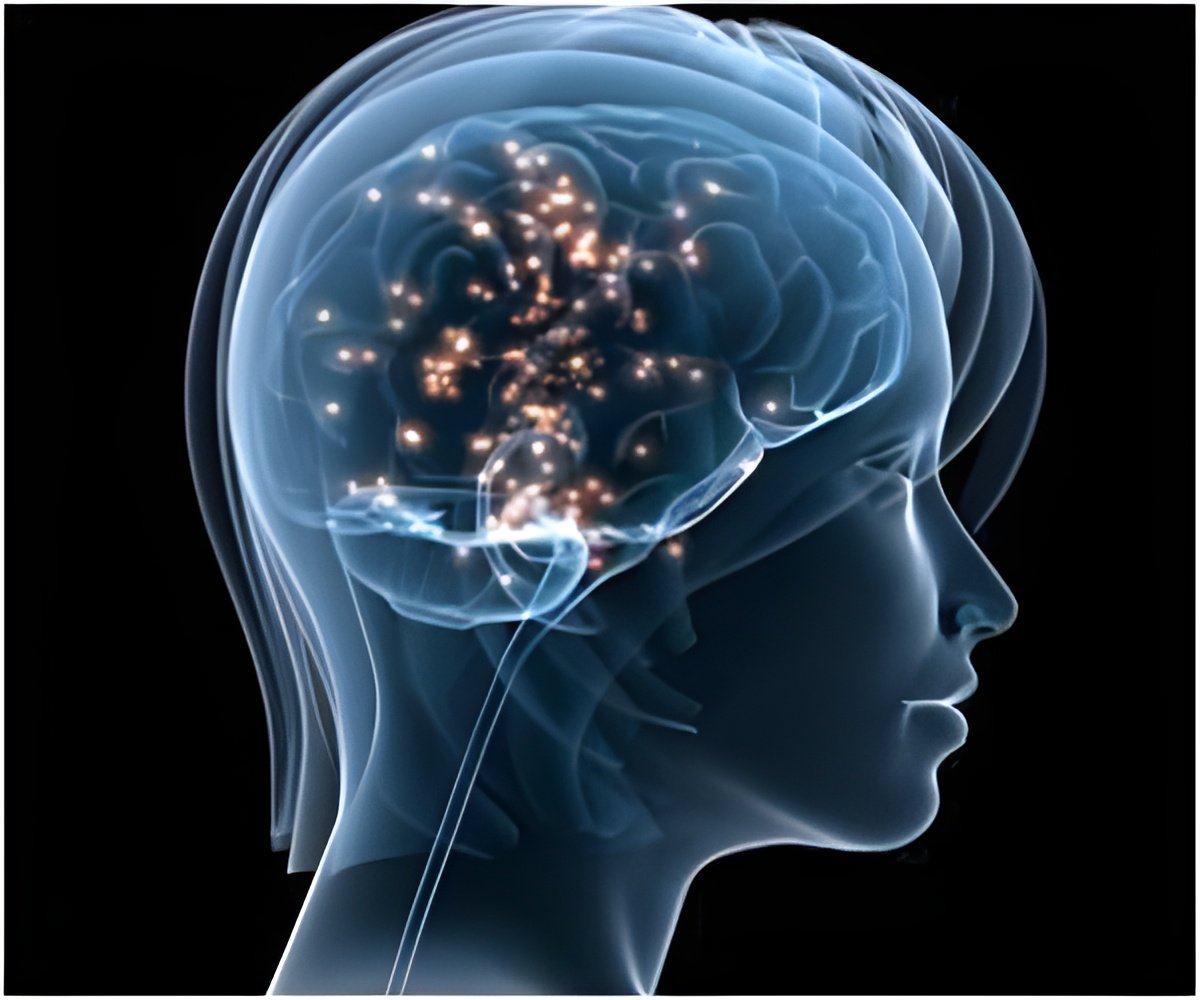
Now, this research explains that in fact ageing in neurons follows exactly the same rules as in senescing fibroblasts.
Professor von Zglinicki, professor of Cellular Gerontology at Newcastle University said: "We will now need to find out whether the same mechanisms we detected in mouse brains are also associated with brain ageing and cognitive loss in humans. We might have opened up a short-cut towards understanding brain ageing, should that be the case."
Quiz on Brain
The human brain is exquisitely intrinsic and is the seat of all emotions. If you are curious about what makes you bad, sad, silly or glad this quiz on the brain will satiate you.
The human brain is exquisitely intrinsic and is the seat of all emotions. If you are curious about what makes you bad, sad, silly or glad this quiz on the brain will satiate you.
Source-Eurekalert

Brain Depression
Interactive section of Medindia provides information about chemistry of Brain depression
Interactive section of Medindia provides information about chemistry of Brain depression
Bees Endowed With Ability to 'Turn Back Time' And Reverse Brain Ageing
Elderly honeybees efficiently reverse brain aging while they assume nest responsibilities in general dealt with much younger bees, discover scientists at Arizona State University.
Elderly honeybees efficiently reverse brain aging while they assume nest responsibilities in general dealt with much younger bees, discover scientists at Arizona State University.