
Atrial Fibrillation - Causes, Symptoms, Diagnosis, Treatment, Complication, Risks
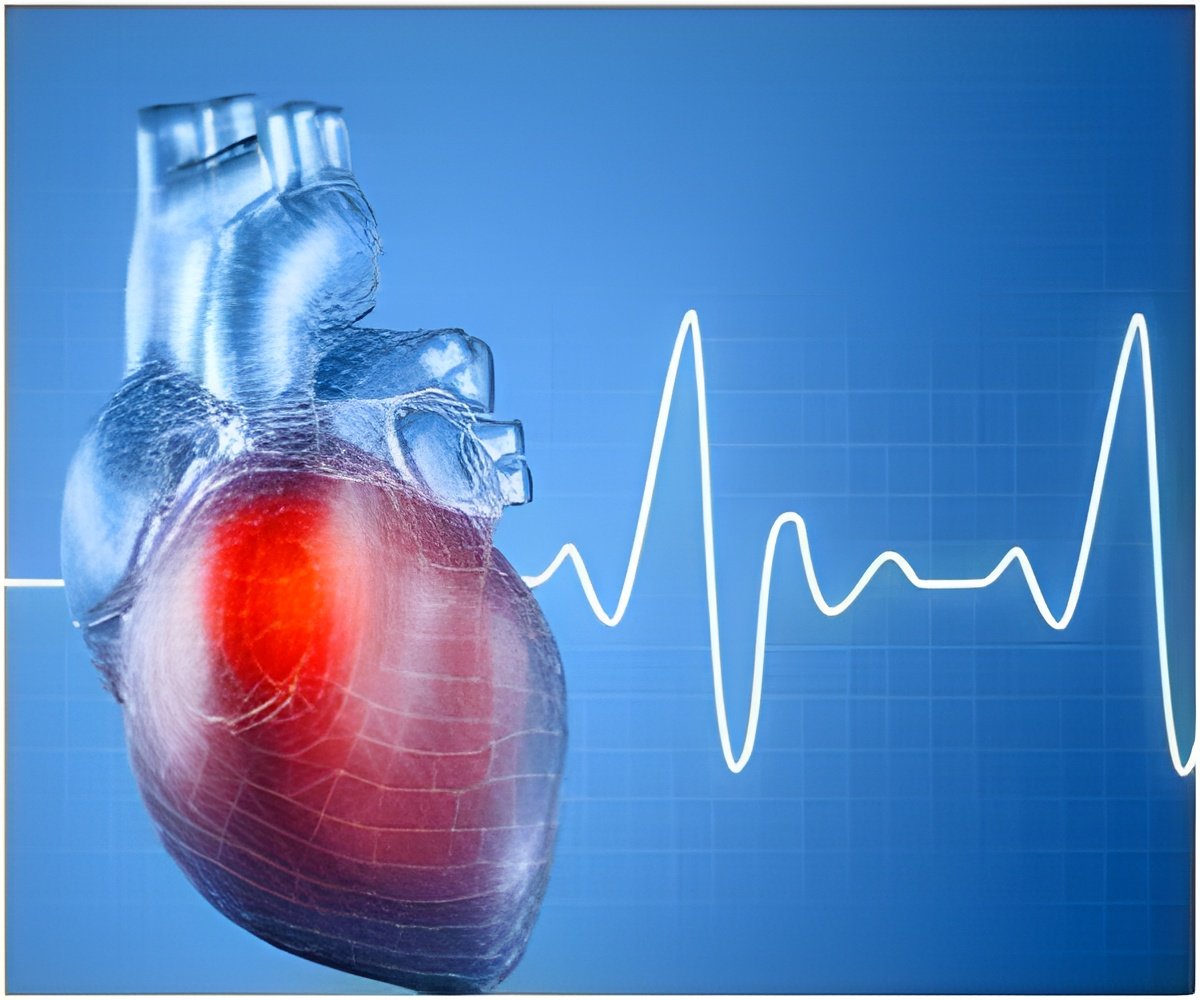
Atrial fibrillation may not be life-threatening in itself but it is important to understand the causes, symptoms and treatments because of the risk of life-threatening complications.
Atrial fibrillation may not be life-threatening in itself but it is important to understand the causes, symptoms and treatments because of the risk of life-threatening complications.
For the study, researchers randomly assigned 60 patients to receive Botox or saline injections. 30 days after surgery, it was observed that patients who received Botox injections during heart bypass surgery had a 7% chance of developing AF, compared to 30% chance in those who received saline. One year after surgery, none of the patients who received Botox had AF, compared to 27% of those who received saline.
No complications from the Botox injections were reported. But complications from the bypass surgery were similar in both groups.

Cardiac Pacemaker for Abnormal Heart Rhythms – Types, Advantages & Risks
A pacemaker stimulates the heart with electrical signals when it detects arrhythmias of the heart. Pacemakers are classified based on the number of lead electrodes used and the type of pacing involved.
A pacemaker stimulates the heart with electrical signals when it detects arrhythmias of the heart. Pacemakers are classified based on the number of lead electrodes used and the type of pacing involved.
Source-IANS
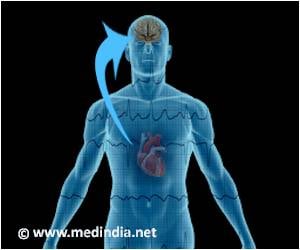
Silent Atrial Fibrillation Increases Risk of Stroke
People suffering from subclinical atrial fibrillation, as detected by a pacemaker or defibrillator, are at an increased risk of suffering from stroke, according to the ASSERT study.
People suffering from subclinical atrial fibrillation, as detected by a pacemaker or defibrillator, are at an increased risk of suffering from stroke, according to the ASSERT study.
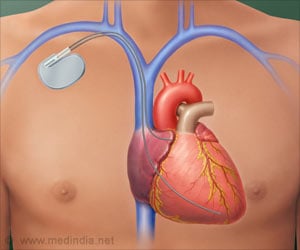
Pacemaker-Checks are Good to Identify Atrial Fibrillation and Ward Off Stroke
One-third of people with atrial fibrillation do not know they have it so we need to use all of the tools available to recognize it.
One-third of people with atrial fibrillation do not know they have it so we need to use all of the tools available to recognize it.