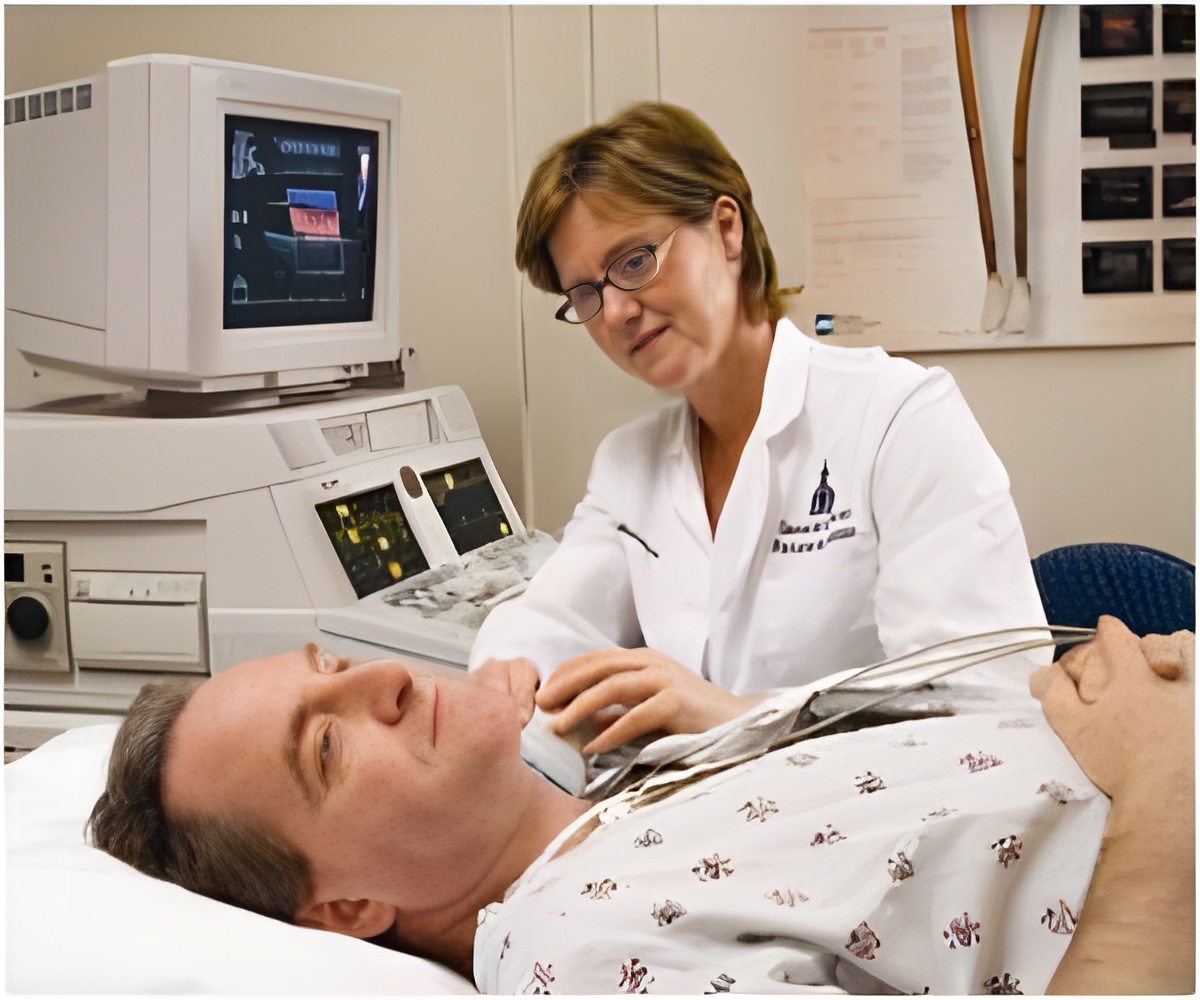

A Test to Detect an Autoimmune Disease
The immune system tends to wrongly identify its 'enemy' in autoimmune diseases,and produces antibodies that attack the patients's own cells.
The immune system tends to wrongly identify its 'enemy' in autoimmune diseases,and produces antibodies that attack the patients's own cells.
‘T follicular regulatory cells (Tfr) inhibit follicular helper T cell which mediated antibody production. The mechanisms by which Tfr cells exert their key immunoregulatory functions are largely unknown.’
Tweet it Now
It was a surprise to find an increase of these type of cells in patients with excessive antibody production. In fact, the results now published in Science Immunology, were the opposite of what the team was expecting. To understand the reason behind such unexpected results the researchers studied different biological samples. For instance, comparing Tfr cells in the blood and in the tissues where antibodies are produced (tonsils obtained from children subjected to tonsillectomies), provided evidence that blood Tfr cells are immature, not able to fully suppress antibody production. Such immaturity was confirmed by studying blood samples from other patients with genetic defects. Furthermore, exposure of healthy volunteers to flu vaccine led to an increase in blood Tfr cells, in line with their generation during immune responses with antibody production.
Blood circulating Tfr cells are distinguished from other circulating lymphocytes by two molecular markers, CXCR5 and FOXP3, the first of which endows these cells with the ability to migrate into specific zones of lymph nodes where they may complete maturation and regulate antibody production.

High Tech Microscope Used to Find Clues of an Autoimmune Disease
Scientists were trying to visualize antibodies that cause neuromyelitis optica (NMO), a rare autoimmune disorder that results in paralysis and blindness.
Scientists were trying to visualize antibodies that cause neuromyelitis optica (NMO), a rare autoimmune disorder that results in paralysis and blindness.
Source-Eurekalert

Neutrophil Protein Destruction Linked to Life-Threatening Autoimmune Disease
Breakdown of the neutrophil protein can cause autoimmune diseases of the blood vessels, reveals study.
Breakdown of the neutrophil protein can cause autoimmune diseases of the blood vessels, reveals study.

Autoimmune Diseases are Associated With an Increased Risk of Dementia
Autoimmune disorders caused by the body’s immune system were found to be associated with a heightened risk of dementia.
Autoimmune disorders caused by the body’s immune system were found to be associated with a heightened risk of dementia.