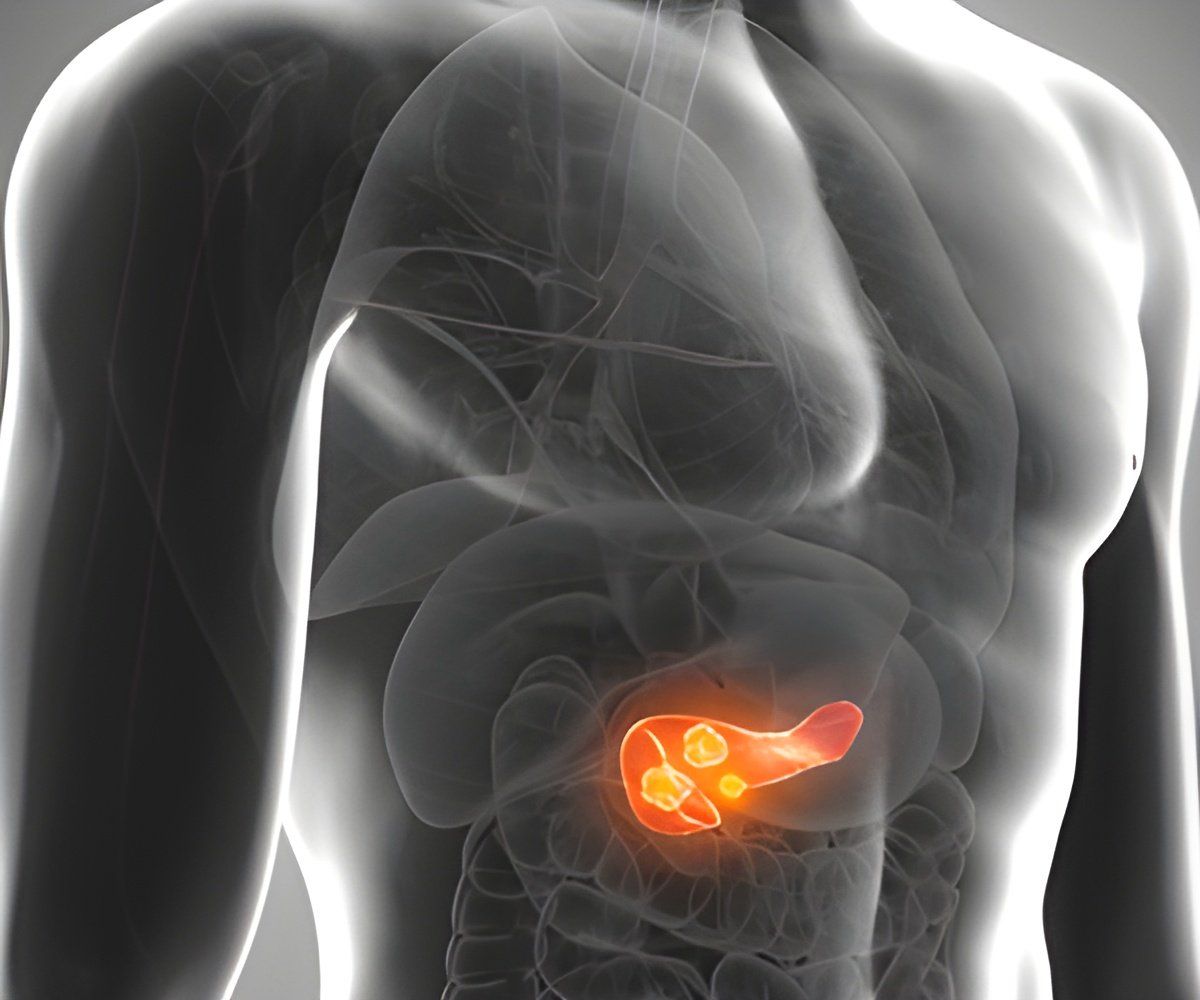
Combination of intensive chemotherapy, radiation therapy and antihypertensive drug losartan allows surgical removal of previously unresectable pancreatic tumors.
‘Locally advanced pancreatic cancer has been considered an incurable disease. The new study marked a dramatic improvement with respect both to rates of conversion to surgical resectability as well as to the long-term disease outcomes.’
Read More..




The most novel element of the trial - use of the antihypertension drug losartan - builds on findings of co-author Rakesh K. Jain, PhD - director of the Steele Laboratories for Tumor Biology in the MGH Department of Radiation Oncology - and his colleagues. Those studies found that losartan, which targets the angiotensin signaling pathway, improved the delivery of chemotherapy drugs in animal models of breast, pancreatic and ovarian cancer.Read More..
It does so by relieving pressures in the tumor microenvironment that physically block drug delivery and reduce the supply of oxygen, which is required for the tumor-killing effects of radiation therapy. Those studies also found that cancer patients who happened to be taking losartan or similar drugs for hypertension tended to live longer than others receiving the same sorts of cancer therapies.
From August 2013 through July 2017 the study enrolled 49 MGH Cancer Center patients with previously untreated LAPC. All participants received chemotherapy with a combination of fluorouracil, leucovorin, oxaliplatin and irinotecan (FOLFIRINOX) over a four-month period, during which they also took daily doses of losartan.
After CT scan evaluation to determine whether or not blood vessels were still involved in the tumors, patients who no longer had vascular involvement received a short course of proton-beam radiation therapy, while those whose tumors still included major blood vessels had a longer course of conventional radiation therapy. Both groups received capecitabine chemotherapy during this period.
After completing the chemoradiotherapy stage, 34 of the 49 participants were able to have their tumors removed, with 30 of those procedures successfully eliminating all evidence of cancer around the tumor. A pathologic complete response - which signifies no tumor found anywhere - was achieved for three patients. Analysis of circulating biomarkers throughout the course of the study found significant drops in the expression of TGF-β, a key element in the angiotensin-signaling pathway, indicating that losartan was having its desired effect. Both the time until recurrence and the overall survival time were significantly longer than what has previously been seen in LAPC patients.
Advertisement
Co-lead author Jennifer Wo, MD, of the MGH Department of Radiation Oncology adds, "Locally advanced pancreatic cancer has been generally considered an incurable disease, so these results mark a dramatic improvement with respect both to rates of conversion to surgical resectability and to long-term disease outcomes.
Advertisement
Pancreatic Cancer - All About the Disease, its Diagnosis and Management
Pancreatic cancer often involves its exocrine part. It grows aggressively, and often detected late. Treatment options include surgery, radiation and chemotherapy.
Pancreatic cancer often involves its exocrine part. It grows aggressively, and often detected late. Treatment options include surgery, radiation and chemotherapy.
Source-Eurekalert