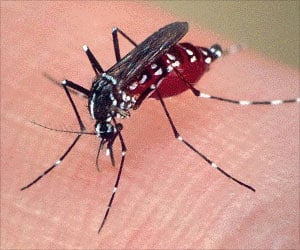

Human Nose Yields New Antibiotic for Bacterial Infections
New bacteria from the human nose produces a new antibiotic compound ‘lugdunin’, for the treatment of MRSA infections.
New bacteria from the human nose produces a new antibiotic compound ‘lugdunin’, for the treatment of MRSA infections.
‘Bacterial species that make efficient use of carbon have far fewer copies of the ribosomal RNA genes.’
Tweet it Now
Microbiomes are the communities of microorganisms that live on and in people, plants, soil, oceans and the atmosphere and maintain healthy function of diverse ecosystems, influencing human health, climate change, food security and other factors.Energy-hoarding bacteria, on the other hand, have far fewer copies of the genes used to make ribosomes, the tiny factories that assemble amino acids into proteins inside cells.
"Much like the tradeoff between power and efficiency in internal-combustion engines, we found that the number of genes that make ribosomes is indicative of ecological strategies of bacteria that favor either rapid or efficient growth," said University of Michigan microbiologist Thomas Schmidt.
Imbalance of Gut Microbes Linked to Deadly Intestinal Disease in Premature Babies
An imbalance of certain gut microbes appears to be the underlying cause of a frequently fatal intestinal illness in premature babies.
An imbalance of certain gut microbes appears to be the underlying cause of a frequently fatal intestinal illness in premature babies.
The results are summarized in a paper scheduled for online publication in the journal Nature Microbiology.
Advertisement

First Public Collection of Bacteria from the Intestine of Mice
One key to obtaining information about the interactions between gut bacteria and their host are mouse models.
One key to obtaining information about the interactions between gut bacteria and their host are mouse models.
In the growth-rate study, Schmidt and his colleagues conducted a comparative analysis of genomes from 1,167 bacterial species. In each genome, they counted the number of copies of the genes that code for the RNA molecules in ribosomes. The number of copies varied from 1 to 15 per bacterial genome.
Advertisement

Quiz on Bacterial Infections
Bacteria the tiny single-celled organisms are responsible for a range of infections. Bacteria can be beneficial as in the case of gut bacteria that help digest food. Bacteria that cause infection are known as pathogenic bacteria and can be treated with appropriate antibiotics. Antibiotic-resistant bacteria become resistant to commonly used antibiotics. Examples of antibiotic-resistant bacteria include Staphylococcus aureus, vancomycin-resistant Enterococcus (VRE) and multi-drug-resistant Mycobacterium tuberculosis (MDR-TB) and Klebsiella pneumoniae carbapenemase-producing bacteria (KPC).
Bacteria the tiny single-celled organisms are responsible for a range of infections. Bacteria can be beneficial as in the case of gut bacteria that help digest food. Bacteria that cause infection are known as pathogenic bacteria and can be treated with appropriate antibiotics. Antibiotic-resistant bacteria become resistant to commonly used antibiotics. Examples of antibiotic-resistant bacteria include Staphylococcus aureus, vancomycin-resistant Enterococcus (VRE) and multi-drug-resistant Mycobacterium tuberculosis (MDR-TB) and Klebsiella pneumoniae carbapenemase-producing bacteria (KPC).
The number of ribosomal RNA genes in bacterial genomes "predicts two important components of reproduction--growth rate and growth efficiency," the authors wrote. "These insights...will be essential if we are to ever manage microbiomes for human and environmental health."
Previous studies showed that soon after the 2010 Deepwater Horizon oil spill, there was a bloom of hydrocarbon-degrading bacteria containing nine copies of the ribosomal RNA genes. In terrestrial environments, bacteria that responded quickest to the addition of 2,4-D, an herbicide that is metabolized by bacteria, had more copies of the ribosomal RNA genes than those that responded slowly.
Source-Medindia