
Asthma - Factors, Common Allergens, Diagnosis, Treatment, Support Groups, FAQs
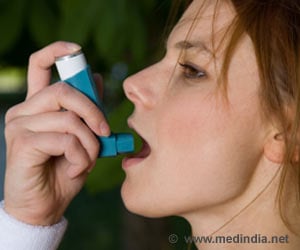
It's a lung condition characterized by inflammation of the bronchi and constriction of the airways that result in coughing, wheezing or breathlessness. Allergy and other airway irritants can trigger it
It's a lung condition characterized by inflammation of the bronchi and constriction of the airways that result in coughing, wheezing or breathlessness. Allergy and other airway irritants can trigger it
‘Underweight and obese women who also drank alcohol and smoked tobacco had a two-fold higher risk of being diagnosed with asthma than women with a healthy body mass index who did not drink or smoke.’
Tweet it Now
The study, published in BMJ Open Respiratory Research, is the first to assess the combined effects of BMI, smoking, drinking alcohol and solid fuel use on the risk of developing asthma. The research included data gathered between 2002 and 2004 from approximately 175,000 people aged 18 to 44, across 51 countries. "Although individual physical and behavioral factors associated with asthma have been examined before, people are often exposed to multiple risk factors so it's important we understand the combined impact," said Dr. Jayadeep Patra, lead author of the study and an epidemiologist at the Center for Global Health Research of St. Michael's Hospital. "Our research found overall increased risk for wheezing and asthma in both men and women, but the magnitude of the combined effects from low or high BMI, smoking and drinking was consistently higher among women than men."
Men showed higher prevalence of smoking and use of alcohol than women, but more women had unhealthy BMIs (underweight or obese) than men, highlighting the greater impact of female BMI as a risk factor.
Dr. Patra also noted there are significant variations in diagnosed asthma between countries, with increasing rates found in low-income and middle-income countries, potentially because of higher exposure to multiple risk factors, including the use of solid fuel.
In low and middle-income countries, solid fuels such as dung, charcoal or wood are used for cooking and are common in many households. These fuels are known to contribute to higher risk of developing respiratory and cardiovascular disease, compared to individuals who cook with gas or electric devices.
Advertisement

Tests for Asthma - Medical and Family History, Diagnosis & Treatment
Do you find it difficult to breathe especially during the cold weather? You may need to get tested for asthma, a respiratory condition that is induced by allergies.
Do you find it difficult to breathe especially during the cold weather? You may need to get tested for asthma, a respiratory condition that is induced by allergies.
Dr. Patra said that the combined effects of identified risk factors have not been sufficiently studied as of yet, with many questions still unanswered. For example, exposure to air pollution or second-hand smoke in lower income countries could contribute to higher rates of asthma and respiratory issues, but this information was not available during the current study.
Advertisement

Respiratory Diseases - Diseases of the Human Respiratory System
Respiratory diseases affect any part of the respiratory system. Some of the lung diseases like chronic obstructive pulmonary disease can lead to respiratory failure.
Respiratory diseases affect any part of the respiratory system. Some of the lung diseases like chronic obstructive pulmonary disease can lead to respiratory failure.
Source-Eurekalert