
Air Pollution - Pollutants - Health Effect - Efforts to Reduce
Nearly 2.4 million deaths every year are attributable to air pollution. Air pollutants may be solid particles, liquid droplets or gases. Proper planning methods should be adopted to reduce air pollution.
Nearly 2.4 million deaths every year are attributable to air pollution. Air pollutants may be solid particles, liquid droplets or gases. Proper planning methods should be adopted to reduce air pollution.
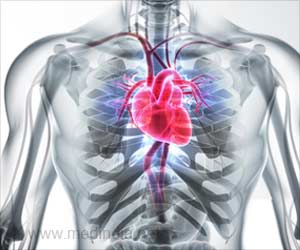
‘Air pollution can have a hugely damaging effect on the heart and circulatory health, potentially contributing to impaired heart function.’
Read More..Tweet it Now
Around 11,000 coronary heart disease and stroke deaths in the UK, each year are attributable to air pollution, specifically due to particulate matter (PM) or small particles in the air that cause health problems. PM2.5 is one of the finest and most dangerous types of PM, is a compound for which the UK has failed to meet EU limits.Read More..
Researchers of this study looked across all vertebrates and particularly focused on a set of compounds that binds to the surface of PM, called polycyclic aromatic hydrocarbons (PAH) as the amount of PAH on PM is associated with the detrimental effect air pollution has on the heart.
While air pollution is known to be dangerous to humans, it actually only became a widely-researched topic in the past five years or so. In marine species, however, the mechanism of how PAH pollution causes heart problems is well understood.
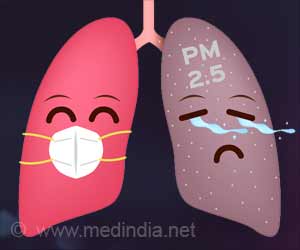
Exposure to Air Pollution Causes Your Lungs to Age Faster and Increases Lung Disease Risk
Exposure to outdoor air pollution causes faster aging of lung tissue, reduce lung function and increase the risk of developing the chronic obstructive pulmonary disease (COPD).
Exposure to outdoor air pollution causes faster aging of lung tissue, reduce lung function and increase the risk of developing the chronic obstructive pulmonary disease (COPD).
Dr. Holly Shiels, senior author on the study, from The University of Manchester said:
Advertisement

World Environment Day - Together, We Can Beat Air Pollution
World Environment Day (WED) observed annually on the 5th June aims to spread awareness about the dangers of environmental pollution and is a wake-up call to all of us to do our part to preserve and protect our environment.
World Environment Day (WED) observed annually on the 5th June aims to spread awareness about the dangers of environmental pollution and is a wake-up call to all of us to do our part to preserve and protect our environment.
Dr. Jeremy Pearson, Associate Medical Director at the British Heart Foundation, which partly funded the research presented in this review, commented:
Advertisement
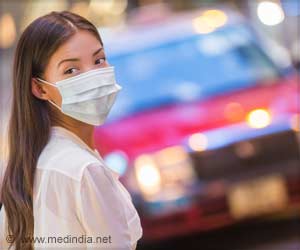
Air Pollution May Affect Your Kidneys
Exposure to polluted air which contains harmful toxins can affect your kidneys. Air pollution may increase the risk of developing chronic kidney disease (CKD).
Exposure to polluted air which contains harmful toxins can affect your kidneys. Air pollution may increase the risk of developing chronic kidney disease (CKD).
Source-Eurekalert