‘While advances in the field of diabetes are providing more information on post-meal blood glucose levels, more research is required to help adults with diabetes set concrete goals.’
Read More..Tweet it Now
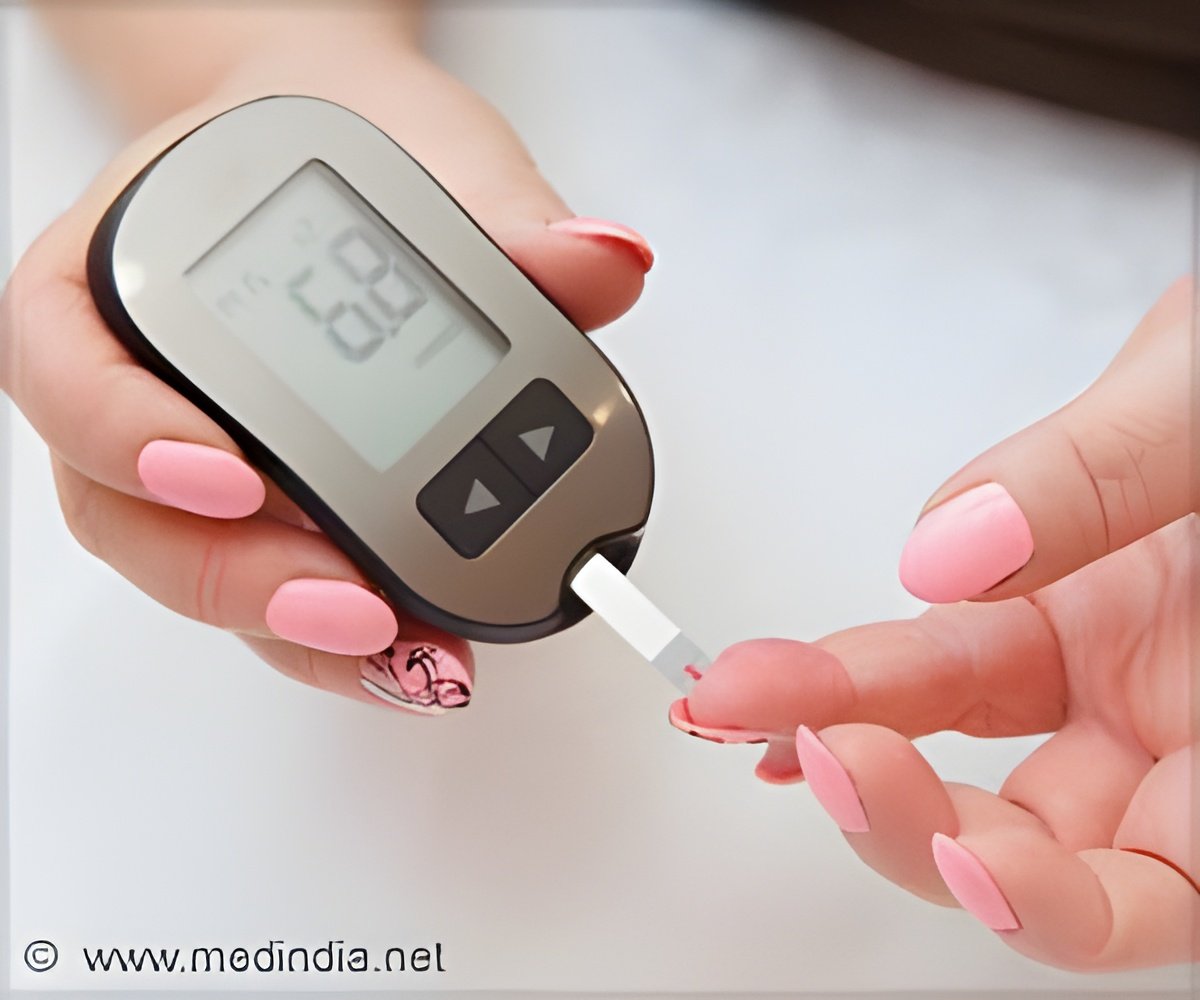
High blood glucose levels after a meal can cause individuals with diabetes to feel sluggish, lead to negative changes in mood and disrupt sleep. Simply seeing a high reading after a meal can fuel an individual’s feelings of fear, anxiety, shame or hopelessness about their ability to manage their blood sugar. Increasing evidence also suggests that difficulty in maintaining control of post-meal blood glucose levels can lead to poorer health outcomes.Read More..
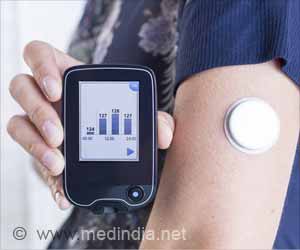
Healthcare providers and individuals with diabetes can take steps to manage these challenges. Advances in the field, including ultra rapid-acting insulins and CGM systems, are offering new avenues to manage post-meal blood glucose levels.
Research suggests making small lifestyle changes can also improve post-meal blood sugar levels. Several small studies found eating protein and/or vegetables 10 to 15 minutes before carbohydrates can lower blood glucose levels. Spending at least 10 minutes walking following a meal also can help with post-meal blood sugar management.

Metformin - Diabetes Drug with New Therapeutic Uses
Metformin, a century old anti-diabetic drug used commonly to bring down blood sugar levels has other therapeutic uses like treating PCOS, aging and obesity.
Metformin, a century old anti-diabetic drug used commonly to bring down blood sugar levels has other therapeutic uses like treating PCOS, aging and obesity.
Growing use of CGMs offers one opportunity to collect and act on real-time data and answer questions about how factors such as meal size, nutrients and timing can affect blood sugar levels after meals.
Advertisement
"We need to continue developing and critically testing intervention strategies that are safe, effective and practical for managing blood sugar levels after meals," Leahy said.
Advertisement