Ovarian Cancer | Cancer in the Ovaries - Causes, Symptoms, Treatment & Prevention
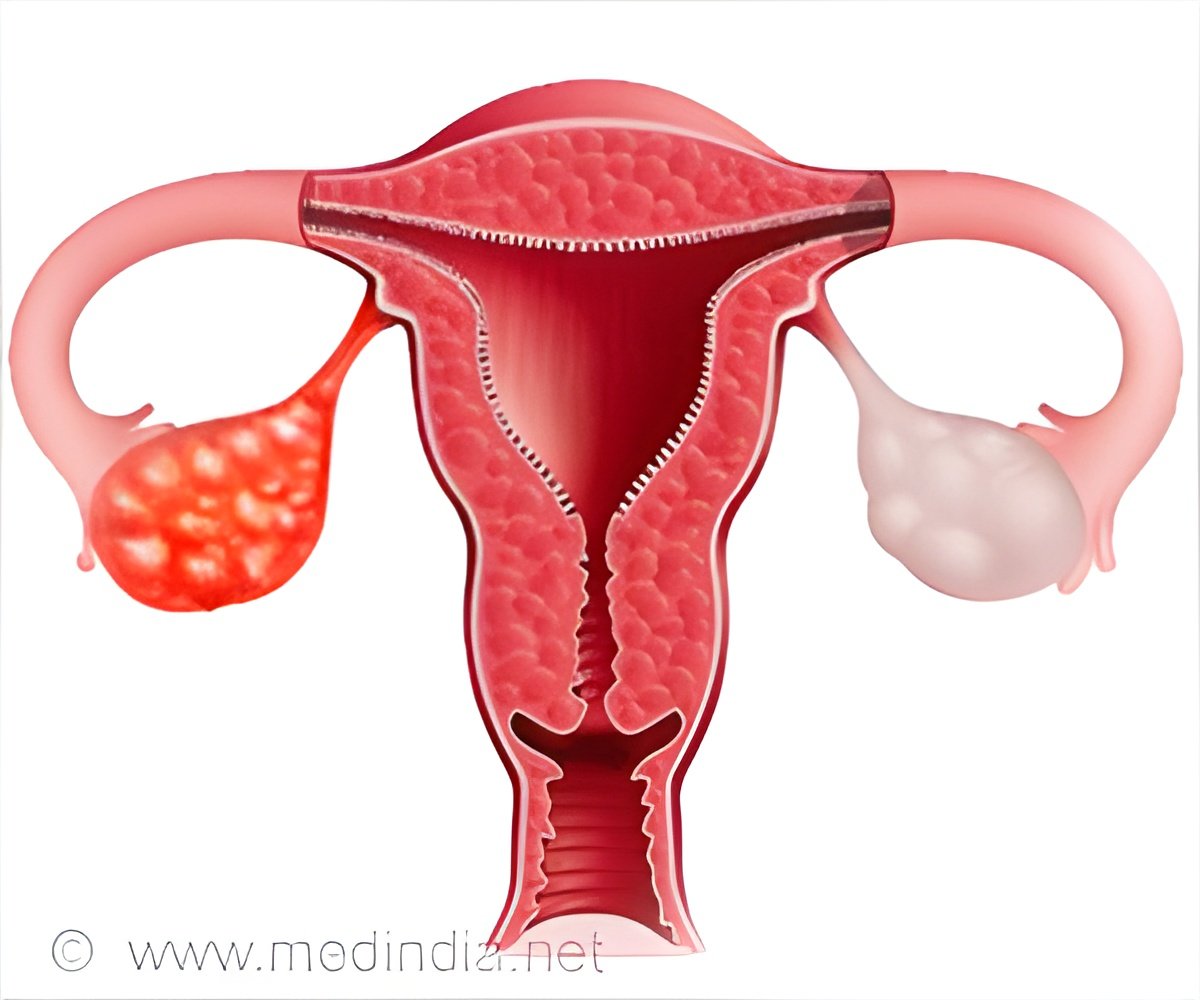
Ovarian cancer affects both the ovaries and is referred to as the 'silent killer' as the symptoms go unnoticed until the disease advances.
Ovarian cancer affects both the ovaries and is referred to as the 'silent killer' as the symptoms go unnoticed until the disease advances.
‘Antimalarial drug seemed to have an exceptional response to cancer patient’s treatment outcome.’
Tweet it Now
But the patient later presented with an advanced and aggressive form of ovarian cancer. Although effective treatments exist, this type of cancer is usually expected to recur within a median of 18 months to 2 years.Dr Muggia's patient surprised her doctors with her immediate and lasting response to the cancer treatment.
Three years on, the patient continues to be disease-free - both from ovarian cancer and dermatomyositis. Follow-up has shown no signs of cancer, and the patient is reportedly symptom-free.

About Cancer in Women
Cancer is one of the frequently talked about and most feared disease that falls under the genre of lifestyle diseases that have evolved, rather rapidly, in the past two decades.
Cancer is one of the frequently talked about and most feared disease that falls under the genre of lifestyle diseases that have evolved, rather rapidly, in the past two decades.
The medical community is becoming increasingly interested in "repurposed" drugs, or drugs that were originally developed for one condition, then found to be useful for other conditions.
Advertisement

What Women Should Know About Gynecologic Cancer
Cancers arising from the organs of the female reproductive tract (uterine, ovarian, cervical, vulval and vaginal cancers) are termed gynecologic cancers.
Cancers arising from the organs of the female reproductive tract (uterine, ovarian, cervical, vulval and vaginal cancers) are termed gynecologic cancers.
Dr Muggia stresses that conclusions cannot be drawn from the example of one patient. "However, the depth of the response of an aggressive high-grade serous ovarian cancer to the initial platinum-taxane doublet, after months of dermatomyositis and treatment with anti-malarial drugs, should encourage further inquiries into the role of autophagy, its subsequent inhibition, and immunity in enhancing responses to [platinum-based] chemotherapy."
Advertisement

Ovarian Cancer Drug Rucaparib Can Treat Pancreatic Cancer Patients With BRCA Mutation
Patients with aggressive pancreatic cancer with BRCA1 and BRCA2 mutations who have few or no other treatment options can benefit from rucaparib drug. PARP inhibitor rucaparib was approved by FDA last month for the treatment of ovarian cancer
Patients with aggressive pancreatic cancer with BRCA1 and BRCA2 mutations who have few or no other treatment options can benefit from rucaparib drug. PARP inhibitor rucaparib was approved by FDA last month for the treatment of ovarian cancer
Dr Muggia adds, "Much remains to be learned about ovarian cancer biology and autophagy. We hope the current report catalyzes additional work in this area."
At the time of publication, Dr Muggia's patient remained disease-free.
Source-Eurekalert