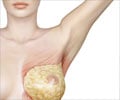
Diagnosis and Treatment of Paget's disease of the breast
Screening by Breast Self Examination: Early detection is important and is achieved by self-examination. It is necessary to check the nipple area of your breasts thoroughly. If you detect a
Breast examination: Doctors examine the breast and look for changes and eczematous skin lesion in the nipple and
Mammogram (breast x-ray): Special X-ray films are used to observe fine calcifications behind the nipple and also other changes in the affected and normal breast
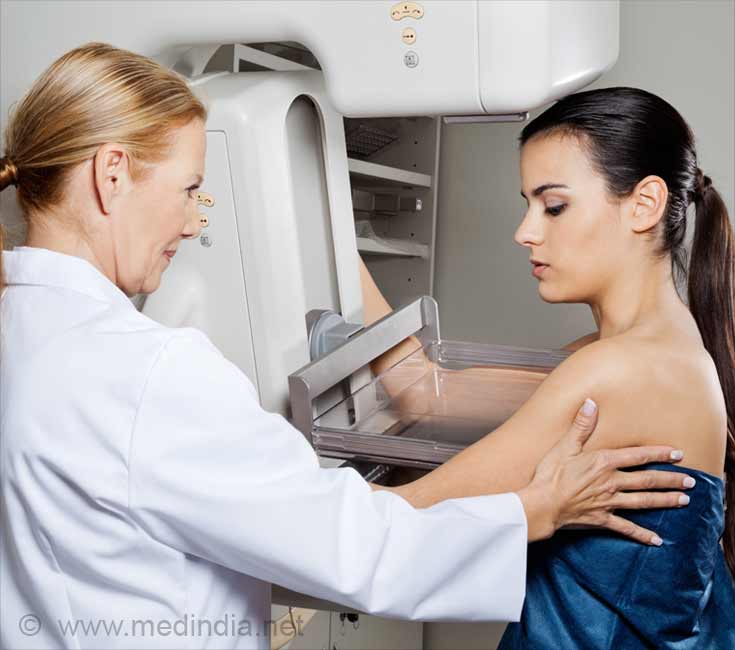
Ultrasound scan: A
Magnetic Resonance Imaging (MRI): This diagnostic tool creates multidimensional detailed pictures of areas inside the breast.
Biopsy (skin punch biopsy technique): This is the main test for confirming cancer cells below the skin surface. A small piece of tissue from the area of the nipple with the abnormal changes and a small amount of skin and underlying tissues is removed and sent to the pathologist. This procedure takes a few minutes to perform under local
Imprint or scrape cytology: It is a
Treatment of Paget's disease of the breast
The treatment modalities are different and depend on the type of the underlying breast cancer.
Surgery: It is the standard treatment for patient's suffering from Paget's disease of the breast. It can be of 2 types
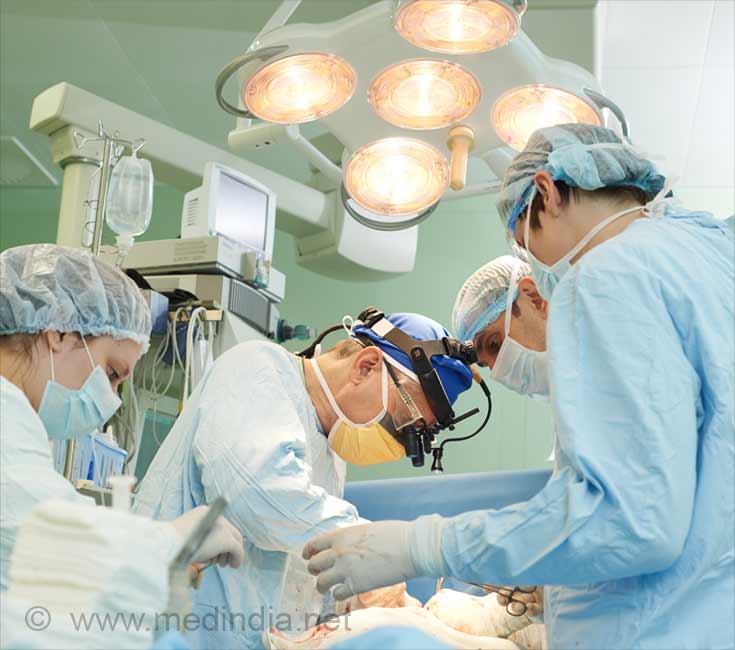
Mastectomy: This is done when the cancer has spread to wide areas and when the patient has a palpable mass. Surgeon removes the breast, some of the lymph nodes under the arm, and the lining over the chest muscles.
Breast conservation surgery: This is done when the underlying cancer is found affecting a small area and is found close to the nipple of the breast. There are a number of types of breast conservation surgery they are nipple excision, wedge excision of the underlying breast and cone excision. The surgeon removes the nipple, areola and an area of underlying normal tissue around it. This surgery is mainly done when patients are reluctant to undergo mastectomy. This is done only if the disease is detected early and has not spread extensively.
After mastectomy the surgeon takes the
Radiotherapy: It uses high energy X-rays to destroy the cancer cells. In case of patient who have undergone breast conservation surgery the remaining breast tissue should be exposed to high-energy radiation.
Chemotherapy: Various cytotoxic drugs are used to destroy the cancer cells.
Hormone therapy: It is mainly used in case of invasive breast cancers. E.g. Tamoxifen and Arimidex.
Alternative therapy: Sometimes patients with breast cancer are treated using cow or shark cartilage. They are give hydrazine sulfate or laetrile; extracts of mistletoe plant were also injected (Gerson therapy).