Medindia » Consumer Health » Health Information » Diabetes - Foot Care - Diabetic Neuropathy and Poor Circulation

Diabetes - Foot Care - Treatment - Prevention

Rating : 3.97 /5 Comments : 2
Rate this Article:

Diabetic Neuropathy  &  Poor Circulation in Diabetes

RSS Feeds   Text 
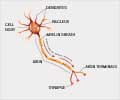
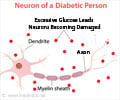
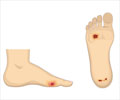
Diabetic Neuropathy - Of the 30% of world Population with diabetes, 75% will develop foot problems related to the disease at some stage. Diabetic foot conditions develop from a combination of causes including poor circulation and neuropathy. Diabetic Neuropathy can cause insensitivity or a loss of ability to feel pain, heat, and cold. Diabetics suffering from neuropathy can develop minor cuts, scrapes, blisters, or pressure sores that they may not be aware of due to the insensitivity. If these minor injuries are left untreated, complications may result and lead to ulceration and possibly even amputation. Neuropathy can also cause deformities such as Bunions, Hammer Toes, and Charcot Feet.
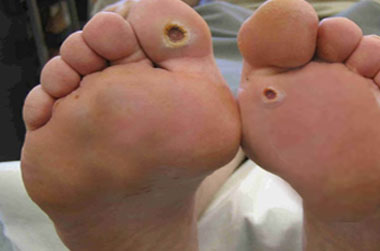
It is very important for diabetics to take the necessary precautions to prevent all foot related injuries. Due to the consequences of neuropathy, daily observation of the feet is critical. When a diabetic patient takes the necessary preventative footcare measures, he or she reduces the risks of serious foot conditions.

Poor Circulation - Diabetes often leads to peripheral vascular disease that inhibits a person’s blood circulation. With this condition, there is a narrowing of the arteries that frequently leads to significantly decreased circulation in the lower part of the legs and the feet. Poor circulation contributes to diabetic foot problems by reducing the amount of oxygen and nutrition supplied to the skin and other tissue, causing injuries to heal poorly. Poor circulation can also lead to swelling and dryness of the foot. Preventing foot complications is more critical for the diabetic patient because poor circulation impairs the healing process and can lead to ulcers, infection, and other serious foot conditions.


Diabetes has been one of the most rapidly progressing problem that approximately is likely to affect almost 20 to 30% of the world Population and is classified into 2 different types: Type 1 and Type 2. Type 1 is usually associated with juvenile diabetes and is often linked to heredity. Type 2, commonly referred to as adult onset diabetes, is characterized by elevated blood sugars, often in people who are overweight or have not attended to their diet properly.

Many complications can be associated with diabetes. Diabetes besides involving the feet can also affect many areas of the body such as the eyes and kidneys.


People with diabetes should pay special attention to their feet.
Advertisement

EmailEmail RSS FeedsRSS Feeds Print this pagePrint Save this pageSave LinkLink SyndicateSyndicate
Share it!

Related Links

Diabetes


A comprehensive article on diabetes - both Type 1 and Type 2 diabetes, including : causes, signsm symptoms, diagnosis, treatment, facts and a ...

Type 2 Diabetes


Globalization and changing lifestyles has made diabetes very common in developing countries so much so that India is known as the Diabetes Capital of ...

Diabetes and Exercise


Regular exercise especially in type II diabetes not only helps reduce the sugar but also reduces the demand for medication by 20% and helps you stay ...

Diabetes - Essentials


Diabetes is a common malady that affects members of both the sexes. Efforts are made to manage the disease through user- friendly gadgets and by ...

Diabetic Diet


The diabetic diet most often recommended is high in dietary fiber (especially soluble fiber) and nutrients, but low in fat (especially saturated fat) ...

Gestational diabetes


The condition is not caused by a lack of insulin, but by the action of hormones produced during pregnancy that blocks the action of insulin. ...

Decoding HbA1c Test for Blood Sugar


The HbA1c assay is the gold-standard measurement of chronic glycemia and measures the amount of glucose that binds to hemoglobin over a period of 3 ...

Insulin Delivery Devices


Insulin delivery devices have evolved drastically since their invention in 1922. They are all aimed to provide insulin to the patients with minimal ...

Diabetes - Self-Monitoring of Blood Glucose (SMBG)


Self-Monitoring Of Blood Glucose (SMBG) is one of the greatest advancements in the management of Diabetes. ...

Diabetic Retinopathy


The term 'diabetic retinopathy' refers to changes in the retina which often occur in people with ...

Diabetes Risk Assessment Calculator


Almost one-third of the people are unaware of the risk factors of diabetes. Find out if you run the risk of diabetes by using Diabetes Risk ...

HbA1c or A1c Calculator for Blood Glucose


Calculate your average blood glucose level for the past three months and learn to control it better. Better control means a longer, and healthier ...

Blood Sugar Chart


The blood sugar chart gives you the fasting glucose values and glucose tolerance test values for normal people and people with early diabetes and ...

Quiz on Diabetes


Diabetes has replaced every other condition to become the fastest growing lifestyle disease, globally. This disease also impacts children. Some ...

Six Staggering Diabetes Facts


There are about 250 million people with diabetes in the world Type 1 diabetes is growing by 3% per year in ...

Top Ten Facts About Diabetes


Top Ten Facts About Diabetes ...

Insulin Injections for Diabetes


Insulin Therapy plays an important role in treating diabetes.Learning about insulin injections can help you better manage your diabetes ...

Type 2 Diabetes


Learn more about Type 2 Diabetes, a disease that is taking the world by ...
Comment & Contribute
Comments should be on the topic and should not be abusive. Comments are normally moderated and are reviewed after they are posted.
* Your comment can be maximum of 2500 characters

Notify me when reply is posted
I agree to the terms and conditions
  
If you have a question about health related issues, you can now post it in our Ask An Expert section on our community website Medwonders.com and get answers from our panel of experts.
Posted by:  ennairam_23  Posted on: 05/28/2011
Many die not from diabetes itself but from complications arising from diabetes.


Posted by:  ennairam_23  Posted on: 05/28/2011
When you're diabetic, you should take extra care about your feet and the rest of your body.


X
Citing this Health Article
The information on Medindia is factual, unbiased and authentic. If you find the content useful - PLEASE INCLUDE A LINK TO THIS PAGE.

Highlight the text, right-click, and select “copy”. Paste the link into your website, email, or any other HTML document.

Latest News/Research of Diabetes - Foot Care
 Statin Use Ups Diabetes Risk
 Fish Oil Supplements may Help Cut Diabetes Risk
 Women Who Smoke During Pregnancy Up Obesity and Diabetes Risk in Baby Girls
 Clinical Trial to Find Out If Type 2 Diabetes can be Prevented Through Medication
 Diabetes Drug Tested in Patients With Parkinson's Disease
 Needleless Acupuncture Therapy Shows Promising Results for Diabetic Patients
 In Prediabetes, Treatment of Sleep Apnea Improves Glucose Levels
 Cure for Type 1 Diabetes Comes Closer to Reality
 After Cancer, Diabetes Drug may Not Improve Survival Rates
 Increased Production of Inflammatory Protein Due to Type 1 Diabetes Linked With Greater Risk of Heart Disease
Total News Item 1886