About
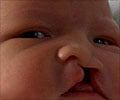
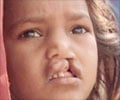
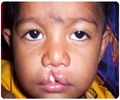
Birth defects are abnormalities, which occur before the birth of the baby and can be caused due to genetic, environmental and other unknown reasons.
Birth defects can cause a setback in mental and physical abilities, and can result in anomalies in the structure, function or metabolism of the body. Birth defects are blamed for being the leading cause of death among babies during their first year of life.
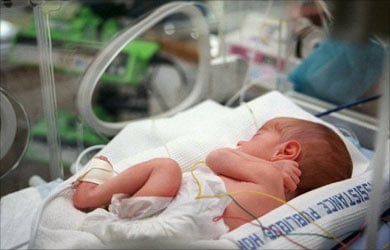
There are nearly 4000 different types of birth defects ranging from minor to severe and may need medical treatment or surgery depend upon the extent of the defect. The risk of birth defects is elevated in the presence of certain genetic and environmental factors. For instance, exposure to radiation, alcohol, intake of certain drugs, hereditary disorders, infections in the mother, nutritional deficiencies, and injuries can increase the risk of birth defects in children.
Throughout the pregnancy, the embryo/ fetus faces the threat of infection from a variety of microorganisms. The mother's immune system successfully combats some of these episodes. In some cases, it results in either an abortion or stillbirth. In certain other situations, it causes growth retardation and congenital defects.
Congenital infections can also cause birth defects, depending upon the age of the fetus. When a mother gets an infection before or during the pregnancy, it can lead to birth defects in the child. Infections which can give rise to birth defects in the child are rubella (German measles), toxoplasmosis, Venezuelan equine encephalitis,
Many a time, a woman having an infection may be unaware of it as most of the time it is asymptomatic in adults.
Can birth defects be avoided? Not all birth defects can be avoided. Expectant mothers can offset some of the risks of birth defects caused due to nutritional deficiencies or environmental conditions.