- Alzheimer's Disease - (https://www.cdc.gov/aging/aginginfo/alzheimers.htm)
- Alzheimer's Disease - Types and Symptoms - (https://www.dementiauk.org/understanding-dementia/types-and-symptoms/alzheimers-disease/)
- Alzheimers Disease Fact Sheet - (https://www.nia.nih.gov/health/alzheimers-disease-fact-sheet)
- Hopkins Medicine - Alzheimer's Disease - (https://www.hopkinsmedicine.org/health/conditions-and-diseases/alzheimers-disease)
- UCSF Health - Alzheimer's Disease - (https://www.ucsfhealth.org/conditions/alzheimers-disease)
- What Happens to the Brain in Alzheimer's Disease? - (https://www.nia.nih.gov/health/what-happens-brain-alzheimers-disease)
- What is Alzheimer's Disease? - (https://www.psychiatry.org/patients-families/alzheimers/what-is-alzheimers-disease)
- Understanding Alzheimer's and Dementia - (https://www.alz.org/alzheimers-dementia/what-is-alzheimers)
- What are the 7 Stages of Alzheimer's Disease? - (https://www.alzheimers.net/stages-of-alzheimers-disease/)
- Early-Onset Alzheimer's Disease - (http://www.columbianeurology.org/neurology/staywell/document.php?id=42072)
- Types of Genetic Testing - (https://www.alzheimers.org.uk/about-dementia/risk-factors-and-prevention/types-genetic-testing)
- 4 Pillars of Prevention - (http://alzheimersprevention.org/4-pillars-of-prevention/)
- What is the Difference Between Alzheimer's and Dementia? - (https://www.elder.org/dementia-care/what-is-the-difference-between-alzheimers-and-dementia/)
- Dementia Australia - Alzheimer's Disease - (https://www.dementia.org.au/about-dementia/types-of-dementia/alzheimers-disease)
- Treatment - Alzheimer's Disease - (https://www.nhs.uk/conditions/alzheimers-disease/treatment/)
Introduction to Alzheimer's Disease
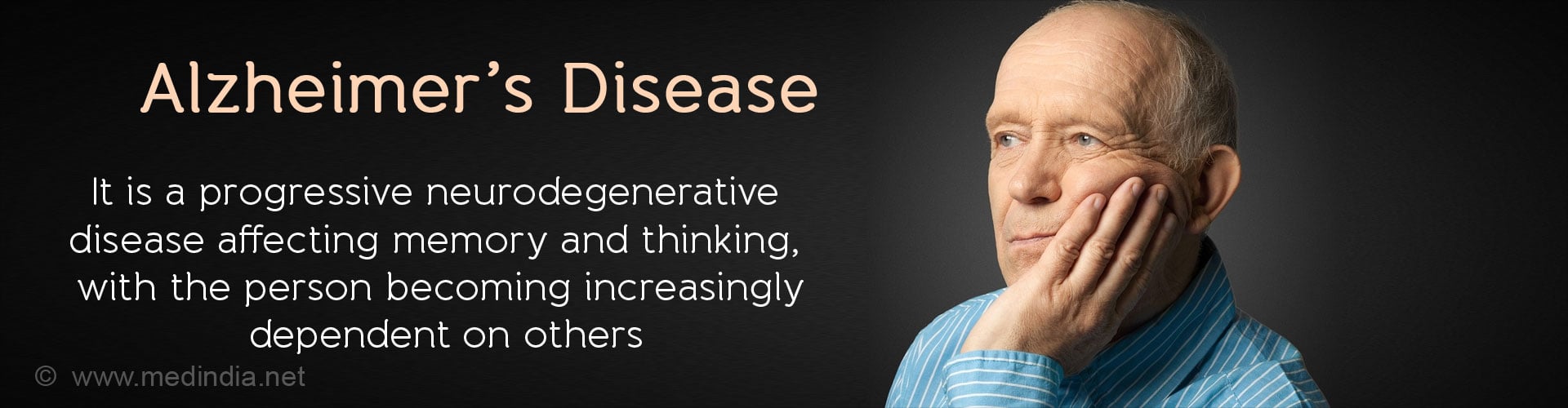
Alzheimer's disease is a progressive neurodegenerative disease that is irreversible. It is a growing public health problem among the elderly. It destroys memory and thinking skills, which worsen over time and eventually make the individuals unable to carry out even the simplest tasks. It usually affects the elderly though it is not a part of the normal aging process. It has no current cure but treatment for symptoms are available.(1✔ ✔Trusted Source
Alzheimer's Disease
Go to source)
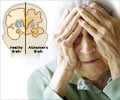
It was named after the German Physician Alois Alzheimer, who first identified the condition in 1906 when he performed an autopsy on the brain of a woman who had been suffering from severe memory loss and confusion. He observed certain abnormal changes (microscopic amyloid plaques and neurofibrillary tangles) in the brain tissue which were responsible for the patient's memory and other cognitive problems.
Generally, the disease begins to affect the brain tissues after one reaches forty years. For reasons not well understood, these plaques and tangles take over healthy brain tissues, devastating the areas of the brain associated with intellectual function.(2✔ ✔Trusted Source
Alzheimer's Disease - Types and Symptoms
Go to source)
Another point to remember is that not all memory loss is Alzheimer's disease. Many people experience trouble with memory as they age; however, if it affects your ability to function or communicate, its best to visit the doctor.
Advertisement
Incidence and Statistics
- It is the only cause of death that cannot be prevented, slowed or cured.
- Globally, nearly 44 million persons are estimated to suffer from Alzheimer’s disease or a related dementia.(3✔ ✔Trusted Source
Alzheimers Disease Fact Sheet
Go to source) - Only one out of four persons (25%) with Alzheimer’s are actually diagnosed.
- One in 9
seniors has Alzheimer’s disease . - The reported incidence rates are lowest in sub Saharan Africa and Asian countries than in the industrialized world.
- Every 66 seconds someone develops the disease and is the sixth leading cause of death in the United States.
- It is most common in Western Europe.
- Typical life expectancy is 4-8 years after an Alzheimer’s diagnosis.
What are the Causes of Alzheimer's Disease?
These factors influence the condition but are not necessarily the causes.
Risk Factors are:
- Gender-Women are more likely to develop the disease than men.
- Age -Alzheimer's disease is not a normal part of aging but age is the strongest risk. The older you become, the higher your risk. After the age of 65, your risk doubles. Aging can impair the body's self-repair mechanisms including those in the brain.
- Education-Studies have linked fewer years of formal education with increased risk of Alzheimer's. There is not a clear reason for this association but scientists believe more years of education help increase connections between neurons.
- Traumatic Brain Injury-The risk of Alzheimer’s increases after a moderate or severe traumatic brain injury that causes amnesia or loss of consciousness for more than 30 minutes.
- Genetics-The APOE-e4 gene allele is the most common risk gene associated with Alzheimer's; it is estimated to play a role in as many as one-quarter of Alzheimer's cases. However carrying the APOE-e4 does not mean that a person will develop Alzheimer's disease, and some people with no APOE-e4 disease may also develop the disease.
- Down's syndrome-Most people with Down syndrome develop Alzheimer's. This may be because they have an extra copy of chromosome 21, which contains the gene that generates harmful amyloid.
- Cardiovascular disease - The heart is responsible for pumping blood to the brain and the brain gets its oxygen and nutrients from the blood. Factors that cause cardiovascular disease also may be linked to a higher risk of developing Alzheimer's.(4✔ ✔Trusted Source
Hopkins Medicine - Alzheimer's Disease
Go to source)
What are the Symptoms of Alzheimer's Disease?
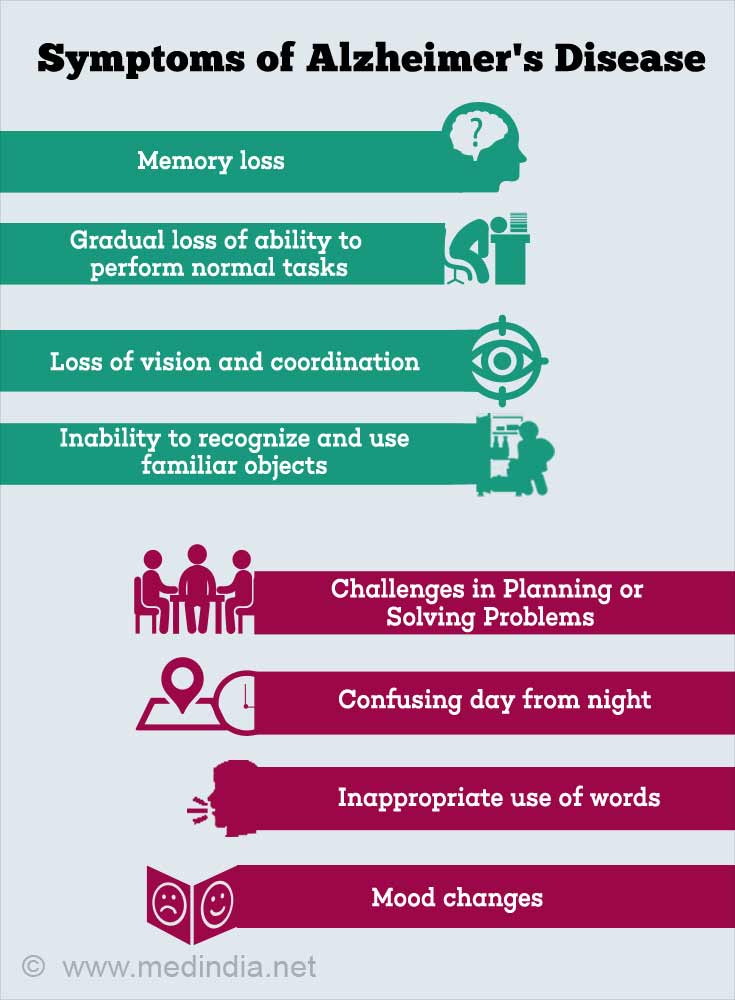
- Noticeable memory loss.
- Inappropriate use of words.
- Gradual loss of ability to perform normal tasks of daily living, involving muscle coordination, such as cooking, dressing, bathing, shopping, or signing a checkbook (apraxia).
- Episodes of wandering off, becoming agitated, confusing day from night, and failing to recognize friends and relatives with whom they were very close with.
- Inability to recognize and use familiar objects, such as clothing (agnosia).
- Becoming increasingly uncomprehending and mute.
- Loss of self-care ability.
- Inability to feed, dress and bathe on their own. If the person has a sudden onset of these symptoms or early symptoms such as seizures, gait problems, or loss of vision and coordination – it is less likely that they indicate Alzheimer's.(5✔ ✔Trusted Source
UCSF Health - Alzheimer's Disease
Go to source) - Mood changes.
- Social Withdrawal.
How do you Diagnose Alzheimer's Disease?
There are no quick, simple, reliable, inexpensive or noninvasive tests available to diagnose Alzheimer's disease, before the individual suffers significant damage. The hallmarks of Alzheimer's disease are plaques and tangles in brain tissue.(6✔ ✔Trusted Source
What Happens to the Brain in Alzheimer's Disease?
Go to source) However, this cannot be used to establish a diagnosis as it is seen only after an autopsy. Getting the right diagnosis is the first step in planning any treatment.
Early diagnosis improves access to medical and support services. It provides an opportunity to make legal, financial and care plans while the affected individual is still capable. Sometimes the symptoms you are concerned about might be caused by a condition that is reversible. Even if there is an underlying disease, diagnosis and treatment of reversible conditions improve brain function and reduce symptoms.
There are other causes of dementia that require to be ruled out before labeling a patient as suffering from Alzheimer's disease. Some of these are reversible and include thyroid and vitamin deficiencies. About 60% of dementia is due to Alzheimer's and about 15% are related to vascular diseases.
A complete physical and neurological examination is the first step before investigations are undertaken.
Advertisement
Neurological examination:
During a neurological exam, the physician will closely evaluate the person for problems that may signal brain disorders other than Alzheimer’s. The physician will test:
- Reflexes
- Coordination, muscle tone and strength
- Eye movement
- Speech
- Sensation
After this the patient requires a psychiatric assessment. It is important for someone close to the patient to be interviewed to learn about the patient's daily activity and understand his or her emotional state.
Ruling out Parkinson's disease, stroke or tumors of the brain is essential. Memory tests are undertaken for recall of events.
Diagnostic Imaging tests
Once the physical and mental assessments are over, blood tests and radiological investigations are done to rule out anemia and vitamin deficiency. Tests related to the thyroid, kidney and liver are also carried out.
Brain imaging is done using
What is Alzheimer's Disease?
Go to source)
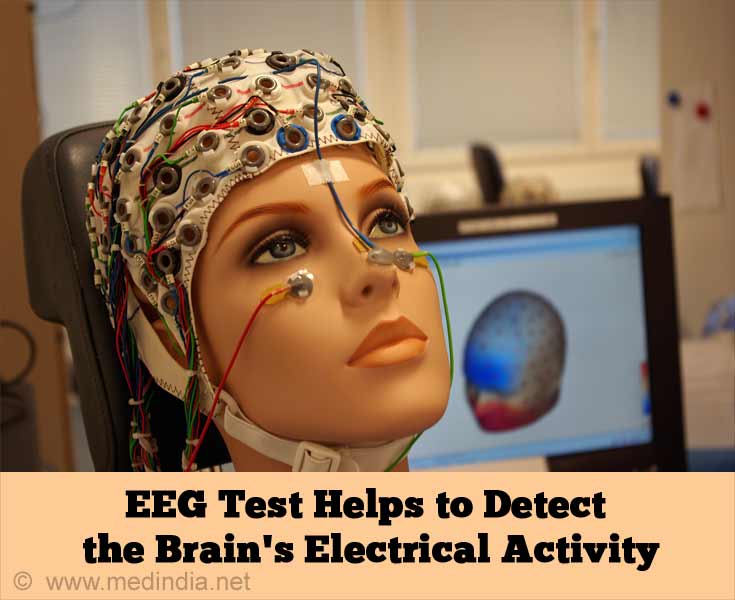
Sometimes it may be essential to undergo an EEG test (or an electroencephalogram which is a test that detects electrical activity in your brain) where the signals are picked up by a recorder and analyzed. A spinal tap to analyze the CSF fluid may also need to be done.
Alzheimer disease causes deposition of plaques that contain an insoluble protein called beta amyloid. Under the microscope one can recognize the presence of these "neurofibrillary tangles" due to a protein called 'Tau'. This protein encourages the formation of microtubules and these transport chemicals inside cells. Tangles are the hallmark of Alzheimer's but Tau is also a suspect in causing the disease.
Mental status tests
They evaluate memory, ability to solve problems and thinking skills. They give an overall sense of whether a person is aware of where they are, knows the date and time, can remember a short list of words, follow the instructions and do simple calculations. There are two types of tests:
1. Mini-mental state exam (MSME)
During the MSME, a health professional asks a patient a series of questions to test a range of everyday mental skills. The maximum MSME score is 30 points. A score of 20 to 24 suggests mild dementia,13 to 20 suggests moderate dementia, and less than 12 indicates severe dementia.(8✔ ✔Trusted Source
Understanding Alzheimer's and Dementia
Go to source)
2. Mini-cog
During the mini-cog, a person is asked to complete two tasks:
- To remember and a few minutes later repeat the names of three common objects.
- Draw a face of a clock showing all 12 numbers in the right places and a time specified by the examiner.
Advertisement
What are the Stages of Alzheimer’s Disease?
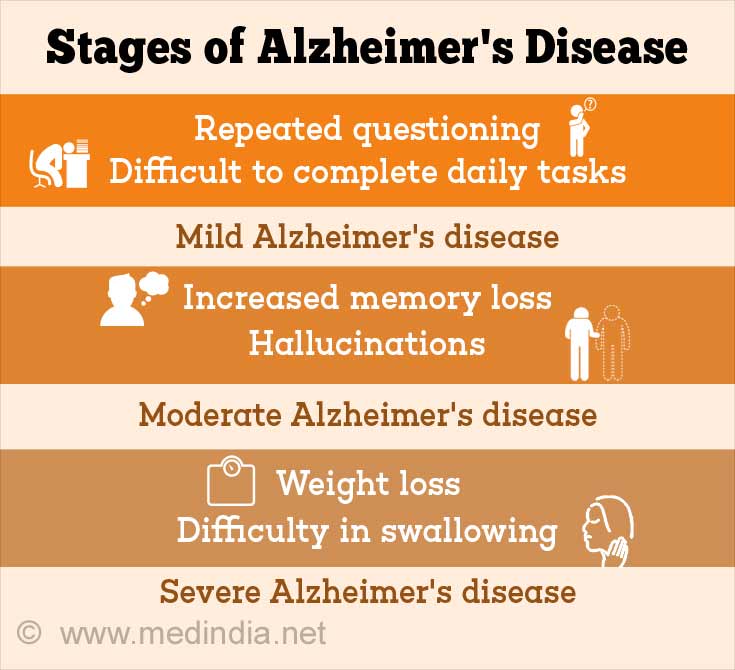
Mild Alzheimer's disease - Initially when the disease is mild, people experience greater memory loss than usual and other cognitive changes. They experience the following:
- Wandering and getting lost
- Repeated questioning
- Personality and behavior changes
- Losing things and taking longer time to complete daily tasks
Moderate Alzheimer's disease - In this stage damage occurs in areas of the brain that control language, reasoning, sensory processing and conscious thought.(9What are the 7 Stages of Alzheimer's Disease?
Go to source) Problems include:
- Increased memory loss and confusion
- Problems recognizing family and friends
- Hallucinations, delusions and paranoia
- Difficulty carrying out multistep tasks
Severe Alzheimer's disease - In this stage, people cannot communicate and are completely dependent on others for their care. Person may be bedridden most of the time as the body shuts down. Symptoms include:
- Inability to communicate
- Weight loss
- Seizures
- Difficulty swallowing
- Lack of control of bowel and bladder
What are the Different Types of Alzheimer’s Disease?
There are three different types of Alzheimer’s disease. They are:
1. Early-onset Alzheimer‘s disease-
When it occurs in someone under the age of 65, it is known as early-onset Alzheimer's disease. About five percent of people have the early onset form and it occurs when many of them are in their early 40s and 50s. People with Down syndrome are more susceptible to early-onset Alzheimer's disease. Familial early onset Alzheimer's disease occurs in individuals who possess a genetic mutation of one of the three genes, APP, PSEN 1 or PSEN2 genes. The expression of these genes is autosomal dominant which means half the children of an affected parent are likely to carry the disease gene and develop the disease.(10✔ ✔Trusted Source
Early-Onset Alzheimer's Disease
Go to source)
2. Late-onset Alzheimer’s disease-
The most common form of Alzheimer's disease, often referred to as sporadic Alzheimer's. The etiology includes a combination of genetic ,environmental and lifestyle factors that influence a person's risk for developing the disease. Although a specific gene has not been found as the cause, one genetic risk factor does appear to increase a person's risk for developing the disease. This increased risk is related to the APOE gene (apolipoprotein).
3. Familial Alzheimer's disease-
It accounts for less than 1% of all cases of Alzheimer's disease. When it is caused by deterministic genes it is called Familial Alzheimer's disease. They have the same symptoms of sporadic Alzheimer's disease and can develop at any time. It is due to changes or alterations in specific genes that can be directly passed on from parent to child. Because it is so rare, it is not included in clinical and drug trials. It is called the 'Ultimate orphan Disease'. Genetic testing can identify if a child has inherited the gene and will develop the disease in the future.
Alzheimer's and Genetics
Prenatal Testing: It will indicate if the unborn baby has an elevated risk of developing AD. However, if the parents are unwilling to terminate the pregnancy even if there is high risk, the testing need not be carried out.
Pediatric Testing: Children can be tested for the presence of high risk gene mutations. However, it is not advised routinely as Alzheimer’s is a condition that will probably occur only after many years for children and it is unwise for parents or the child to worry about it from now.
Genetic Testing for Adults: Symptomatic people or adults who wish to ascertain their disease risk can get themselves tested for the presence of high risk alleles.(11✔ ✔Trusted Source
Types of Genetic Testing
Go to source)
How do we Prevent Alzheimer’s Disease?
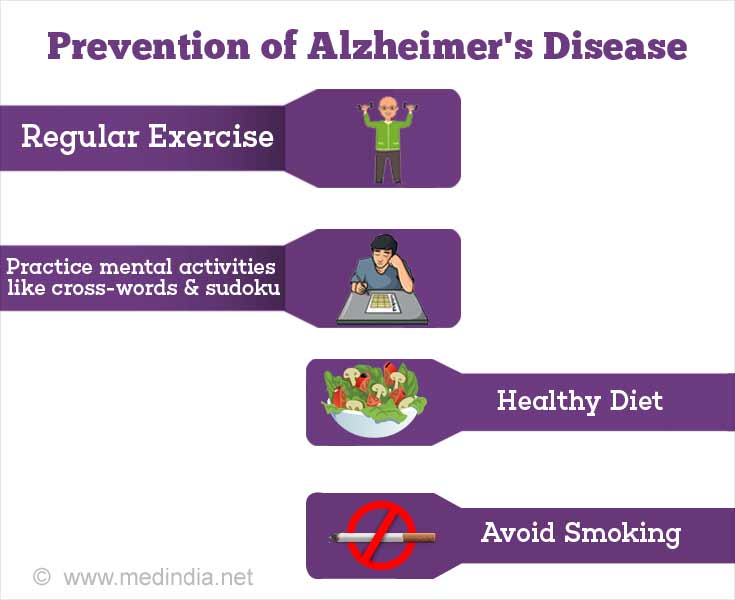
Prevention of Alzheimer's should be actively pursued and more so if there is a family history of the disease. The strategies involve the following:
Stay active mentally and physically - Keeping oneself physically fit helps the circulation in the body and helps the brain from delaying the progression or onset of the disease even if a person is genetically prone to get the disease. Aim for at least 30 minutes of aerobic activity such as walking, cycling or swimming. Regular physical exercise can lower the risk of developing Alzheimer's by up to 50 percent.
Mental activity is equally important and occupying oneself by doing cross-words or Sudoku, playing chess or a game of Bridge, playing a musical instrument or a board game can help in delaying the onset of the disease or keeping the symptoms of the disease mild.
Studying a new subject after middle age or getting educated can also help in warding off Alzheimer's. The theory is that cognitive reserve (the mind’s resistance to damage of the brain) (greater levels of which might be marked by educational achievement), may act as a cushion against intellectual impairment. The risk of the disease is reduced to over three times by pursuing keeping oneself physically and mentally fit.
Healthy Diet - In various studies what one eats has been shown to be important in preventing Alzheimer's. Food rich in beta-carotene, vitamin C, vitamin E and vegetables help in reducing the incidence of dementia. It has also been noted that middle-aged people who eat a high fat diet have a seven-fold increase in the memory-destroying disease like dementia and Alzheimer's disease. This may be related to the mutation of the ApoE-E4 gene. This mutation usually affects the storage and transportation of the fat called cholesterol and can predispose individuals to Alzheimer's. Reducing animal protein and increasing the intake of more leafy vegetables and fruits can help reduce the risk. Some scientists have found that DHA in salmon and other fish reduces beta amyloid plaques.
Lifestyle: Avoid smoking as smokers have twice the risk of developing Alzheimer's disease. Protect yourself from head trauma, and maintain a normal weight. A study in Neurology revealed a link between excessive belly fat and the onset of Alzheimer's.(12✔ ✔Trusted Source
4 Pillars of Prevention
Go to source)
Medication: Ginkgo, a traditional herbal preparation made from leaves of the ginkgo tree can increase blood flow to the brain. It can be useful in slowing the progression of early Alzheimer's disease and dementia.
What is the Difference between Alzheimer’s and Dementia?
Dementia is a syndrome and not a specific disease. It is used to describe a set of symptoms that impact memory, performance of daily activities and communication abilities. Alzheimer's is a progressive disease of the brain that slowly causes impairment in memory and cognitive function.
Alzheimer's is a type of dementia and dementia is a condition that can be caused by other disorders aside from Alzheimer's. Although Alzheimer's is irreversible, some causes of dementia are reversible.(13✔ ✔Trusted Source
What is the Difference Between Alzheimer's and Dementia?
Go to source)
What is the Prognosis for Alzheimer’s Disease?
Unfortunately, there is no current cure for Alzheimer's disease. The average amount of time a person will live is eight years after the onset of symptoms; individuals have known to live between 3 and 20 years after the signs emerge. The length of time is highly dependent on their age as well as the type and severity of their medical condition. People with Alzheimer’s often die of a complication such as pneumonia or the flu. If this does not occur, the person will eventually die when all body systems fail because of Alzheimer's.(14✔ ✔Trusted Source
Dementia Australia - Alzheimer's Disease
Go to source)
What is the Treatment for Alzheimer’s Disease?
No drugs are available to cure Alzheimer's disease. But the doctors give medicines to improve behavioral symptoms that often accompany Alzheimer's, including sleeplessness, wandering, anxiety, agitation and depression. However, by following a multi-disciplinary approach a patient with this condition can improve the overall quality of life. The specialists who are involved with the treatment of this condition include:
- Sleep Medicine Specialists
- Physical Rehabilitation Medicine Specialists
- Neurologists
- Psychiatrists
- Neuro-psychologists
The treatment aims at controlling the symptoms of the disease and helps in controlling changes in memory, mood and behavior that commonly occur with Alzheimer's disease.
There are many medications currently available and this section provides an overall view of the current medications that are used for the conditions and the rationale for their use.(15✔ ✔Trusted Source
Treatment - Alzheimer's Disease
Go to source)
1. Anti-oxidants -The free radicals circulating in the blood cause tissue damage and reducing their levels helps the patient in the long run. Usually Vitamin E maybe prescribed by a doctor. However, changing the dietary habits can also produce the same result.
2. Cholinesterase Inhibitors - Acetylcholine is a chemical that keeps the nerve signals well charged and helps the messaging system within the brain cells. Delay in their breakdown by giving some drugs can help in improving the symptoms related to the cognitive function of a person with Alzheimer's disease. These drugs have been tested over the years and include:
Tacrine was used in the past and was found to have serious side effects in 50% of the patients especially on the liver and gastro-intestinal tract. It also needs to be taken four times a day and this is not easy for someone suffering from Alzheimer's. As the overall serious effects outweigh the benefits this drug has not been very useful.
Donepezil has very few side effects and has a half-life of about 70 hours. The standard dose is 5mgs once daily and after one month, this can be increased to 10mgs. The main side effects are nausea or increased bowel frequency. It is beneficial for those with mild to moderate Alzheimer's disease.
Rivastigmine was found to be beneficial for people with mild to moderate Alzheimer's disease. It improves cognitive function, activities of daily living, and severity of dementia with daily doses of 6 to 12 mg.
Galantamine is similar to other drugs in the group and has less side effects.
Memantine - It is used in patients with moderate to severe Alzheimer's. Another chemical called Glutamate acts on a receptor called N-methyl D Aspartate (NMDA). If these receptors are overcharged it causes damage to the brain. Memantine blocks these receptors.
3. Rehabilitation Strategies
Various methods can be used to improve cognitive skills such as memory and using objects with adequate dexterity. Training can be given on how to use a calculator, manipulating keys to open doors, counting money for purchases, and using checkbooks
Alzheimer's and caregivers
Caring for a person with Alzheimer's can have physical, emotional and financial costs. Good coping skills, a strong support network and respite care are ways that caregivers can handle the stress of caring for a loved one. Joining a support group is a critical lifeline. As the disease advances, patient's needs will increase and the caregiver's responsibilities will become more challenging. Caregiving can literally seem like a thankless task as the patient’s ability to show appreciation for all the hard work will diminish.
What New Research has been done in Alzheimer’s Disease?
Stem cells and vaccines hold a promising future to find a permanent cure for this debilitating disease.
Turmeric powder and Alzheimer's disease
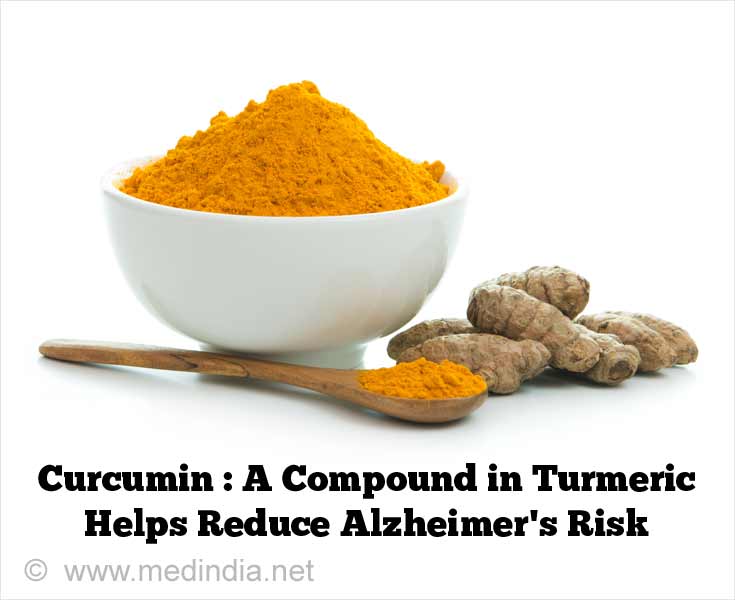
As per a study conducted by scientists from the US, curcumin, helps reduce the risk of Alzheimer's disease; it inhibits the accumulation of destructive beta amyloids, which are responsible for Alzheimer’s. It is a powerful antioxidant and possesses anti-inflammatory properties and its low molecular weight allows it to penetrate the blood-brain barrier more effectively.
Link with blood sugar
A new study has established a 'tipping point' between blood sugar glucose and the disease. Diabetes patients have an increased risk of developing Alzheimer's, where abnormal proteins aggregate to form 'plaque' and 'tangles' in the brain.
Sniff test
New research has revealed a declining sense of smell could be among the first signs of Alzheimer's and a new study confirms that administering a simple 'sniff test' can enhance the accuracy of diagnosing the disease.
Breakthrough drug
A pill taken twice a day has stalled the deterioration of the brain in Alzheimer's patients for the first time. Patients saw no weakening of the memory and reasoning skills over the year and a half when they were taking the pills and their ability to undertake everyday tasks remained the same. The drug called LMTX is based on disrupting tau protein which accumulate in tangles in the brain, thereby slowing neurodegeneration and memory loss.