Medindia » First Aid » First Aid-Snake Bites

Snake Bites - First Aid and Emergency Treatment Guide

Comments (7)
Email Print

Snake Bites

Font Size
   Overview
   Causes
    Symptoms 
   Treatment
   Prevention

    Overview

  • Thousands suffer from snake bites, globally, every year 
  • People who live near wilderness/trekkers - more prone 
  • Even bite from a harmless snake can cause allergic reaction 
   Causes Some common venomous snakes include -
  • Viper 
  • Cobra 
  • Rattle snake 
  • Water moccasin 
  • Coral snake 
  • Copper head 
    Symptoms
  • Fang marks 
  • Swelling/severe pain at the site 
  • Bloody discharge from wound 
  • Burning 
  • Diarrhea 
  • Excessive sweating 
  • Blurred vision 
  • Numbness/tingling sensation 
  • Increased thirst 
  • Vomiting 
  • Fever 
  • Loss of muscle co-ordinations 
  • Convulsions 
  • Rapid pulse 
  • Weakness/Dizziness/Fainting 
   Treatment
a. Seek Medical help as soon as      possible.   Meanwhile -
  • Wash wound with soap/water 
  • Immobilize the affected area 
  • Keep area slightly elevated 
  • Apply cool compress/wet cloth to affected part 
  • Apply a firm bandage 2-4 inches above bite to
    i. Prevent venom from spreading
    ii.Take care of any bleeding
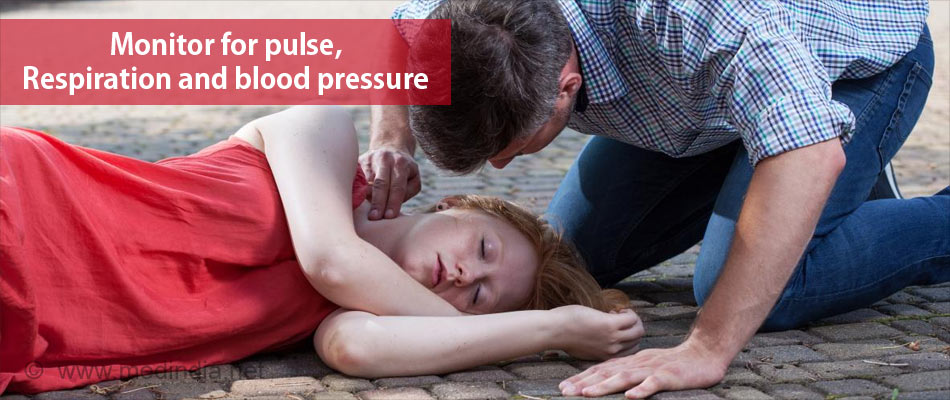
b. Monitor for pulse, respiration and      blood pressure     Prevention
  • Do not attempt to kill a snake. 
  • If you spot a snake, leave it alone 
  • While hiking or in the woods, stay out of tall grass 
  • Do not put your hand into pits/crevices during treks 
  • Exercise caution while climbing rocks 

Share it!

IN CASE OF EMERGENCY(ICE)-Life Saving Measures
Comment & Contribute
Comments should be on the topic and should not be abusive. Comments are normally moderated and are reviewed after they are posted.
* Your comment can be maximum of 2500 characters
I agree to the terms and conditions
If you have a question about health related issues, you can now post it in our Ask An Expert section on our community website Medwonders.com and get answers from our panel of experts.
Member Comments ( 7 )
The Given treatments are misleading.
Do not wash the area. A doctor can use a sample from the bite site to help identify the venom by using a Venom Detection Kit test, aiding in the administering of the correct antivenene.
Do not elevate the area. elevation increases the flow of blood towards the heart and cause more danger.
Do not put ice or cool compress. cold increases the circulation and worsen the situation.

(Posted by RajeshAugustian, Oman Date : 5/15/2012 )
thank you very much.it is more helpfull to every one
(Posted by rajkumarbanoth, India Date : 4/11/2012 )
THANK YOU A LOT LOT LOT LOT!!!! :-)
YOU REALLY HELPED ME FINISH MY HOLIDAY HOMEWORK

(Posted by LALLOO, N/A Date : 6/11/2011 )
Good to get this information. however, I'm confused about the use of ice and for that matter cold. while some authorities talk about put ice on it may lead to frostbite, others recommend it. which do we take?
(Posted by Bigjoe, N/A Date : 6/11/2011 )
PLEASE NOTE THAT THERE ARE SEVERAL INCORRECT TREATMENTS ABOVE!!!!

Do NOT put ice or cold compress on the wound - it will make it WORSE.

DO NOT EVER elevate above the heart - you need to keep the would below the heart so that the venom does not go to the heart.

(Posted by BLAHBLAH1, United States Date : 5/27/2011 )
View All Comments (7)
Emergency Medical Services
Select City*:
Select Service:
View Service
 First Aid - Topics
Acne
Anaphylaxis
Animal Bites
Asthma
Back pain
Black Eye
Bleeding Gums
Blisters
Bruises
Burns
Cardio-pulmonary Resuscitation (CPR)
Chemical Burns
Chemical Splash in the Eye
Chest pain
Chicken pox
Choking
Corneal Abrasion
Cuts
Dandruff
Diabetes
Dislocation
Electric shock
FAINTING
FEVER
Food Borne Illness
Foreign Object In The Ear
Foreign Object In The Eye
Foreign Object In The Nose
Foreign Object In The Skin
Foreign Object When Swallowed
Fracture
Frost Bite
Gastric Problems
Gastroenteritis
Head Trauma
HEADACHE
Heart Attack
Heat Cramps
Heat Exhaustion
Heat Stroke
Human Bites
Insect Bites and Stings
Nose Bleed
Poisoning
Puncture Wounds
Severe Bleeding
Shock
Snake Bites
Spinal Cord Injury
Sprain
Stroke
Sun Burn
Tick Bite
Tooth Ache
Tooth Loss