Health Effects of Global Warming
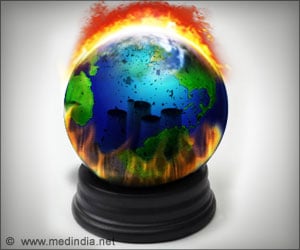
Greenhouse effect causes excessive heat to build up in the earth’s atmosphere causing global warming and affects the environment and health.
Greenhouse effect causes excessive heat to build up in the earth’s atmosphere causing global warming and affects the environment and health.
Brauer's seminar, titled Fires, Smoke, and Health: Impacts and Prevention, is at 8:30-11:30 a.m. Feb. 19 in Room 109 at the Vancouver Convention Centre.
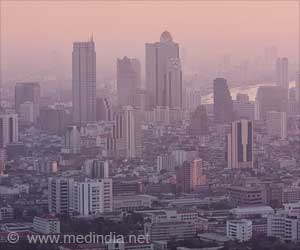
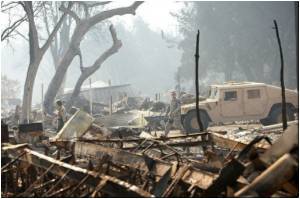
Vegetation fire frequency and intensity are expected to increase as a consequence of climate change, according to Brauer. While there are other potentially harmful pollutants in fire smoke, increases in fine particulate matter are of most concern. Particulate matter can remain suspended in the air for days, or even weeks, affecting air quality across large regions. These particles are fine enough to easily penetrate indoor environments.

Top Scientific Splendors and Debacles of the Decade
Critical look at all the top scientific and medical advancements of last decade and their potential impact on the survival of mankind and the future healthcare of the world.
Critical look at all the top scientific and medical advancements of last decade and their potential impact on the survival of mankind and the future healthcare of the world.
"Given the health effects related to fire smoke exposure and the likelihood of increased fire smoke episodes resulting from climate change, strategies to mitigate the public health impacts are required," says Brauer, a professor in the School of Population and Public Health at UBC and co-lead of the School's Occupational and Environmental Health theme. "Smoke forecasting tools can help individuals and public health professionals prepare for smoke episodes."
Advertisement

Going Ga-Ga Over Green
Remember you have the power to probe, to prevent and to preserve the beautiful planet earth and also to ensure that your children inherit it!
Remember you have the power to probe, to prevent and to preserve the beautiful planet earth and also to ensure that your children inherit it!
"Individuals with pre-existing heart and lung conditions need to limit their exposure to fire smoke and to also ensure they have adequate supplies of reliever medications when the fire season begins."
Advertisement

Homage Paid To Children Who Died In Fire Mishap
News on the homage paid to children who died in fir mishap in their school at Kumbakonam India
News on the homage paid to children who died in fir mishap in their school at Kumbakonam India