Aggresive Prostrate Cancer Treated Effectively With Surgery
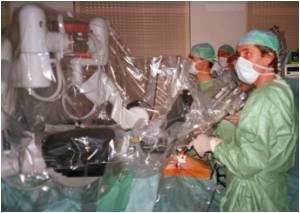
Among patients with aggressive prostate cancer, there is a high survival rate of those who undergo surgery, reports a new study.
Among patients with aggressive prostate cancer, there is a high survival rate of those who undergo surgery, reports a new study.
Those earlier studies, however, offered no explanation as to why.
In the current work, the UCSF team teased out a molecular profile of 184 genes whose expression in the prostate gland is linked to vigorous exercise.

Prostrate Cancer may be Warded Off by Walnuts
A new study has found that walnut consumption may help slow the growth of prostate cancer in mice.
A new study has found that walnut consumption may help slow the growth of prostate cancer in mice.
"Vigorous physical activity may provide clinical benefits for men diagnosed with earlier stage prostate cancer," she said.
Advertisement
First Prostrate Cancer Vaccine a Major Breakthrough: Indian Oncologist
Renowned oncologist Anuradha Hooda on Sunday said that the first vaccine to treat prostrate cancer Provenge, is a major scientific breakthrough in fighting the disease.
Renowned oncologist Anuradha Hooda on Sunday said that the first vaccine to treat prostrate cancer Provenge, is a major scientific breakthrough in fighting the disease.
The analysis involved examining the levels of expression, or activity, of the same 20,000 genes in 70 men. This information was correlated with the exercise patterns the men reported on questionnaires.
Advertisement

Link between Obesity and Post-Radiotherapy Outcome in Prostate Cancer Patients
A new study with obese men having prostrate cancer finds a close link between the failure of radiation therapy and increased body mass index (BMI).
A new study with obese men having prostrate cancer finds a close link between the failure of radiation therapy and increased body mass index (BMI).
Among the genes that exhibited greater expression were a number that already are thought to help thwart cancer progression, including the well-known "tumor suppressor" genes BRCA1 and BRCA2, as well as genes involved in cell cycle and DNA repair.
Source-ANI