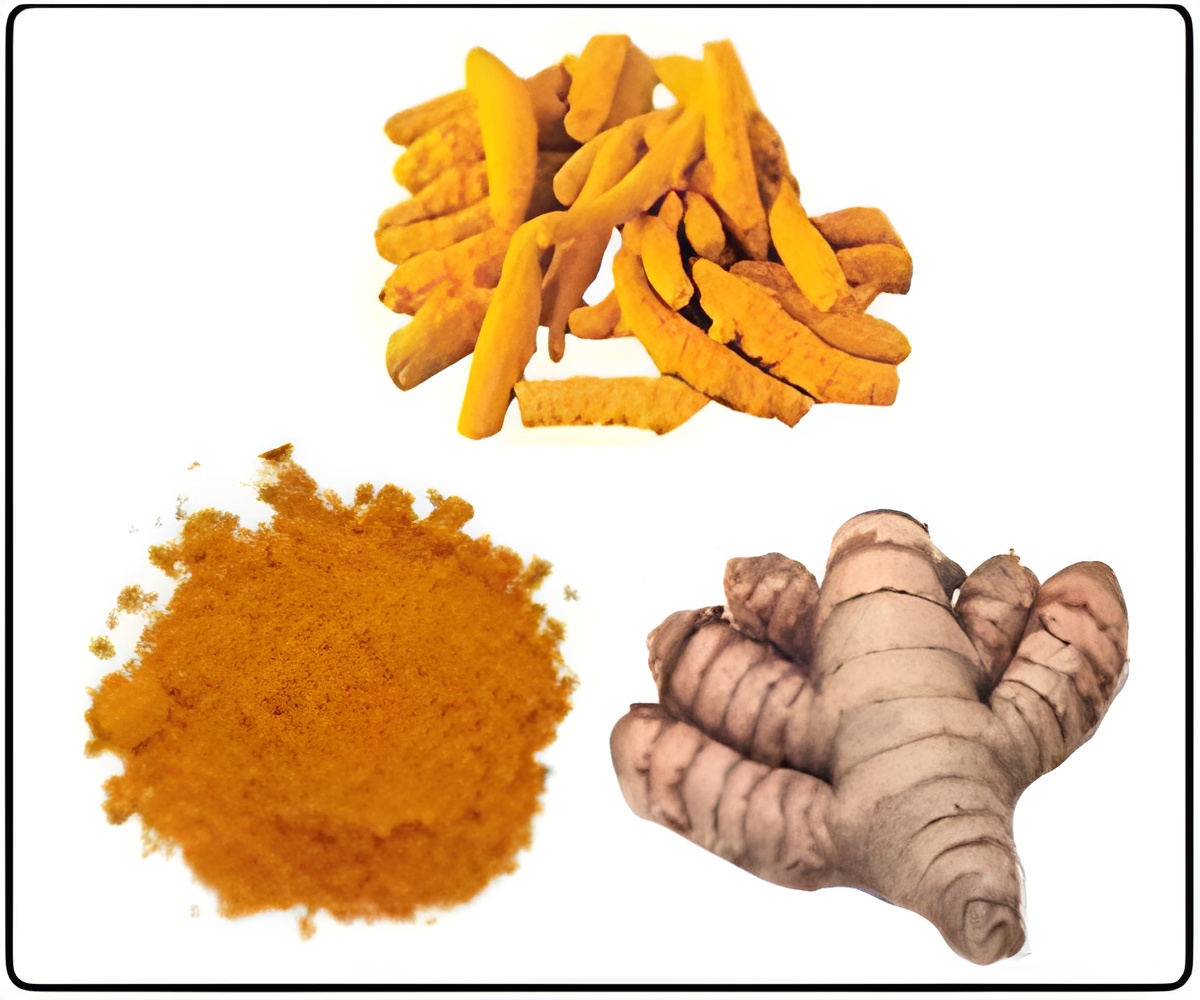
Curcumin is its major component responsible for the spice's yellow colour and its therapeutic effects.
"It (curcumin) has been shown to be a good cure for gastric ailments like inflammation and ulceration. While its low doses are not effective, at high doses it might aggravate the situation. But we have come up with the optimum dose at which curcumin is therapeutic," Snehasikta Swarnakar, senior scientist at Indian Institute of Chemical Biology (IICB)'s Drug Development Diagnostic and Biotechnology Division, who led the research, told IANS.
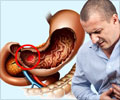
Digestive Tract Ulcers - Symptom Evaluation
A break in the mucus membrane lining of the digestive tract results in ulcers.
A break in the mucus membrane lining of the digestive tract results in ulcers.
Gastric ulceration and inflammation occur as a side effect to indiscriminate use of pain-killers (non-steroidal anti-inflammatory drugs or NSAIDs) and also due to stress.
Advertisement

New Curcumin Derivative Has Anti-Diabetic Effects
The novel water-soluble curcumin derivative improves lipid profile and oxidative stress and in small doses shows anti-diabetic actions, according to an Egyptian study.
The novel water-soluble curcumin derivative improves lipid profile and oxidative stress and in small doses shows anti-diabetic actions, according to an Egyptian study.
The study, published in 2012 in the Anti-oxidants and Redox Signaling Journal, was also the first to shed light on the exact mechanism by which curcumin aids the healing process.
Advertisement

Acid Peptic Disease - Causes, Symptoms, Complications, Diagnosis and Treatment
Acid peptic diseases are a collective disorder affecting millions of people worldwide. A general description about its pathophysiology, symptoms, etiology, complications, diagnosis and treatment is given.
Acid peptic diseases are a collective disorder affecting millions of people worldwide. A general description about its pathophysiology, symptoms, etiology, complications, diagnosis and treatment is given.
NSAIDs like indomethacin breaks up the blood vessel network in the stomach tissues and disrupts the collagen fibres - the tissue responsible for structural strength.
"Curcumin comes to the rescue by regulating the levels of two enzymes involved in the formation of new blood vessels, Swarnakar said.
One of the enzymes - MMP-2 - is a house-keeping enzyme that should be present in the system, and the other - MMP-9 - is inflammatory which is not required in the body.
"Curcumin increases the levels of MMP-2, while simultaneously lowering the MMP-9 level. This balance between the two enzymes is the key to its actions," Swarnakar said.
Source-IANS