Malaria - Causes, Symptoms, Diagnosis, Prevention, Treatment
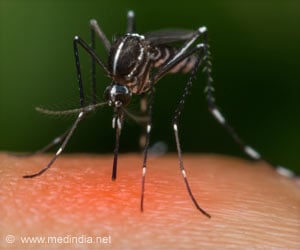
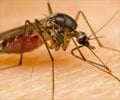
Malaria is caused by a parasite that enters blood through the bite of an infected mosquito. It is characterized by fever, vomiting, shivering, sweating and other symptoms.
Malaria is caused by a parasite that enters blood through the bite of an infected mosquito. It is characterized by fever, vomiting, shivering, sweating and other symptoms.
"New strategies are needed, particularly in areas of declining transmission. One strategy is to screen people for malaria and treat those who are infected, even those who are not sick enough to go to the clinic," said lead author, Catherine G. Sutcliffe, PhD, an assistant scientist with the Johns Hopkins Bloomberg School of Public Health's Department of Epidemiology.
"Using artemisinin combination therapy can enhance this strategy, as treatment can reduce transmission to mosquitoes. In regions of declining transmission, the burden of malaria could be reduced to such an extent that elimination is achievable."

Can Saliva Be Used To Detect Malaria?
Saliva represents a potential alternative to blood for the assessment of anti-malarial antibody levels.
Saliva represents a potential alternative to blood for the assessment of anti-malarial antibody levels.
Researchers analyzed data from surveys conducted in 2007 and between 2008 and 2009. In both surveys, households were screened for malaria using rapid diagnostic tests and treated with artemisinin combination therapy when malaria was detected.
Advertisement
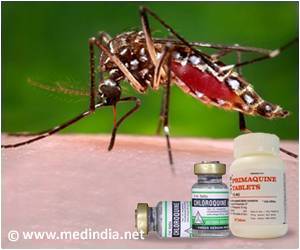
Malaria- A Review of Recent Guidelines in the Indian Context
Microscopy of blood smears remains the gold standard for confirmation of diagnosis of malaria.
Microscopy of blood smears remains the gold standard for confirmation of diagnosis of malaria.
Test and treat showed a twofold reduction in 2007, when community prevalence was higher at 24 percent.
Advertisement

Antibody-based Therapies Effective at Controlling Malaria
Passive immunization through the development of fully human antibodies specific to Plasmodium falciparum may be effective at controlling the disease, according to a report.
Passive immunization through the development of fully human antibodies specific to Plasmodium falciparum may be effective at controlling the disease, according to a report.
"If resources permit, this strategy could be targeted to hot spots to achieve further reductions in malaria transmission," added Moss.
The study has been published in the journal PLoS ONE.
Source-ANI