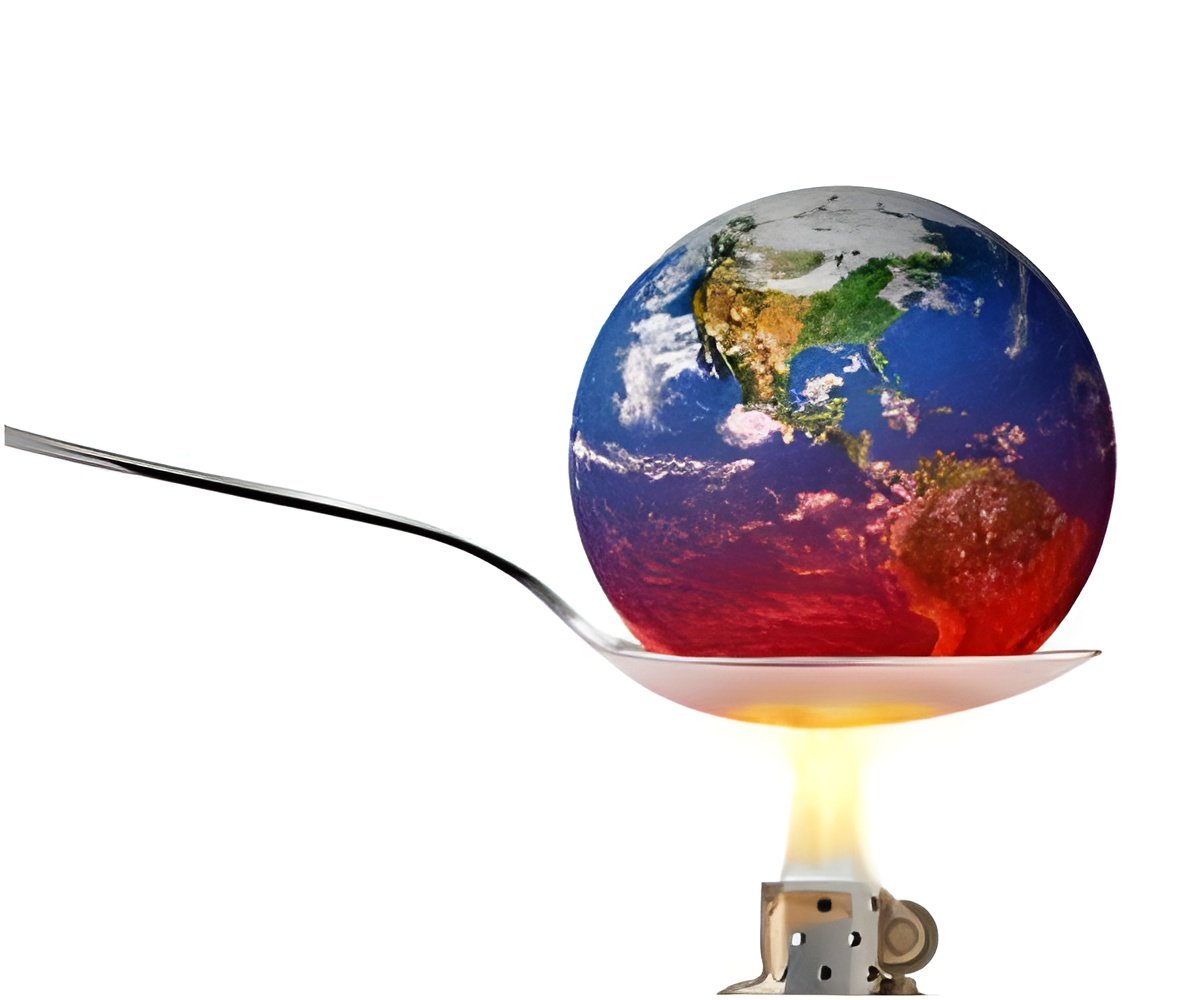

Health Effects of Global Warming
Greenhouse effect causes excessive heat to build up in the earth’s atmosphere causing global warming and affects the environment and health.
Greenhouse effect causes excessive heat to build up in the earth’s atmosphere causing global warming and affects the environment and health.
The idea of embedding quantum dots into solar panels is not new as according to Vladimir Mitin, a SUNY Distinguished Professor, scientists had proposed about a decade ago that this technique could improve efficiency by allowing panels to harvest invisible, infrared light in addition to visible light.
However, intensive efforts in this direction have previously met with limited success.

Global Warming Results In Increased Heat Related Illness
Californian researchers are planning to study the relationship between global warming and increased emergency room admission.
Californian researchers are planning to study the relationship between global warming and increased emergency room admission.
This built-in charge is beneficial because it repels electrons, forcing them to travel around the quantum dots. Otherwise, the quantum dots create a channel of recombination for electrons, in essence "capturing" moving electrons and preventing them from contributing to electric current.
Advertisement

Modest Increase in Urban Parks Could Equalize Global Warming Until 2080s
A modest increase in the number of urban parks and street trees in our major cities could offset decades of predicted temperature rise.
A modest increase in the number of urban parks and street trees in our major cities could offset decades of predicted temperature rise.
"Clean technology will really benefit the region, the state, the country," Mitin said.
Advertisement
Mitin and his colleagues have already invested significant amounts of time in developing the quantum dots with a built-in-charge, dubbed "Q-BICs."
To further enhance the technology and bring it to the market, OPEN LLC is now seeking funding from private investors and federal programs.he study has been published in the journal Nano Letters.
Source-ANI