
Systemic Lupus Erythematosus (SLE) - Causes, Symptoms, Diagnosis and Treatment
Systemic Lupus Erythematosus (SLE) is an autoimmune disease that affects multiple organs like the joints, skin, kidney, heart, lungs, blood vessels and brain.
Systemic Lupus Erythematosus (SLE) is an autoimmune disease that affects multiple organs like the joints, skin, kidney, heart, lungs, blood vessels and brain.
Another key question is whether treating at-risk people to eradicate staph can prevent lupus from forming in the first place. Lupus occurs when the immune system attacks tissues and joints. It may affect virtually any part of the body and can be tough to diagnose because it often mimics other ailments. There is no cure, only treatment to control symptoms. Lupus is more commonly diagnosed in women, African-Americans, Hispanics, Asians and people 15 to 40.
The cause is often unknown; it appears people genetically predisposed to lupus may develop it when something in the environment triggers it, such as infections, certain drugs or even sunlight.

Know your immune system
Immune system is the first line of defense against Viruses, bacteria, fungi, worms and other parasites, which enter the body through the skin, nose, mouth or other openings of the body, cause infectious diseases
Immune system is the first line of defense against Viruses, bacteria, fungi, worms and other parasites, which enter the body through the skin, nose, mouth or other openings of the body, cause infectious diseases
In the mice studied, a staph protein known as a staphylococcal enterotoxin B, or SEB, activated autoreactive T and B lymphocytes, a type of white blood cells, leading to an inflammatory illness mirroring lupus. Research on people has shown that carrying staph bacteria is linked to autoimmune diseases such as psoriasis, Kawasaki disease and graulomatosis with polyangiitis.
Advertisement


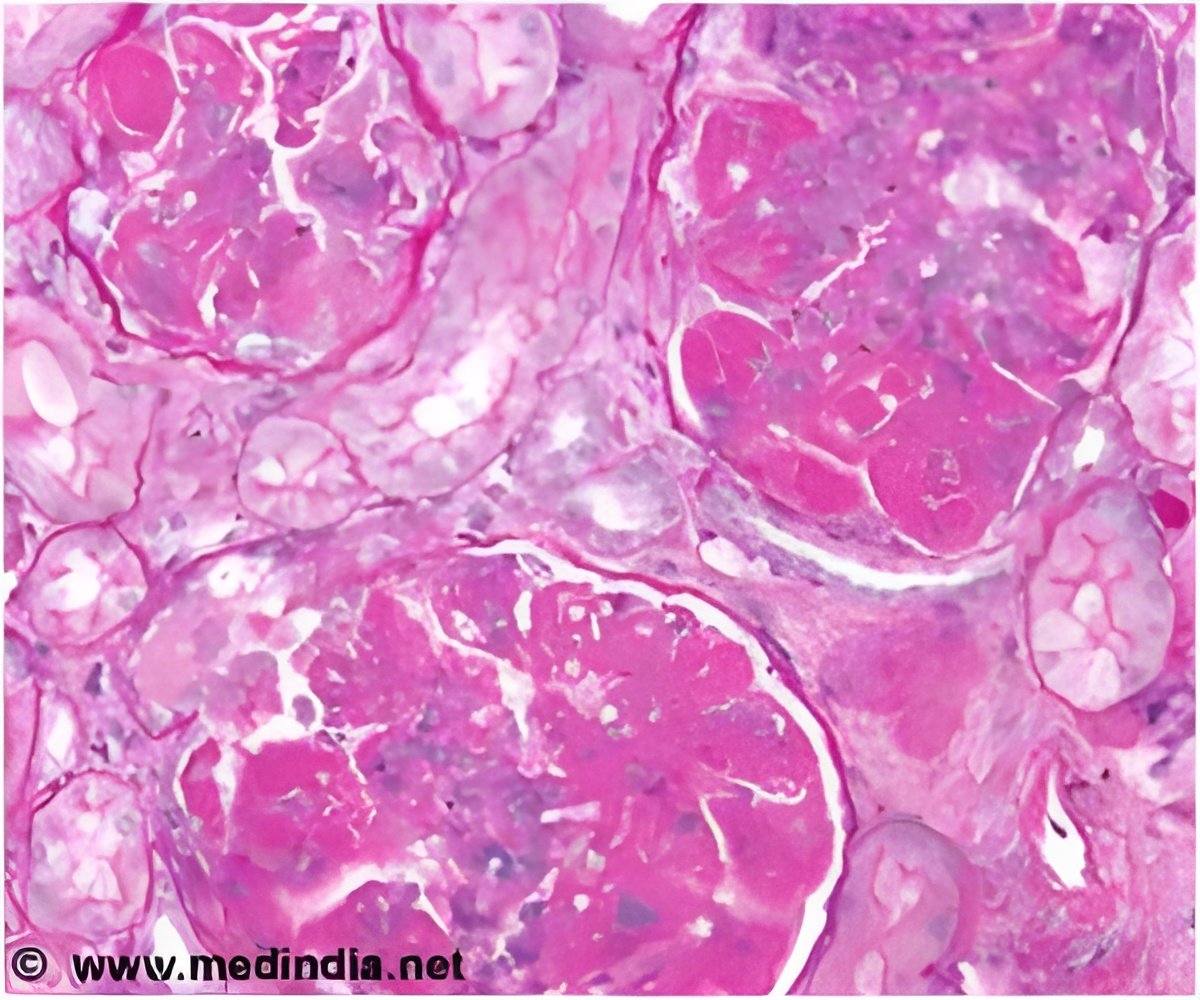
Guidelines for Management of Lupus Nephritis
Guidelines for the screening, treatment and management of lupus nephritis has been issued by The American College of Rheumatology (ACR).
Guidelines for the screening, treatment and management of lupus nephritis has been issued by The American College of Rheumatology (ACR).