- Pediatric hypertension-related hospitalizations in the United States nearly doubled, from 12,661 in 1997 to 24,602 in 2006.
- Charges for inpatient care for hypertensive children increased by 50 percent, reaching an estimated $3.1 billion. That does not include outpatient charges, a figure that remains unknown nationwide.
- The most significant increases in healthcare charges were for children with hypertension and end stage kidney disease.
- Average length of stay for children with hypertension was double that of children with other illnesses, eight days compared to four days.
 High Blood Pressure
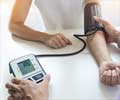
High blood pressure or hypertension is defined as a blood pressure of above 140 mm Hg (systolic) and or 90mm Hg (diastolic).
When hypertension was the primary diagnosis, convulsive disorder, headache, obesity and systemic lupus erythematosus were the most common secondary diagnoses.When high blood pressure was in any diagnoses, the most common primary diagnoses were lupus, complications of kidney transplant, pneumonia and acute proliferative glomerulonephritis, a condition in the kidney that causes inflammation that can result in hypertension. Physicians should address healthy lifestyle habits during children's well visits to reduce hypertension, Tran said.
"A child with high blood pressure is at increased risk for having high blood pressure in adulthood and the heart and stroke risks that come with that diagnosis," she said.Hypertension is present in 1 percent to 3 percent of children in the United States. Among children ages 2 to 19 years, 31.7 percent are overweight (23.6 million) and 16.9 percent are obese (12.6 million), according to American Heart Association statistics.

Fruits to Help Lower Blood Pressure / Foods that Help Lower Blood Pressure
Top reasons why you should eat fruits to lower blood pressure and reduce the risk of heart disease. Antioxidants in fruits keep your blood pressure under control.
Top reasons why you should eat fruits to lower blood pressure and reduce the risk of heart disease. Antioxidants in fruits keep your blood pressure under control.
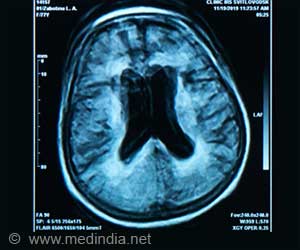
High Blood Pressure After Kidney Transplantation
Hypertension is almost ubiquitous in kidney transplant recipients. Hypertension negatively affects transplant and patient survival outcomes.
Hypertension is almost ubiquitous in kidney transplant recipients. Hypertension negatively affects transplant and patient survival outcomes.
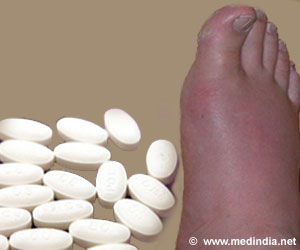
Antihypertensive Drugs and Risk of Incident Gout Among Patients With Hypertension
Hypertension is one of the most common comorbidities of gout. 74% of patients with gout have hypertension.
Hypertension is one of the most common comorbidities of gout. 74% of patients with gout have hypertension.