A Dutch study carried out recently aims to assess the effectiveness of stepped-care cognitive behaviour therapy and, compare it with the usual management in patients with varying tinnitus severity.
Tinnitus is one of the most disturbing and debilitating hearing-related problems. Here the patient perceives a distressing sound internally, even in the absence of an external source.
Tinnitus - Causes - Symptoms - Diagnose - Treatment - FAQs
Tinnitus is the perception of ringing, hissing, or other sound within the ears when no corresponding external sound is present.
Tinnitus is the perception of ringing, hissing, or other sound within the ears when no corresponding external sound is present.
There are two main methods of treatment for tinnitus. First, sound-based therapies, such as tinnitus retraining therapy, are used to mask tinnitus. This is meant to reduce the annoyance the patient experiences from tinnitus. This therapy is usually carried out in combination with structured counseling sessions. The second main approach is cognitive behaviour therapy (CBT), which is a form of psychotherapy aimed at modifying the patient’s way of thinking and dealing with a particular condition.
It is well known that CBT can reduce patient’s distress and enhance the quality of life. However, it has yet not been tested if the intensity of cognitive behaviour therapy could vary depending on the severity of tinnitus.
The present study was based on the belief that treatment must be provided depending on the needs of the patients with varying severity of tinnitus. A new multidisciplinary protocol for tinnitus treatment was proposed involving a stepped-care cognitive behaviour therapy combined with certain aspects of tinnitus retraining therapy.
A clinical trial was undertaken at the Adelante Department of Audiology and Communication (Hoensbroek, Netherlands).
Advertisement

Tinnitus Symptom Evaluation-Causes-Diagnosis-Treatment-Prevention-FAQs
Tinnitus is a ringing or a swishing noise that emanates from the ear or head. It is not a life-threatening condition and usually resolves with time.
Tinnitus is a ringing or a swishing noise that emanates from the ear or head. It is not a life-threatening condition and usually resolves with time.
Patients were randomly allocated in a 1:1 ratio by the use of a computer-generated allocation sequence. Depending on their tinnitis severity, they were stratified into four layers and each of these strata were grouped in block sizes of four to be treated either with a specialized care (comprising of cognitive behaviour therapy with sound-focused tinnitus retraining therapy) or the usual care.
Advertisement
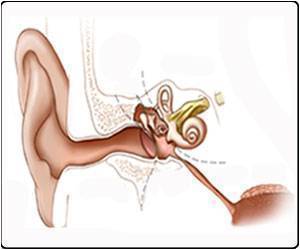
Rock Music at Concerts may Lead to Hearing Problems | MedIndia
A new study found that more than 72 percent of teens who went to a rock concert by a popular female singer experienced trouble with their hearing.
A new study found that more than 72 percent of teens who went to a rock concert by a popular female singer experienced trouble with their hearing.
The method of using a combination of theoretical models and treatment approaches, as was done in this study, was a new one for treating tinnitis patients. Treating tinnitus with retraining therapy-based approaches is only moderately effective. Cognitive behaviour therapy seems the most promising approach in treating tinnitis and in reducing tinnitis- related patient distress.
Stepped up management, combining the components of retraining therapy within the framework of cognitive behavior therapy while taking into account the severity of the complaint, appears to be the most effective in managing tinnitus.
Reference:
Specialised treatment based on cognitive behaviour therapy versus usual care for tinnitus: a randomised controlled trial; Rilana et al; The Lancet Volume 379, Issue 9830, Pages 1951 – 1959
Source-Medindia