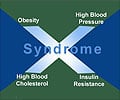
Metabolic syndrome is also known as metabolic syndrome X, cardiometabolic syndrome, insulin resistance syndrome, syndrome X, CHAOS (in Australia) and Reaven’s syndrome. It is a cluster of medical disorders that together increases the risk of developing diabetes and cardiovascular ailments. Generally, metabolic syndrome patients are overweight and hypertensive.
Presence of any three of the following traits in an individual increases his/her chances of developing metabolic syndrome.
Clinical Prediction of Mortality in COPD Improved by Inflammatory Biomarkers
A new study says that the prediction of mortality in patients with COPD can be improved by the addition of changes in inflammatory biomarkers to established clinical variables.
A new study says that the prediction of mortality in patients with COPD can be improved by the addition of changes in inflammatory biomarkers to established clinical variables.
2.Increase in serum triglycerides (150 mg/dl or above)
3.Presence of high blood pressure (130/85 mm of Hg or more)

Biomarkers, Modern Medicine`s New Tools
In the past few decades an outburst in the discovery of biomarkers for diagnosis, disease monitoring, and prognostic evaluation has been observed.
In the past few decades an outburst in the discovery of biomarkers for diagnosis, disease monitoring, and prognostic evaluation has been observed.
Dhayana Dallmeier et al conducted a community-based cross-sectional study that was published in the journal of Diabetology and Metabolic Syndrome 2012. The study aimed at investigating the association between metabolic syndrome and inflammatory biomarkers.
Advertisement

Prevalence of Metabolic Syndrome in Brazilian Adults
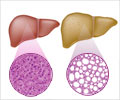
Metabolic syndrome is a conglomeration of factors that multiply your chances of developing a heart problem. Fatty liver, obesity, inactive lifestyle, etc are responsible factors for this syndrome.
Metabolic syndrome is a conglomeration of factors that multiply your chances of developing a heart problem. Fatty liver, obesity, inactive lifestyle, etc are responsible factors for this syndrome.
The study revealed the presence of metabolic syndrome in 984 participants and was found to be associated with each inflammatory biomarker except osteoprotegerin, thus proving that metabolic syndrome is associated with inflammation even in the absence of obesity. “After adjusting for its components, the metabolic syndrome was only associated with P-selectin.”
Advertisement

Cardiovascular Diseases’ and Type 2 Diabetes’ Biomarkers Identified
Thirty one regions of the genome that were related with levels of circulating metabolites have been identified by researchers.
Thirty one regions of the genome that were related with levels of circulating metabolites have been identified by researchers.
The researchers concluded, “Our results support the hypothesis that the relation between metabolic syndrome and inflammation is largely accounted for by its components.”
Though the findings of the study do not have any immediate clinical significance, further studies in this area could help to find out if measuring inflammatory mediators can predict the development of metabolic syndrome. This could help to institute preventive measures at the earliest.
Reference:
Metabolic Syndrome and Inflammatory Biomarkers: a community-based cross-sectional Study at the Framingham Heart Study; Dhayana Dallmeier et al; Diabetology and Metabolic Syndrome 2012
Source-Medindia